


Science Literacy Project Daily Digest
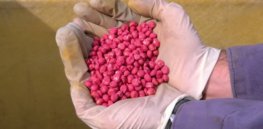
‘Severe blow’ to Irish agriculture: Regulators reject farmers’ request to use neonicotinoid insecticides
The failure to grant a derogation for the use of Redigo Deter seed dressing – which contains the neonicotinoid clothianidin ...

‘Sputnik 2.0’: China wants to lead the world in CRISPR research
China is seeing an explosion in CRISPR-based animal studies and embracing the gene-editing technology with unrivaled zest and zeal—so much ...

Believe it or not, Neanderthals were both athletic and artsy
They were sprinters. Previously believed to have been endurance runners, it is now thought Neanderthals favoured “more power sprint than ...

Battle over cancer warning label, glyphosate ban could complicate Roundup lawsuit settlement
Bayer AG is in mediation to potentially settle thousands of U.S. lawsuits claiming that the company’s Roundup weed killer causes ...

Off-patent GMO Bt corn could slash seed costs for farmers, boost crop yields
Extremely low-cost and high-yield Bt corn? Off-patent, generic Bt corn is rapidly approaching farmland and the price differential might cause ...

Experiencing self-awareness: How children discover who they are
[I remember] when I first became self-conscious, aware of myself as something weird, distinct from the rest of the world, ...

Viewpoint: Prenatal DNA intelligence predictors ignore environment’s role in IQ
When we examine the way DNA IQ predictors are generated, we see scientists grouping people with similar IQ test results ...

We’re inching closer to a new vaccine for Lyme disease. But will the public accept it?
As the threat of Lyme disease grows and fears surrounding it spread faster than the ticks that carry the infection, ...

Bacteria inoculate crops against salty soil, potentially bringing unworkable farmland back to life
[S]cientists have used bacteria found in the roots of salt-tolerant plants to successfully inoculate alfalfa plants against overly salty soil ...

Crops engineered to destroy infected cells could fight off deadly diseases
Hiding inside each plant cell, protein complexes encoded by disease resistance genes are like sleeping armies, waking up and activating ...
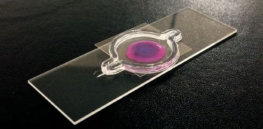
Infographic: ‘Why not print cancer?’ Here’s what we learn from building glioblastoma on a chip
If arranging cells in a particular formation was a good way to build cancer models that mimic what’s going on ...
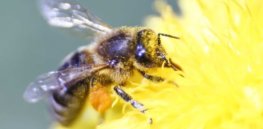
Gene-silencing biopesticide targets harmful insects without threatening pollinators
A natural, sustainable alternative to pesticides that targets specific pests, without harming beneficial pollinators such as honeybees, is being developed ...
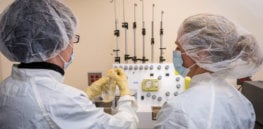
Powerful CAR-T duo uses artificial ‘claws’ to grab and destroy HIV
Lengtigen, a biotech company based in Gaithersburg, MD, teamed up with researchers at the Albert Einstein College of Medicine in ...
Non-GMO product demand surges while consumer biotech knowledge remains low, survey shows
The proportion of shoppers shunning genetically modified foods has tripled over the past decade, according to The Hartman Group, Bellevue, ...

1983 sex assault mystery solved by DNA testing
A Florida woman who woke up to a stranger sexually assaulting her 36 years ago may finally get justice after ...
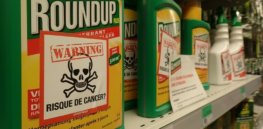
20 French mayors ban glyphosate, spurring new legal battle over Bayer’s controversial weed killer
Some 20 French mayors have banned glyphosate from their municipalities, defying the government, which is now taking legal action to ...

Electrical stimulation can ‘starve’ brain cancers, early study shows
Researchers have shown that electrical stimulation to the skull can starve brain cancers of vital nutrient-rich blood, opening the door ...

Answering key questions about CRISPR gene therapies
What is gene editing? Genome editing (also known as gene editing) is a group of technologies that provide scientists with ...

Viewpoint: Want to fight climate change? Embrace GMOs, don’t ban them
The fight against climate change has become one of the most widely discussed topics in the UK and globally. And ...

GMO crops cover 191 million hectares worldwide—113-fold increase since 1996
Biotechnology can be used to develop stress-tolerant and more nutritious crop varieties to protect natural resources and human health. Each ...

Have scientists discovered a new pain-processing organ under our skin?
It’s not common that researchers discover what could be an entirely new part of the human body. But a team ...
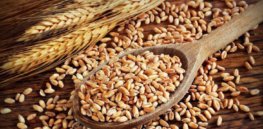
CRISPR-edited wheat resists humidity damage, could yield higher quality flour
Scientists have created a rain-resistant wheat variety using genome-editing technology, a breakthrough that could lead to the development of higher-quality ...

CRISPR ‘put to the test’ against inherited blindness, blood disease. Next up Duchenne muscular dystrophy, cystic fibrosis
Since its debut in 2012, CRISPR gene editing has held the promise of curing most of the over 6,000 known ...

A question of free will: How much of our behavior is determined by our genes?
Are our fates determined by the stars or by our actions? An age-old debate made no less contentious by reducing ...
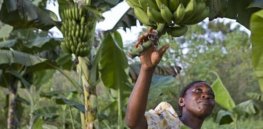
Smartphone app could help banana growers spot major diseases before they strike
This work is a step towards creating a satellite-powered, globally connected network to control disease and pest outbreaks ...

Dr. Harriet Hall: National Geographic natural foods book ‘unscientific, and even dangerous’
The National Geographic store proclaims, “This authoritative guide to the foods, herbs, spices, essential oils, and other natural substances that ...

Viewpoint: Elon Musk’s Neuralink dreams are a mix of reality and ‘science fiction’
So, how precisely is Neuralink pushing the envelope? ... A lot of Neuralink's vision may sound difficult to believe, but ...
