


Science Literacy Project Daily Digest

Fungus-resistant hazelnuts illustrate how genetic modification safeguards our food supply
Ordu is a picturesque city between the mountains and the Black Sea, where a quarter of the world’s hazelnuts grow ...

‘Only child’ no more: DNA test reveals woman has at least 29 brothers and sisters
For Shauna Harrison, her journey from only child to a sister with 29 siblings started with a revisit to her 23andme ...

Glyphosate trial: Text messages, emails reveal Monsanto’s ‘cozy’ relationship with EPA, plaintiffs’ lawyer argues
As the trial over the world’s most widely used herbicide and its connection to a California couple’s cancer stretches into ...

First 3D heart printed with human tissue could mark key step toward transplantable organs
Scientists in Israel unveiled a 3D print of a heart with human tissue and vessels on Monday [April 15, 2019], ...

High organic food consumption linked to ‘strong nutritional, environmental benefits,’ study claims
The aim of this study, based on observational data, was to compare some sustainability features of diets from consumers with ...

China’s lengthy GMO crop approval process cuts US agriculture profits $5 billion over five years
China’s approval process for biotech crops is beset by regulatory hurdles and delays that have cost U.S. companies billions of ...
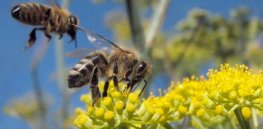
‘Bee safe’ pesticides that replaced neonicotinoids may harm pollinators, activist-funded study finds
New pesticides regarded as “bee safe” could actually be causing harm to these vital pollinators when combined with other chemicals ...

Virtual reality helps autistic children tackle phobias
One tool that is being embraced by therapists, counselors, teachers, parents and their children to help those with autism to better ...

How the evolution of our ability to run marathons ‘made us human’
Let’s call it the “running made us human” hypothesis: According to some scientists, distance running was key to our ancestors’ ...

Can light-activated CRISPR lead to new treatments for cancer, diabetes?
Engineers are making their mark on biotech’s hottest commodity. Chinese scientists [April 3] reported that they can control the gene editing tool CRISPR-Cas9 with ...
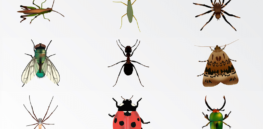
Are bugs disappearing? A science-based ‘insect apocalypse’ Q&A
Q. Dear Umbra, Insects are disappearing at an alarming rate. This terrifies me! What actions can I take to mitigate ...
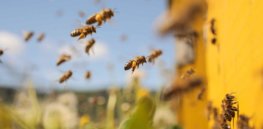
EU neonicotinoid insecticide ban spurs farmers to abandon canola crops, important resource for bees
When neonicotinoid seed treatments were first banned in flowering crops, control of cabbage stem flea beetle in oilseed rape [OSR] ...

Is one genetic mutation responsible for human endurance?
Studies suggest that a mutation caused humans to lose function of the CMAH gene two to three million years ago—around ...

Testing human intelligence by putting our brain genes in monkeys
Human intelligence is one of evolution’s most consequential inventions. It is the result of a sprint that started millions of ...

State officials urge EPA to permit additional restrictions on controversial herbicide dicamba
The nation's state pesticide regulators are fighting back after EPA's recent announcement that it is considering limiting states' ability to ...

Philippines cave yields mysterious new human ancestor: Homo luzonensis
Ancient bones and teeth found in Callao Cave in the Philippines have led to the discovery of a previously unknown ...

Treating OCD and other anxiety disorders with brief, intensive therapy
For nearly 20 years [Thomas] Ollendick has been testing briefer, more intensive forms of [cognitive-behavioral therapy] for childhood anxiety disorders ...

Facing 10,000 plus glyphosate-cancer lawsuits, Bayer enters court-ordered mediation with next plaintiff
Bayer said on [April 12] it would comply with a U.S. federal judge’s order to enter mediation with a plaintiff ...
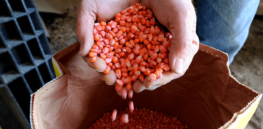
Canada codifies new neonicotinoid insecticide rules, allows key agricultural use to continue
Health Canada will restrict some uses of neonicotinoid pesticides because of their impact on honeybees and other pollinators, but the ...

Viewpoint: DNA data ‘rat race’ bringing down costs of precision medicine but perils of security risks escalate
It is said that this is the best of times for direct to consumer (DTC) genetic testing companies, human disease ...

‘Wildly popular’ and unproven probiotics may interfere with some treatments
Probiotics are wildly popular. After all, the microbial cocktails are available over the counter and have been shown to be ...

Viewpoint: Do pesticides boost autism risk? New report says ‘possibly’ but correlations are ‘weak’ and ‘misleading’
Recently a study titled “Prenatal and infant exposure to ambient pesticides and autism spectrum disorder in children: population based case-control study” ...

Restoring sense of smell with a brain implant
After a concussion left [Scott] Moorehead without a sense of smell six years ago, these losses were all he could ...

Viewpoint: Gene-edited kids are no riskier than the non-edited variety
"The introduction of genetic modifications into future generations could have permanent and possibly harmful effects on the species," a group ...

CRISPR gene editing yields world’s smallest tomatoes to feed astronauts
Scientists at the National University of Colombia have bred the smallest tomato in the world using DNA from a cherry ...

North Dakota fossil site may be ‘most sensational’ glimpse of final minutes of dinosaur reign
Sixty-six million years ago, an immense asteroid smacked into what is now the Yucatán Peninsula of Mexico, triggering global devastation ...

USDA: Vietnam’s glyphosate ban ‘devastating’ to global agricultural production
U.S. Secretary of Agriculture Sonny Perdue on [April 11] criticized Vietnam’s move to ban imports of glyphosate herbicide [Bayer's Roundup], ...
