


Science Literacy Project Daily Digest

Being poor ‘leaves a mark’ on 10 percent of your genes
The cycle of poverty isn’t just an economist’s tag slapped on repeat generations of poor, it is actually changing genetics ...

CRISPR could save banana, major food source for 500 million people, from deadly disease, climate change
CRISPR/Cas9‐based genome editing is offering new hope for protecting a critical food security crop by developing climate-smart banana varieties. Research ...

How the USDA could help foster a technological ‘revolution’ in agriculture
Anyone paying passing attention to the agricultural sector understands that it is in the middle of an “agtech” revolution. Innovations ...
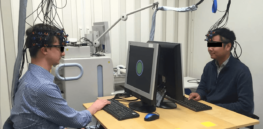
Brain sync studies could lead to better connections between patients and therapists
A growing cadre of neuroscientists is using sophisticated technology ... to capture what happens in one brain, two brains, or ...

Game of Thrones and DNA: How genetics could explain some of the unhinged behavior
The White Walkers are on the move (slowly) and political stability in Westeros remains on edge. How did things get ...

Plant-based GMO ‘Impossible’ Whopper a surprise hit at 59 Midwest Burger King locations
The St. Louis area, with 59 Burger King locations, has been chosen as the sole test market for the [plant-based] ...
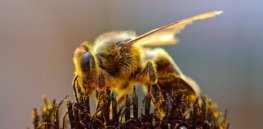
Some wild bee populations declining, but ‘scarce data’ hamper impact and research efforts
More than a dozen wild bee species critical to pollinating everything from blueberries to apples in New England are on ...

People may have lived in Australia for 120,000 years—twice as long as we thought
Extensive archaeological research in southern Victoria has again raised the prospect that people have lived in Australia for 120,000 years ...

Vietnam’s glyphosate ban: Beginning of a dangerous global trend?
Vietnam’s decision to ban farmers from using glyphosate is troubling in three ways: it appears to rely on decisions set ...

Forget batteries and wires. Can we build robots out of synthetic DNA?
It's long been a dream of many to build robots that look and act like humans. After all, there's a ...

CRISPR co-inventor Jennifer Doudna: Gene-edited foods could hit stores by 2024
While ethicists debate the applications of blockbuster gene-editing tool Crispr in human healthcare, an inventor of the tool believes it has ...

Why genetic testing for autism cannot offer definitive answers
Here’s a primer on how genetic tests work, their value for autism and what to expect from the results. Is ...

Infographic: Number of people with cancer has more than doubled since 1990
How many people in the world have cancer? Globally, it's estimated that 42 million people across the world suffered from ...

Viewpoint: GMOs are an overlooked but consequential solution to climate change
GMOs, or genetically modified organisms, are not only a lot less scary than pop culture would lead you to believe ...

Ketamine for depression—what we know about how it changes the brain
The FDA's approval [of ketamine for depression] marks the first genuinely new type of psychiatric drug—for any condition—to be brought ...

Naturally mutating corn pollen genes may lead the way to higher-yielding crops
Pollen genes mutate naturally in only some strains of corn, according to Rutgers-led research that helps explain the genetic instability ...

Prenatal sequencing for autism genes could be here soon—along with some ethical questions
Sequencing can identify mutations linked to autism even before a child’s birth – especially in cases where doctors suspect problems, ...

Microbial biofertilizer could boost sustainable farming as food demand booms
Agriculture is facing tough challenges in the years ahead, including a rising world population and arable land and water becoming ...

US researcher: ‘3-parent’ embryos ready to implant if Congress lifts ban on controversial treatment
Researchers at Columbia University in New York have created embryos containing genetic material from three people and are ready to ...
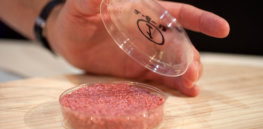
Lab-grown meat startups see profitable future in Canada
Canadian companies plan to serve up chicken, beef burgers and mouse-meat cat treats in the coming years, all without the ...

Drought, neonicotinoid insecticide ban cut EU’s canola yields 18 percent, USDA reports
The European Union is picking a good time to produce its second straight subpar rapeseed crop. The United States Department ...

Heavy drinking, alcoholism are ‘not the same thing’, genetic study shows
A huge analysis of drinking patterns among veterans has found genetic distinctions between heavy drinkers and alcoholics, according to a ...

Food companies pursue ‘glyphosate free’ certification as Roundup-cancer legal battle rages
Companies are increasingly enrolling in a voluntary certification program that provides glyphosate-free labels for their products, as consumers grow more wary of ...

Human brains have been shrinking since the Stone Age. We don’t know why
It’s something of a well-known secret among anthropologists: Based on measurements of skulls, the average brain volume of Homo sapiens ...
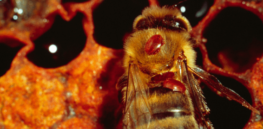
New model uncovers possible mechanism behind Varroa mite’s assault on honey bees
The association between the deformed wing virus and the parasitic mite Varroa destructor has been identified as a major cause of worldwide ...

Do our genes determine which faces are ‘prettier’ than others?
Despite the importance humans and society appear to place on beauty, from a scientific perspective, we don't actually know a ...

First lab-grown burger may cost $50 at anticipated 2020 restaurant debut
On April 15, Bruce Friedrich ascended a stage in Vancouver, Canada to give a TED Talk to a packed room ...
