


Science Literacy Project Daily Digest

Does the ‘Nordic diet’ reduce stroke risk? Maybe, maybe not
Study gives teeth to claims that the Nordic diet--which limits foods to what people in Denmark, Sweden and other northern ...

Dicamba fiasco: Are Monsanto’s labels too restrictive and confusing for farmers?
Dicamba, sold under different brand names by BASF and DuPont, can vaporize under certain conditions and the wind can blow ...

Male sterility may be correctable through stem cell treatments, if mice studies lead to human cure
A common genetic cause of male infertility has been overcome in mice using a technique that creates healthy sperm in ...

Why don’t two people with the same illness suffer equally? It’s genetic
Ever wonder why your friend, co-worker, or partner doesn’t get as sick as you, even though they caught the same ...

Newly elected government poised to open door to GMOs in Kenya
Food security played a major role during the presidential campaign. The price of unga—our staple food of maize meal—had risen ...

Will Britain fumble regulations on human and agricultural gene editing as it has on GMOs?
Britain has an opportunity to seize on the latest breakthroughs in gene editing and pioneer new approaches in agriculture, research ...

Yoga may be good for your mind, body–but what about your genes?
Research suggests that yoga, and similar mindfullness-focused activities, may foster genetic changes that help people cope with stress and avoid ...

Can ‘carbon farming’ sustainably reduce greenhouse gas emissions?
From the perspective of global climate change, soils are a major compartment within the planetary carbon cycle, the second-largest pool ...

Why trace pesticides found on food are not dangerous
There is no link between pesticide residues on food and disease. Period. You will find lots of people claiming the ...

Wine grapes case study: How modern crop management has led to dramatic reductions in pesticide use
[Editor's note: Steve Savage is a plant pathologist who has been working in agricultural technology for over 35 years.] Grapes grown ...

Lesson for gene editing: How do we regulate a technology when we ‘can’t imagine’ the consequences of its use?
Humanity has a method for trying to prevent new technologies from getting out of hand: explore the possible negative consequences, ...

Conservation biology, ideology and the dangers of censorship
If conservation science is in service to an agenda, then it seems inevitable that research would at times be viewed ...
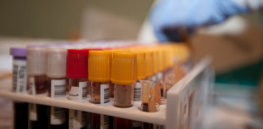
Cancer early warning system: Blood test looks for bits of DNA shed from tumors
In a bid to detect cancers early and in a noninvasive way, scientists at the Johns Hopkins Kimmel Cancer Center ...

Mysterious ‘jumping genes’ responsible for spontaneous diseases at birth
Nearly half [of our genes are] made up of jumping genes, which are also called mobile DNA or mobile genetic ...

‘Genome cloaking’ could protect genetic privacy in medical tests
It is now possible to scour complete human genomes for the presence of disease-associated genes without revealing any genetic information ...

‘Futuristic star’: The scientist growing transplantable human organs in pigs
Juan Carlos Izpisua Belmonte had spent years probing the inner workings of embryos, ferreting out the genes that give a ...

Viewpoint: Netflix promotes anti-GMO films, suppresses legitimate science
Netflix has declined to carry the agriculture documentary called "Food Evolution", for reasons they refused to specify. ... Is the ...
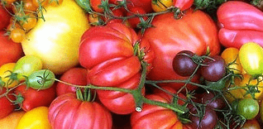
Genetic reason why tomatoes come in such a variety of sizes
The gradual increase in size of tomatoes is in part the result of breeders, ancient and modern, continually selecting and ...

If gene editing had been approved, my brother would never have been born
[Editor's note: Joel Reynolds is a postdoctoral fellow in bioethics at the Hastings Center..] For the first time in the ...

Use of embryo selection in China is soaring: Is that a good thing?
Early experiments are beginning to show how genome-editing technologies such as CRISPR might one day fix disease-causing mutations before embryos are implanted ...

Do genetic tests inspire healthier habits? Evidence says ‘no’
If you learned your DNA made you more susceptible to getting a disease, wouldn't you work to stay healthy? You'd ...

Mutation identified that contributes to Lou Gehrig’s disease and possibly Alzheimer’s
A team led by scientists at St. Jude Children's Research Hospital and Mayo Clinic has identified a basic biological mechanism ...

Bodybuilder’s death offers warning about genetics and rising use of protein supplements
The death of an Australian bodybuilder with a rare genetic disorder should serve as a cautionary tale for those who ...

Borat is proud: Kazakhstan identified as home of the modern apple
Researchers, including those at Boyce Thompson Institute (BTI) in the US, sequenced and compared the genomes of 117 diverse apple ...

At epicenter of GMO salmon debate, Prince Edward Island divided about need for labelling
Earlier this month, a public consultation session on food affordability, accessibility, safety and conservation in Charlottetown heard perspectives on GMO ...

GMO clover that could improve livestock digestion in field tests
Forage Genetics, which is best known for alfalfa that’s genetically modified to withstand glyphosate herbicides, began field testing the transgenic ...

10 unique GMO products and benefits, and more on the way
[Editor's note: Carol Lynn Curchoe is a scientist, teacher, consultant, advisor, and author.] [GMOs] have been used to benefit human ...
