


Science Literacy Project Daily Digest

Epigenetics Around the Web: No, Dr. Sarah Gottfried, we can’t control genes with lifestyle tweaks, and more
This week’s features: An MD is pushing pseudoscience to sell her new book and a word of caution about epigenetics ...

Uganda’s president supports bill allowing country’s farmers to grow GMO crops
The pressure to pass the Biotechnology and Biosafety Bill 2012 has started building up in recent weeks after some parts ...

Why do some people have great memories? It’s in the genes
Researchers have identified more than 100 genes important for memory in people. The study is the first to identify correlations ...

Why cells are like computers—And how ‘hacking’ them could lead to new diagnostic tools
Cells are basically tiny computers: They send and receive inputs and output accordingly. If you chug a Frappuccino, your blood sugar ...

Nobel laureate biochemist Sir John Roberts calls anti-GMO activism a ‘crime against humanity’
Though developed countries stand against genetically modified organisms (GMOs) for specific political and economic reasons, it is an effective tool ...

Video: Facts, fears and future of GMOs—in a nutshell
GMOs are one of the most controversial areas of science. Genetic engineering is used in many fields, but even though ...

Life returned ‘surprisingly quickly’ after dinosaur-killing asteroid strike
Life came back surprisingly quickly to the site of the impact that killed the dinosaurs, new research found. When a ...

Opposition to Dow-DuPont merger emerges among major farmer group
[Editor's note: The National Farmer's Union is the second largest general farm organization in the country. It represents more than 200,000 ...

Anti-aging pill? Scientists study drug’s ability to rejuvenate older immune cells
Can a pill make you younger? One of the few drug studies ever carried out in an attempt to address ...

Oregon considers new restrictions, labels for neonicotinoid insecticides over bee health concerns
Neonicotinoid pesticides, which critics blame for death and illness among pollinators, would be subject to new restrictions and labeling rules ...

Donor blood shortage solved? Scientists can now mass produce artificial blood
Every two seconds, someone in the U.S. needs blood, and every year, 4.5 million Americans would die without life-saving blood ...

How we can preserve biodiversity while maintaining agricultural yields, meet nutritional demands
[Editor's note: Claire Kremen is a professor of conservation biology at University of California, Berkeley, where she also co-directs the Center for Diversified ...

‘High quality diet’ likely source of primate brain growth — not social nature, study finds
In the past two million years, humans have experienced a massive increase in brain size, one not seen in any ...

Former UN head Kofi Annan: Science must play role in advancing agriculture, particularly in Africa
“Science and technology should play a role in raising agriculture productivity, particularly in Sub-Saharan Africa,” said [former secretary general of ...

How one surgeon harnesses the regenerative power of pig guts to save fingers, limbs
Bioengineers have made great strides harnessing the body’s ability to start over...[still] much of regenerative medicine’s promise remains inside the ...

Brain, ovarian cancers linked to new gene mutations in two studies
Genetic changes and variants linked to the development of brain and ovarian cancers have been discovered in two new studies ...

Plant probiotics: Genetic switch in plants could trigger soil bacteria to increase crop yields
Scientists at the University of North Carolina at Chapel Hill have pinpointed a key genetic switch that helps soil bacteria ...

Video: Genetic modification isn’t as ‘unnatural’ as you think
[Editor's note: Jenna Gallegos is a plant biotechnology PhD student at the University of California - Davis and a member ...

Sequencing entire genome of any species just cracked the $10,000 barrier
In 2003, the US Department of Defense and the National Institutes of Health announced that—13 years and $2.7 billion later—they ...

Born killer or normal mind? Genes, brain scans and mental health
What's a normal mind? Do brain scans provide any insight? The answer is stranger than you think ...

Macular degeneration treated by stem cells donated by another person
On 28 March, a Japanese man in his 60s became the first person to receive cells derived from induced pluripotent ...
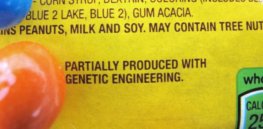
Non-GMO movement plagued by ‘rampant sexism’, critic says
It’s no secret that [moms are] among the most coveted demographics of the non-GMO marketing machine. Jeffrey Smith, one of ...

Australian commission calls for state governments to lift GM crop bans
The Productivity Commission has released a range of sweeping recommendations to cut the costs of regulation in agriculture. ... It ...
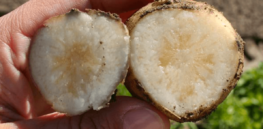
Potato pest developing resistance to neonicotinoid insecticides
The potato industry may be losing a mainstay in the battle against [the plant-feeding insect] psyllids, according to a recent ...

Will humans need a unique set of ethics for deep-space exploration and colonizing other planets?
[Editor's note: Andrew Papanikitas, Director of the UK's Society of Apothercaries Course in Ethics and Philosophy of Healthcare, discusses ethical ...

4 human genetics organizations that put ideology ahead of science
There are legitimate concerns about the rapid pace of genetics research. But some of the most well known groups seen ...

GMO plant emerges as drug incubator to fight malaria
Scientists have discovered a gene that allows to double the production of artemisinin in the Artemisia annua plant. The artemisinin-based ...
