


Talking Biotech
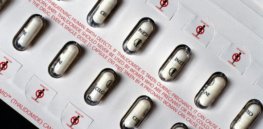
Talking Biotech: Thalidomide once caused birth defects—now it treats cancer
The sleep medication thalidomide caused thousands of birth defects in the 1960s. But experts say it's also a powerful cancer ...

Talking Biotech: There’s a worldwide vanilla shortage. Can science save our favorite food flavoring?
Vanilla is the world's favorite food flavoring—but there's not enough to go around. Thankfully, scientists are developing new ways to ...

Talking Biotech: Using psychology to disarm anti-GMO activists
Activists use fear to spread doubt about GMO safety. How can scientists counter this powerful debate tactic? ...

Talking Biotech: 30-year study confirms environmental benefits of glyphosate use
Anti-GMO activists continue to warn about the dangers of glyphosate, but 30 years of data show the controversial herbicide is ...

Talking Biotech: The Kevin Folta—Biofortified controversy: When transparency and confidentiality conflict
Transparency helps scientists earn public trust. But what happens when their research requires confidentiality? Kevin Folta and Paul Vincelli tackle ...
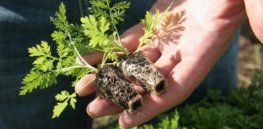
Talking Biotech: Artemisinin—the malaria treatment that could help prevent 400,000 deaths a year
University of York's Dr. Ian Graham joins Kevin Folta to discuss how the plant-derived compound artemesia could help beat back ...
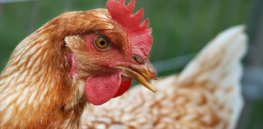
Talking Biotech: Chicken is the most widely grown animal in the world, but where did this popular bird come from?
Chicken is essential to modern agriculture, but where did it come from? Oxford University's Dr. Greger Larson explores this popular ...

Talking Biotech: Winning the disease resistance ‘arms race’ against plant pathogens to ensure food security
The disease resistance arms race between plants and pathogens continues. But scientists have entered this war on the side of ...

Talking Biotech: Probing the psychology of consumers who fear GMOs
Why do consumers fear technologies that have generated an abundant food supply? Economist Dr. David Just explains how emotion influences ...
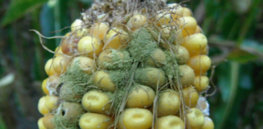
Talking Biotech: How scientists outsmart cancer-causing fungi that threaten our food supply
Alfatoxins are a significant threat to human health and world food security. They are naturally-occurring toxic compounds produced by the ...

Talking Biotech: The story of a vitamin-infused sweet potato that helped cut Africa’s infant mortality 25 percent
The 2016 World Food Prize went to a group that coordinated the breeding, promotion and distribution of the orange-fleshed sweet ...
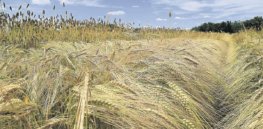
Talking Biotech: How barley gave us pregnancy tests, beer and helped launch an agricultural revolution
Dr. Sheila Adimargono joins Kevin Folta on this week's podcast to discuss barley's role in plant domestication and the development ...

Talking Biotech: Disturbing new details on Putin’s anti-GMO propaganda campaign designed to sow political discord in the U.S.
An examination by social scientists revealed "surprising evidence" of a Russian campaign aimed at discrediting GMOs and influencing public opinion ...

Talking Biotech: Mark Lynas’ evolution from anti-GMO activist to GMO advocate
Writer Mark Lynas discusses his life as an anti-GMO activist, why he changed his mind, and his new book Seeds ...

Talking Biotech: Why Irish scientist Rosalind Franklin didn’t get the credit she deserved for the discovery of the structure of DNA
Geneticist Mark Lawler: Despite being instrumental in the discovery of DNA’s double-helical structure, Rosalind Franklin died at the age of ...

Talking Biotech: Mexico’s complicated relationship with GMO corn
Mexico is the center of origin for maize, and there is a substantial interest in protecting the genetic integrity of ...
Talking Biotech: Is modern wheat breeding to blame for celiac disease and gluten sensitivity?
Food scientist Senay Simsek: Gluten sensitivity is not caused by the genetic improvement of wheat varieties ...

Talking Biotech: From non-GMO to organic, has food labeling gone too far?
Elanco's Colleen Parr Dekker: Product differentiation and marketing—not transparency and education—are why food companies adopt trendy labels ...

Talking Biotech: Can genetically engineered cassava help African farmers?
Plant scientist Devang Mehta: African farmers lose 24% of their cassava crop each year on average due to the mosaic ...
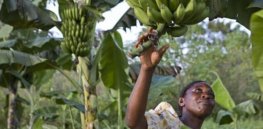
Talking Biotech: What’s keeping disease-resistant GMO bananas from Ugandan farmers?
Ugandan researcher Nassib Mugwanya: GMO bananas are the best tool we have to save bananas from bacterial wilt, but Uganda's ...
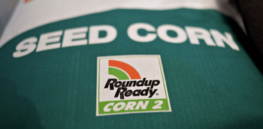
Talking Biotech: Roundup Ready GMO crops made weed management ‘easy’—an agronomist’s view
Kentucky agronomist Chad Lee: Farmers choose herbicide-tolerant GMO crops because they simplify effective weed management and enable no-till farming ...

Talking Biotech: Non-agricultural debt—not GMOs—to blame for Indian farmer suicides
Environmental scientist Vaishnavi Tripuraneni: Marriage loans and health care—not seed costs—are the main drivers of debt for smallholder farmers in ...

Talking Biotech: Can biofortified GMO soybeans help tackle vitamin A deficiency?
Plant scientist Monica Schmidt: By modifying only one gene, a new variety of soybeans has higher levels of beta-carotene than ...
Talking Biotech: Using plants as ‘biofactories’ for vaccines, biofuels and more
Plant biologist Beth Hood: Scientists are genetically modifying plants to produce ingredients for a variety of important industrial and therapeutic ...
Talking Biotech: How rice became one of the world’s most important food crops
Rice geneticist Susan McCouch: How and where rice was domesticated, and how many varieties are there? ...

Talking Biotech: How do we decide whether to use gene drives?
Science and technology scholar Jennifer Kuzma: The social and political considerations of using gene drives to combat human diseases, weeds, ...

Talking Biotech: The powerful potential—and risks—of CRISPR engineered ‘gene drives’
Evolutionary biologist Fred Gould: 'Gene drives' can be found in nature. Now, scientists want to engineer them to decrease populations ...
