


Talking Biotech
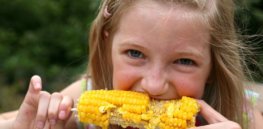
Talking Biotech: The genetic factors that makes sweet corn sweet
Geneticist Curt Hannah: Sweet corn was specifically discovered and selected because of its sweetness. But how does a kernel of ...
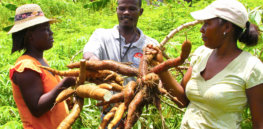
Talking Biotech: How USAID uses GMO crops to improve food security around the world
USAID science advisor Angela Records: Disease-resistant GMO cassava, bananas show promise in improving food security in developing countries ...
Talking Biotech: ‘Farm Babe’ Michelle Miller takes on critics of GMOs, modern farming
Writer Michelle Miller: The 'Food Babe' is critical of those who marginalize farmers and farming, and a powerful voice for ...
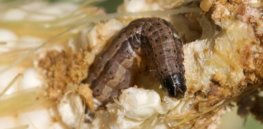
Talking Biotech: Can Oxitec’s genetically engineered insects combat fall armyworm crop damage and famine in Africa?
Oxitec's Simon Warner: Engineered male fall armyworms contain a gene that prevents female offspring from reaching adulthood, reducing wild pest ...

Talking Biotech: Should milk, meat and eggs from animals fed GMO crops be labeled?
Geneticist Alison Van Eenennaam: Data shows that products from animals fed genetically engineered crops are no different than those fed ...

Talking Biotech: Know Ideas Media gives scientists platform to discuss future of food and farming
Canadian filmmaker Nick Saik is taking the 100+ hours of footage he recorded for his Know GMO documentary and turning ...
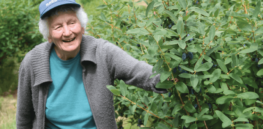
Talking Biotech: 91-year-old geneticist Maxine Thompson aims to expand fruit diversity with new berry breeds
Oregon State fruit breeder Maxine Thompson: A trailblazer in plant science, now retired from academia, she continues to work on ...
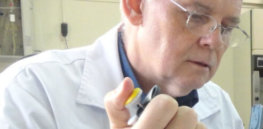
Talking Biotech: Bayer geneticist Ray Shillito on communicating with the public about agricultural biotechnology, and more
Bayer plant scientist Ray Shillito: Educating the next generation of scientists about how to communicate with the public will help ...

Talking Biotech’s best biotechnology science stories from 2017—and what to expect in 2018
Talking Biotech hosts Kevin Folta and Paul Vincelli talk about their favorite stories from 2017, and what to look for ...

Talking Biotech: How genetic engineering can reduce cancer-causing contaminants in peanuts
Plant pathologist Dilip Shah: GMO peanuts could help eliminate a potent threat to human health in the developing world ...

Talking Biotech: Science Moms documentary explores how parents can navigate GMO and food disinformation on the web
Filmmaker Natalie Newell: Despite the film being funded entirely by an online crowdfunding campaign, the Science Moms have been attacked ...

Talking Biotech: How will dicamba herbicide-resistant GMO crops fare after contamination fiasco?
Agronomist Karen Corrigan: Companies, farmers, and weed scientists should focus more on solutions to dicamba drift issues and less on ...
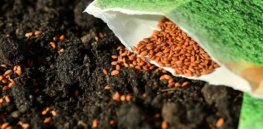
Talking Biotech: How will agricultural-biotech seed company mergers impact farmers and sustainability?
French researcher Sylvie Bonny: Some worry that corporate consolidation will raise seed prices and hurt farmers, while others believe mergers ...

Talking Biotech: Pet dogs with genetic diseases testing ground for gene therapy
Journalist Emily Mullin: Gene therapies becoming more promising but restricted in humans because of safety concerns, prompting some researchers to ...
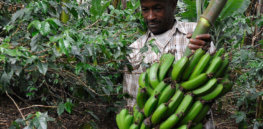
Talking Biotech: Soil-worm resistant GMO crops in Africa hindered by politics, public fears
IITA scientists: GMOs could help fend off nematode crop pests in Africa, but educating policymakers and public about the benefits ...

Talking Biotech: TALEN gene editing to make more nutritious food crops
Calyxt's Dan Voytas: Using TALEN gene editing to create soybeans with healthier oil, high fiber wheat and canola with lower ...
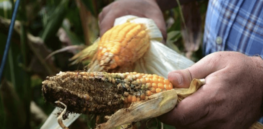
Talking Biotech: A former skeptic’s struggle to bring GMO crops to Bolivia
Educator Cecilia Gonzalez: Bolivia has had to import GMO corn from Argentina due to crop failures. Insect-resistant Bt crops could ...
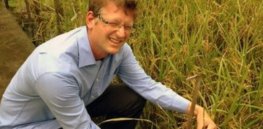
Talking Biotech: Former anti-GMO activist Mark Lynas on how resistance to crop biotechnology hurts small African farms
Mark Lynas, Cornell Alliance for Science: "Moral injustice" of NGOs preventing Africans from adopting GMO crops driven by "green ideology" ...
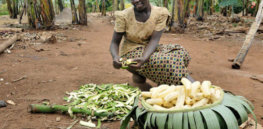
Talking Biotech: Uganda farmer-scientist on benefits of GMO disease resistant bananas
Kevin Folta in Uganda interviews scientists and farmers about bananas resistant to crop disease and the likelihood of commercialization ...
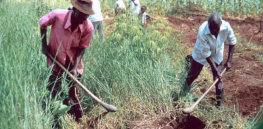
Talking Biotech: How Africa can move beyond subsistence farming
World Food Program's Bret Rierson: Inexpensive storage options could dramatically help developing world farmers manage, store and sell surplus crops, ...

Talking Biotech: Can we fight herbicide-resistant weeds with non-GMO RNAi technology?
Monsanto biochemist Doug Sammons: RNAi technology increases weed sensitivity to targeted herbicides. This could counter the growing problem of glyphosate-resistant ...

Talking Biotech: Is genetic engineering the best way to resuscitate the American chestnut from blight?
Plant biologist Jared Westbrook: 4 billion American chestnut trees have died because of blight in the 20th century. Now, there ...
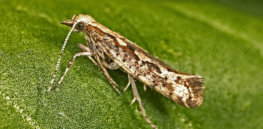
Talking Biotech: Using GMO insects instead of pesticides to fight diamondback moth, other crop-killing pests
Cornell entomologist Tony Shelton: Using GMO insects to control diamondback moths—a global pest that quickly evolves resistance to insecticides ...

Talking Biotech: Kevin Folta on fruit breeding—and being the target of anti-GMO activists
University of Florida's Kevin Folta on fruit breeding and defending modern agriculture--and himself--against anti-technology activists ...

Viewpoint: Activists push glyphosate cancer scare as proxy to limit use of genetically engineered crops
Monsanto pediatrician and toxicologist Dan Goldstein: As the glyphosate-cancer debate has grown louder, it's become less scientific ...

Podcast: How agriculture spurred the domestication of wild cats
Geneticist Eva-Maria Geigl: Early grain farms attracted rodents—and wild cats that were social enough to hunt them near human settlements ...

Podcast: Global ag biotech snapshot: Is GMO adoption on the decline?
UK researcher Graham Brooke on the rising economic and regulatory costs of crop biortechnology--Is it worth it? ...
