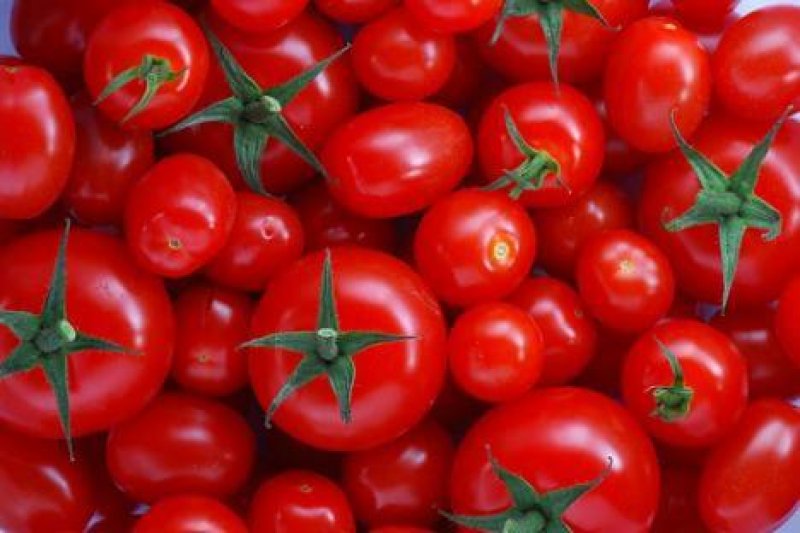
 A new discovery from partners at UC Davis and Cornell University reveals that the same genes that account for the rich, red color in modern day supermarket tomatoes, is also responsible for the bland flavor. Researchers at UC Davis, led by Dr. Ann Powell, may be able to aid the tomato industry by making the fresh, robust flavor and the desirable color available, all-in-one.
This discovery comes soon after over 300 scientists successfully mapped the genome of the tomato, in June 2012. This discovery no doubt has the potential to increase the taste of tomatoes, and help decipher ways to genetically modify the fruit.
For the last 70 years, tomato farmers have been selecting tomatoes for the uniform color, unaware that this appearance also accounts for a lack of flavor. Researchers involved in the project are now to re-engineer these tomatoes, to make them taste more like heirlooms. To accomplish this, scientists are adding GLK2 gene to bland tomatoes, which is the gene responsible for harvesting energy from sunlight in plant leaves, adding sugar and other important flavors.
Adding the GLK2 genes to tomatoes resulted in a dark green top, before the tomatoes fully ripened. Even after the tomatoes were ripe, they still had several lighter splotches at their tops. Usually this might divert consumers away, as we usually pick for uniform color. Now those splotches may guarantee the most flavor.
After the gene was added to tomatoes, sugar levels were 40% higher. Carotenoids, which also significantly contribute to flavor, were over 20% higher.

Dr. Ann Powell emphazised that while sugars contribute to tomatoes tasting better, it won’t solve the problem of overall flavor. “There are a lot of factors that contribute to making a tomato taste good,” she said. “This won’t solve the problems of why supermarket tomatoes taste the way they do, and taste is also subjective.”
Powell added,” But this discovery may go a long way to giving consumers more choices at the cash register.”
Additional Resources:
- Genome mapping: Tomatoes, Greener Ideal
- How the taste of tomatoes went bad (and kept on going), North Country Public Radio