Using genetics to predict succeptibility to depression

Depression e
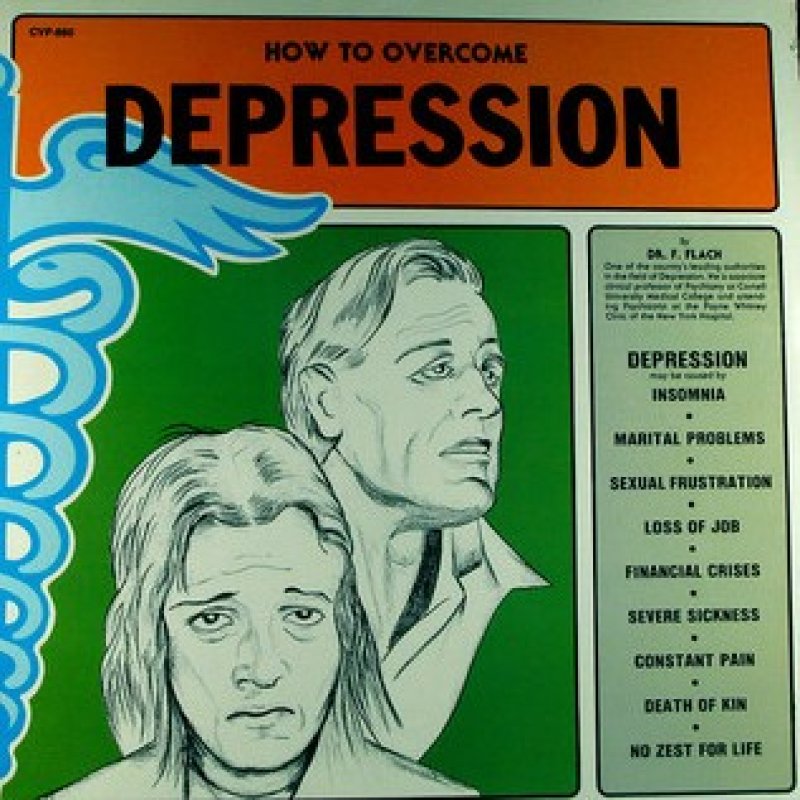
Depression poster. (Credit: Kevin Dooley, Flickr.)

The current state of genetic testing for major depression falls squarely into entertainment and education territory, with more to offer as a curiosity to those who can afford access than as a diagnostic or preventative tool. In this way, it’s similar to 23andMe, and emblematic of the hopes that have been pinned to the results of Genome-wide Assocation Studies (GWASs), which look for associations between traits (like disease) and small changes in DNA.

The following is an excerpt:

The possibility of harnessing genetic science to head off major depressive disorder, the world’s leading cause of disability, is getting closer. But molecular intervention for this common multifactorial disease is fraught with controversy while the science matures.

Promising but difficult-to-replicate results of genetic studies have triggered a proliferation of start-up private laboratories marketing genetic “susceptibility” tests on the internet, direct to consumers. Many of these products lack a robust scientific basis and the results are complex to interpret, even for experts.

View the original article here: Predicting the risk of depressive disorder: promises and pitfalls

Related Resources:

{{ reviewsTotal }}{{ options.labels.singularReviewCountLabel }}
{{ reviewsTotal }}{{ options.labels.pluralReviewCountLabel }}
{{ options.labels.newReviewButton }}
{{ userData.canReview.message }}

Related Articles

Infographic: Global regulatory and health research agencies on whether glyphosate causes cancer

Infographic: Global regulatory and health research agencies on whether glyphosate causes cancer

Does glyphosate—the world's most heavily-used herbicide—pose serious harm to humans? Is it carcinogenic? Those issues are of both legal and ...

Most Popular

ChatGPT Image Jun 3, 2026, 03_14_43 PM
Viewpoint: How Earthjustice became the poster child for the abuse of special interest activist funding
ChatGPT Image Jun 3, 2026, 03_54_37 PM
Viewpoint: “Turn on, tune in, drop out”—Kennedy embraces the Timothy Leary psychedelic revolution
ChatGPT-Image-Jun-11-2026-01_15_03-PM
Selective Pressure, Selective Silence
Screenshot-2026-06-05-at-2.12.30-PM
Some plants can poison you. So how did humans figure out what is safe to eat?
Screenshot-2026-06-03-at-1.24.46-PM
Challenging anti-GMO disinformation: Why genetically-tweaked crops offer bushels of benefits
ChatGPT Image May 28, 2026, 08_16_38 PM
Viewpoint: Why the EPA mismeasures cancer risk of chemicals and what should be done to fix it
Screenshot 2026-05-26 at 10.15
Viewpoint: Double standard—Why does the wellness industry get a free pass while Big Healthcare is treated as morally suspect?
ChatGPT Image Jun 1, 2026, 11_39_17 AM
Viewpoint: When food myths go viral, farmers pay the price
ChatGPT Image May 26, 2026, 08_42_17 AM (1)
Viewpoint: Greenpeace and poison: How environmental advocacy groups rely on compliant (and often ignorant) journalists to spread disinformation and spark litigation

Sorry. No data so far.

glp menu logo outlined

Get news on human & agricultural genetics and biotechnology delivered to your inbox.