Genome studies reveal roots of TB drug resistance

Nature TB
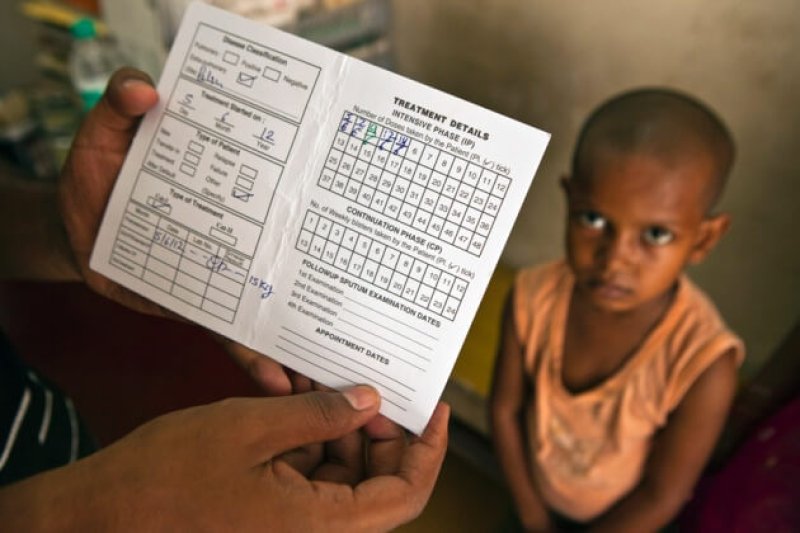
Image via Nature. Credit: Andrew Aitchison/IN Pictures/Corbis

It is never a good time to come down with tuberculosis, but in recent years the outlook has become worse.ย Resistant strains of tuberculosisย are on the rise.

Now, two teams of scientists have published large catalogues of the mutations that confer resistance onย M. tuberculosisย after sequencing the complete genomes of hundreds of samples. Their studiesย greatly increase our understanding of the ways in which this long-term nemesis evades our most potent drugs. Additionally, physicians can use theย more complete list of resistance mutations to avoid giving patients drugs that will not help them, while quickly prescribing more appropriate treatments.

Read the full, original story here:ย Genomes reveal roots of TB drug resistance

Additional Resources:

  • TB genomes yield insights on drug resistance,” SciDev.Net
    This article includes the results of an additional study, not published in Nature Genetics (and not included in their article). This study, by researchers at the Center for Public Health Research in Valencia, Spain, “looks at how the bacterium accompanied ancient human migration out of Africa and multiplied with increases in human population densities.”
  • How TB evolves to get the better of humans,” Medical News Today
    Another recent study, conducted byย researchersย at Stanford University and published in PLoS, describedย how the tuberculosis bacterium uses natural selection to adapt and perfect itself.

{{ reviewsTotal }}{{ options.labels.singularReviewCountLabel }}
{{ reviewsTotal }}{{ options.labels.pluralReviewCountLabel }}
{{ options.labels.newReviewButton }}
{{ userData.canReview.message }}

Related Articles

Infographic: Global regulatory and health research agencies on whether glyphosate causes cancer

Infographic: Global regulatory and health research agencies on whether glyphosate causes cancer

Does glyphosateโ€”the world's most heavily-used herbicideโ€”pose serious harm to humans? Is it carcinogenic? Those issues are of both legal and ...

Most Popular

ChatGPT Image May 26, 2026, 08_42_17 AM (1)
Viewpoint: Greenpeace and poison: How environmental advocacy groups rely on compliant (and often ignorant) journalists to spread disinformation and spark litigation
Screenshot 2025-07-30 at 10.48
Can gene editing eliminate Down syndrome? Scientists have done it in lab-grown cells
Screenshot-2026-05-28-at-1.36.28-PM
Viewpoint: Can mRNA research survive the Trump administration?
Screenshot 2025-11-18 at 3.45
Viewpointโ€”GMOs and sustainability: Why buying organic foods is the least environmentally-sensitive food choiceโ€”without offering any health benefits
ChatGPT-Image-May-26-2026-07_51_21-AM-2
Viewpoint: There are more than 1,000 chemicals in a cup of coffeeโ€”including many substances that can cause cancer. Why isnโ€™t it banned?
Screenshot-2026-06-02-at-11.59.11-AM
Magnifica Humanitas: Popeโ€™s encyclical broadside against AI naivete and overreach
ChatGPT-Image-Jun-2-2026-11_39_58-AM
Viewpoint: Who is RFK, Jr.โ€™s newly-appointed CDC senior counselor, Sara Brenner โ€” Vaccine skeptic and self-proclaimed โ€œMAHA momโ€
Picture1
Sounds we canโ€™t hear โ€” the hidden planetary signals behind science, fear, and misinformation
ChatGPT Image May 28, 2026, 08_16_38 PM
Viewpoint: Why the EPA mismeasures cancer risk of chemicals and what should be done to fix it
tick-DNA
GLP podcast: Spread meat allergy with gene-edited ticks? Bioethicists pose vile โ€˜thought experimentโ€™
Screenshot-2026-04-14-at-11.11.06-AM
โ€˜Turbo cancerโ€™ or mRNA cancer cure? Strategies to counter misinformation
glp menu logo outlined

Get news on human & agricultural genetics and biotechnology delivered to your inbox.