GMO safety study consensus war; GENERA to the rescue

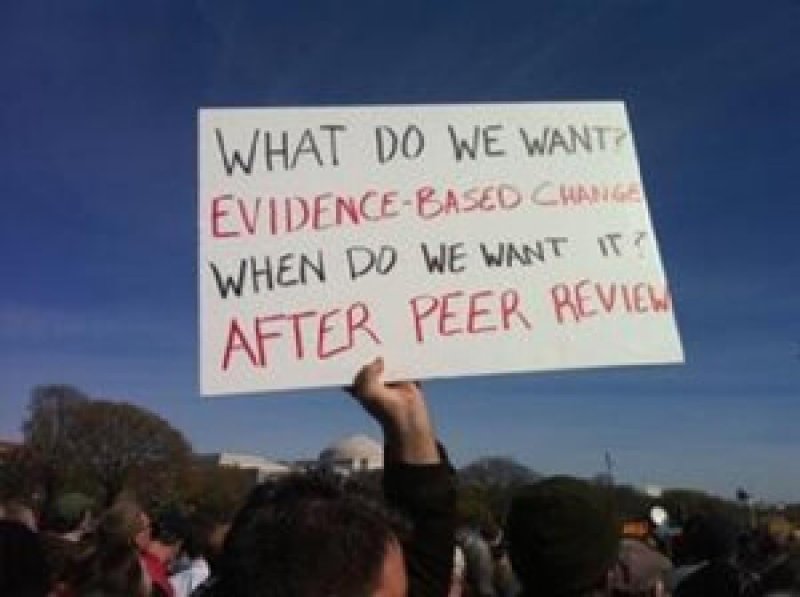
peerreviewprotest
via IFreakingLoveScience, Biofortified

The global discussion of genetically engineered crops has been heating up, and people are looking for answers to their questions. Are they safe to eat? Do they harm the environment? Does it make the foods radically different from what they were like before? And is there independent research besides the industry-funded science?

For the public, the scientific literature is generally not accessible. So it comes as no surprise that in our journey to help explain the science to the public and engage on this topic, the claim that there is no science, hardly any science, or only industry science conducted on genetically engineered crops kept coming up.

There is a bit of a mental shift that has occurred, which is akin to the change in perspective that you can get when you become a scientist. When talking about the safety of genetically engineered crops, it can be tempting to dismiss the studies that reach conclusions that you disagree with, or not include them for consideration on the basis of your assessment of the science or the scientists conducting it. People cherry-pick all the time to win arguments.
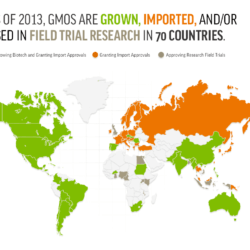
Biofortified is constructing the GENetic Engineering Risk Atlas–GENERA–to help the public and scientists navigate this research minefield.

Read the full, original story here: “Making sense of lists of studies”

{{ reviewsTotal }}{{ options.labels.singularReviewCountLabel }}
{{ reviewsTotal }}{{ options.labels.pluralReviewCountLabel }}
{{ options.labels.newReviewButton }}
{{ userData.canReview.message }}

Related Articles

Infographic: Global regulatory and health research agencies on whether glyphosate causes cancer

Infographic: Global regulatory and health research agencies on whether glyphosate causes cancer

Does glyphosate—the world's most heavily-used herbicide—pose serious harm to humans? Is it carcinogenic? Those issues are of both legal and ...

Most Popular

Screenshot-2026-05-01-at-1.29.41-PM
Viewpoint: What happens when whole grains meet modern food manufacturing? Labels don’t tell the whole story.
S
As vaccine rejectionism spreads, measles may be taking a more dangerous turn
Screenshot 2026-05-06 at 2.56
Singularity crisis ahead? Can super babies save us from rogue AI geniuses?
Screenshot-2026-05-06-at-2.07.43-PM
Manufacturing a conspiracy: The timeline of how  the White House embraced the fringe claim that scientists are being mysteriously murdered
Screenshot-2026-03-13-at-12.14.04-PM
The FDA wants to make many popular prescription drugs OTC—a great idea. Here’s why it’s unlikely to happen
Screenshot-2026-04-20-at-2.26.27-PM
Viewpoint — Food-fear world: The latest activist scientists campaign: Cancer-causing additives
Screenshot-2026-04-30-at-2.19.37-PM
5 myths about summer dehydration that could damage your health — or even kill you
ChatGPT-Image-May-6-2026-03_41_05-PM
‘Protecting the integrity of science’: Kennedy’s FDA blocks release of taxpayer-funded studies finding COVID and shingles vaccines safe
Screenshot-2026-05-01-at-11.56.24-AM
‘Science moves forward when people are willing to think differently’: Memories of DNA maverick Craig Venter
79d03212-2508-45d0-b427-8e9743ff6432
Viewpoint: The Casey Means hustle—Wellness woo opportunism dressed up as medical wisdom
Screenshot 2026-05-06 at 12.49
Immortal dragons: The quest to ‘make death optional’
glp menu logo outlined

Get news on human & agricultural genetics and biotechnology delivered to your inbox.