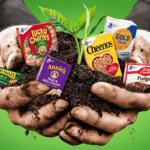
Why “non-GMO” Cheerios are a marketing ploy

What is General Mills protecting us from with GMO-free Cheerios?

To start with, there are no genetically modified oats grown anywhere, at least not in the current sense of the term, which refers to the splicing of specific foreign genes into the DNA of a seed.

As is the case with any commercial cereal, Cheerios contains a number of ingredients, with nutritious whole-grain oats at the top of the list. Next come modified corn starch and sugar. It is to these two ingredients that General Mills refers when it talks about “GMO-free.” Much of the corn and some of the sugar beets grown in North America are genetically modified to resist herbicides and ward off insects. But by the time the highly processed starch and sugar extracted from these plants reach the food supply, they retain no vestige of any genetic modification. There is no way to distinguish the starch or sugar derived from genetically modified plants from the conventional varieties.

Make no mistake about it: General Mills’s introduction of Cheerios sporting the label “Not made with genetically modified ingredients” is a mere marketing ploy and has nothing to do with health or nutrition.

Read the full, original article: Joe Schwarcz: There’s a big hole in Cheerios’ boast

{{ reviewsTotal }}{{ options.labels.singularReviewCountLabel }}
{{ reviewsTotal }}{{ options.labels.pluralReviewCountLabel }}
{{ options.labels.newReviewButton }}
{{ userData.canReview.message }}

Related Articles

Infographic: Global regulatory and health research agencies on whether glyphosate causes cancer

Infographic: Global regulatory and health research agencies on whether glyphosate causes cancer

Does glyphosate—the world's most heavily-used herbicide—pose serious harm to humans? Is it carcinogenic? Those issues are of both legal and ...

Most Popular

Screenshot-2026-04-20-at-2.26.27-PM
Viewpoint — Food-fear world: The latest activist scientists campaign: Cancer-causing additives
Screenshot-2026-05-01-at-11.56.24-AM
‘Science moves forward when people are willing to think differently’: Memories of DNA maverick Craig Venter
Screenshot-2026-04-03-at-11.15.51-AM
Paraben panic: How a flawed study, media hype, and chemophobia convinced the public of the danger of one of the safest classes of preservatives
Screenshot-2026-03-13-at-12.14.04-PM
The FDA wants to make many popular prescription drugs OTC—a great idea. Here’s why it’s unlikely to happen
ChatGPT-Image-May-1-2026-02_20_13-PM
How RFK, Jr.’s false vaccine claims are holding up $600 million to fight diseases in poor countries
viva-la-vida-watermelons
Misinformation and climate change are endangering summer watermelons
Drinking lots of water can help reduce the effects of aging
Nanoplastics in drinking water: MAHA activists forge science-based bipartisan coalition 
Screenshot-2026-04-30-at-2.19.37-PM
5 myths about summer dehydration that could damage your health — or even kill you
ChatGPT-Image-Mar-27-2026-11_27_05-AM
The myths of “process”: What science says about the “dangers’ of synthetic products and ultra-processed foods
79d03212-2508-45d0-b427-8e9743ff6432
Viewpoint: The Casey Means hustle—Wellness woo opportunism dressed up as medical wisdom
Screenshot-PM-24
Viewpoint: The herbicide glyphosate isn’t perfect. Banning it would be far worse.
ChatGPT-Image-Mar-10-2026-01_39_01-PM
Viewpoint—“Miracle molecule” debunked: Why acemannan supplements don’t work
glp menu logo outlined

Get news on human & agricultural genetics and biotechnology delivered to your inbox.