Australian GMO “contamination” case in final stages

Stephen Marsh via Farm Weekly

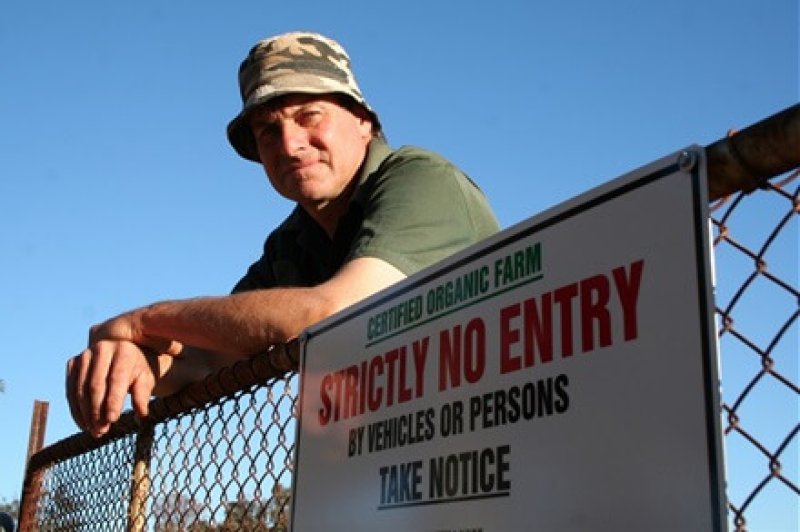
The Australian court case over genetically modified canola crops blown into an organic oat and wheat field is reaching it’s final days. In this case Steve Marsh is suing his neighbor Michael Baxter after harvested seed heads from Baxter’s genetically modified canola crop blew onto Marsh’s farm.

The National Association for Sustainable Agriculture Australia’s (NASAA) organic standards were scrutinized by Patricia Cahill, legal counsel for the Baxter, according to Farm Weekly:

Ms Cahill summarized to presiding judge, Kenneth Martin, that the improper construction and ineffective application of NASAA’s questionable standards (and not her client’s actions) should be blamed for the situation plaintiff’s Steve and Sue Marsh found themselves in.

According to her, a reckless, indifferent or cavalier grower (as her client Mr Baxter was referred to by the plaintiff’s counsel) wouldn’t have allowed for the proper buffer zones or told plaintiffs Steven and Sue Marsh of his planting intentions – all of which Mr Baxter did in accordance with his Roundup Ready seed contract.

In her summary Ms Cahill explained the complication between the parties arose when NASAA’s certification regime was laid over the top of Mr Baxter and Mr and Mrs Marsh’s coexistence, especially given the seemingly “moving goal posts” nature of the standards.

She also pointed to NASAA witnesses who struggled to point to a national standard warranting de-certification and gave evidence suggesting that each contamination case was handled and assessed on a case-by-case basis.

Ms Cahill told the judge Mr Baxter grew a crop he was legally entitled to grow and referred to her examination of the national and NASAA organic standards which showed no explicit reference to zero tolerance if read closely and carefully.

Are GMO farmers responsible for a neighbor’s organic crops? Will GMO farmers be limited in where they can grow crops in the future? This case has wide-ranging implications.

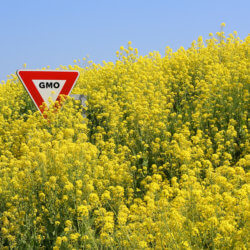
Marsh is seeking $85,000 in lost earnings. But the economic impacts of the verdict for the rest of the world are far greater.

Additional Resources: 

{{ reviewsTotal }}{{ options.labels.singularReviewCountLabel }}
{{ reviewsTotal }}{{ options.labels.pluralReviewCountLabel }}
{{ options.labels.newReviewButton }}
{{ userData.canReview.message }}

Related Articles

Infographic: Global regulatory and health research agencies on whether glyphosate causes cancer

Infographic: Global regulatory and health research agencies on whether glyphosate causes cancer

Does glyphosate—the world's most heavily-used herbicide—pose serious harm to humans? Is it carcinogenic? Those issues are of both legal and ...

Most Popular

Screenshot-2026-05-01-at-11.56.24-AM
‘Science moves forward when people are willing to think differently’: Memories of DNA maverick Craig Venter
Screenshot-2026-04-03-at-11.15.51-AM
Paraben panic: How a flawed study, media hype, and chemophobia convinced the public of the danger of one of the safest classes of preservatives
ChatGPT-Image-May-1-2026-02_20_13-PM
How RFK, Jr.’s false vaccine claims are holding up $600 million to fight diseases in poor countries
Screenshot-2026-04-20-at-2.26.27-PM
Viewpoint — Food-fear world: The latest activist scientists campaign: Cancer-causing additives
ChatGPT-Image-Apr-30-2026-12_21_05-PM-2
The tech billionaires behind the immortality movement
79d03212-2508-45d0-b427-8e9743ff6432
Viewpoint: The Casey Means hustle—Wellness woo opportunism dressed up as medical wisdom
ChatGPT-Image-Mar-27-2026-11_27_05-AM
The myths of “process”: What science says about the “dangers’ of synthetic products and ultra-processed foods
viva-la-vida-watermelons
Misinformation and climate change are endangering summer watermelons
ChatGPT-Image-Mar-10-2026-01_39_01-PM
Viewpoint—“Miracle molecule” debunked: Why acemannan supplements don’t work
Screenshot-PM-24
Viewpoint: The herbicide glyphosate isn’t perfect. Banning it would be far worse.
Screenshot-2026-03-13-at-12.14.04-PM
The FDA wants to make many popular prescription drugs OTC—a great idea. Here’s why it’s unlikely to happen
Drinking lots of water can help reduce the effects of aging
Nanoplastics in drinking water: MAHA activists forge science-based bipartisan coalition 
ChatGPT-Image-May-1-2026-03_16_32-PM
Viewpoint: How ‘health care guru’ Joe Rogan circumvented the FDA’s skepticism on psychedelics
glp menu logo outlined

Get news on human & agricultural genetics and biotechnology delivered to your inbox.