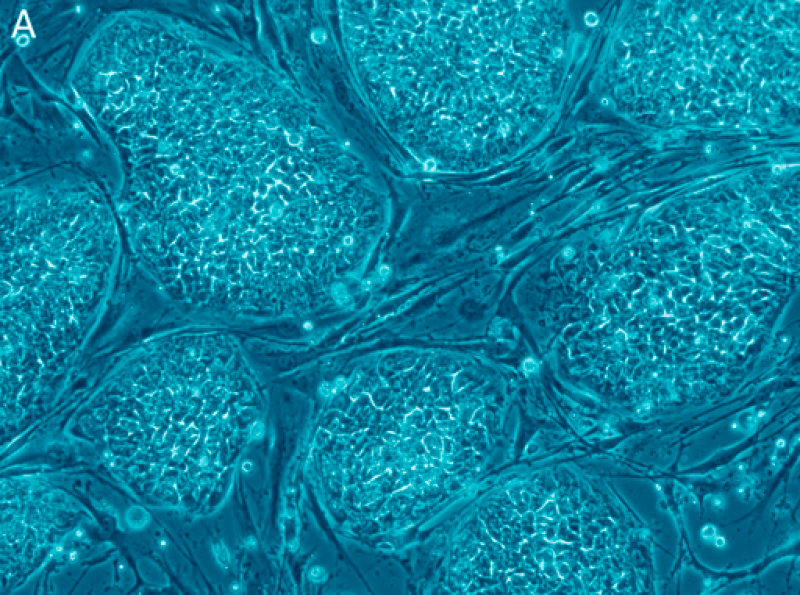
Genetic tests have put another nail in the coffin of the STAP (stimulus-triggered acquisition of pluripotency) stem cell phenomena, according to a blog post from Nature’s David Cyranoski.
Cyranoski writes:
According to Japanese media reports quoting “multiple sources”, […] none of the STAP stem cell lines match the original mouse strains from which they were supposedly taken, calling into question whether the STAP phenomenon has ever been demonstrated.
The findings are the result of a batch of tests ordered as a follow-up to a problematic genetic analysis from March. One of the co-authors of the STAP papers, Teruhiko Wakayama of Yamanashi University, found that some of the purported STAP stem cell lines did not match the mice from which they supposedly came, and he sent off samples to independent genetics labs to perform a more detailed analysis.
Now those results are coming in, and it doesn’t look good for the STAP stem cells, which grabbed the science world’s attention first as a potential breakthrough in the generation of stem cells and then as the center of a swirling controversy.
Cyranoski offers a tight recap of the STAP stem cell saga:
Reports of a new kind of stem cell, produced by simply stressing mature mouse cells, kicked up a storm of controversy soon after their publication in Nature on 30 January. Duplicated and manipulated images as well as plagiarism were found in the two papers, which led to a verdict of misconduct for the lead author, Haruko Obokata of the RIKEN Center for Developmental Biology in Kobe, Japan. There have also been calls for a retraction (which, for at least one of the papers, looks increasingly likely). But the controversy has left open a key question: does the phenomenon, known as stimulus-triggered acquisition of pluripotency, or STAP, exist?
These results would seem to go a long way toward settling the question of whether or not STAP cells, as reported, ever existed. RIKEN will continue to attempt to confirm the findings, and Cyranoski reports that Wakayama plans to release detailed results at a press conference soon.

In the meantime, the GLP Gene-ius column has touched on the STAP stem cell controversy several times before — you can find links to our complete coverage below.
Read David Cyranoksi’s original blog post at the Nature News Blog: “Genetic tests suggest STAP stem cells ‘never existed’”
Kenrick Vezina is Gene-ius Editor for the Genetic Literacy Project and a freelance science writer, educator, and naturalist based in the Greater Boston area.
Additional Resources:
- “Final Straw for STAP?” Tracy Vence | The Scientist
- “Besieged Obokata agrees to retract primary STAP cells paper,” Kyodo, Reuters
- “Japan’s STAP stem cell controversy deepens as accusations of misconduct focus on investigating panel,” Kenrick Vezina | Genetic Literacy Project
- “Embattled STAP stem cell researcher: I’m not guilty of miscounduct, technique works,” Kenrick Vezina | Genetic Literacy Project
- “Breakthrough STAP stem cell researchers officially guilty of misconduct,” Kenrick Vezina | Genetic Literacy Project
- “Promise of “easy” stem cells comes under investigation,” Kenrick Vezina | Genetic Literacy Project