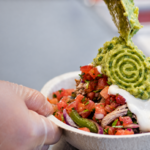
Genes underlying hangovers can aid in understanding alcoholism

Some people get hangovers after a night of drinking, while others don’t, and the reason may be in their genes, a new study of twins in Australia suggests.

Researchers looked for links between the study participants’ genetic makeups and the number of hangovers the individuals reported experiencing in the past year. The results showed that genetic factors accounted for 45 percent of the difference in hangover frequency in women and 40 percent in men.

In other words, genetics accounts for nearly half of the reason why one person experiences a hangover and another person doesn’t, after drinking the same amount of alcohol, the study said. The other half probably comes from outside influences unrelated to DNA, such as how quickly a person drinks, whether they eat while they drink and their tolerance for alcohol.

The researchers also found that the people who had the gene variants involved in an increased risk of having hangovers also drank to the point of being intoxicated more frequently than people who didn’t have the hangover genes. That is, the genes that dictate how frequently a person gets hungover may also underlie how frequently someone gets drunk in the first place. This suggests that the findings could contribute to future research on alcohol addiction.
“We have demonstrated that susceptibility to hangovers has a genetic underpinning. This may be another clue to the genetics of alcoholism,” study leader Wendy Slutske, a psychology professor at the University of Missouri-Columbia, told Live Science in an email.

Read the full, original story: Hangovers are about half genetic

Related Articles

Infographic: Global regulatory and health research agencies on whether glyphosate causes cancer

Infographic: Global regulatory and health research agencies on whether glyphosate causes cancer

Does glyphosate—the world's most heavily-used herbicide—pose serious harm to humans? Is it carcinogenic? Those issues are of both legal and ...

Most Popular

Screenshot-2026-10-01-at-10.52.08-AM
Non-browning CRISPR gene-edited bananas move one step closer to British markets
AI-Force-Leadership-Portrait
Jay Clayton controversy: The divisive history of Trump’s newly-appointed AI czar
Screenshot-2026-09-22-at-10.54.12-AM
‘They misunderstand science’: Research attempting to tie autism to changes in the gut microbiome comes under fire
ChatGPT-Image-Mar-10-2026-01_39_01-PM
Viewpoint—“Miracle molecule” debunked: Why acemannan supplements don’t work
Elderly-Speaker-at-MAHA-Institute
At anti-vaccine MAHA conference, RFK Jr. pledges to unify federal health information and combat vaccine safety ‘misinformation’
ChatGPT-Image-Sep-21-2026-11_21_39-AM
Viewpoint: Food cults: Online ‘nutrition communities’ can pose unique dangers
Screenshot 2026-10-01 at 12.30
Combating ‘narrative distortion’: Will pharma companies step up to challenge health misinformation?
ChatGPT-Image-Sep-10-2026-10_36_07-AM
Viewpoint: Even lousy scientific articles can shield authors when they hype dubious health claims and products
ChatGPT-Image-Sep-21-2026-03_15_09-PM
Viewpoint: Chipotle-inspired lesson: 10,000 sick customers suggest that processed foods can be safer than fresh ones
generated-1790707585414
Facts & Fallacies podcast: America's health care system is broken. A doctor explains how to fix it
glp menu logo outlined

Get news on human & agricultural genetics and biotechnology delivered to your inbox.