Conventional plant breeding outpaces GM technology for drought tolerance

goodcorn

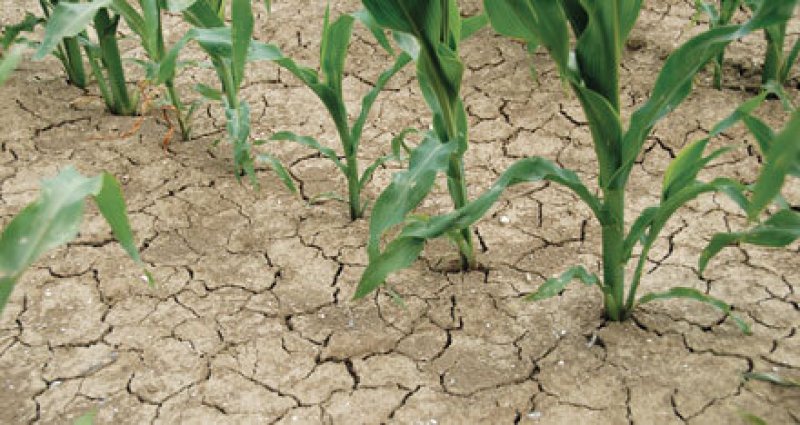
Old-fashioned breeding techniques seem to be leading genetic modification in a race to develop crops that can withstand drought and poor soils.

The need for tougher crops is especially acute in Africa, where drought can reduce maize (corn) yields by up to 25 percent. The Drought Tolerant Maize for Africa project, which launched in 2006 with U.S. $33 million, has developed 153 new varieties to improve yields in 13 countries. In field trials, these varieties match or exceed the yields from commercial seeds under good rainfall conditions, and yield up to 30 percent more under drought conditions.

An analysis published earlier this year reported that by the project’s end in 2016, the extra yields from drought-tolerant maize could help to reduce the number of people living in poverty in the 13 countries by up to 9 percent (R. La Rovere et al. J. Dev. Areas 48(1), 199–225; 2014). In Zimbabwe alone, that effect would reach more than half a million people.

Breeders from the International Maize and Wheat Improvement Center (CIMMYT) and the International Institute for Tropical Agriculture in Ibadan, Nigeria, searched the collection for maize varieties that thrive in water-scarce regions. The researchers cross-bred these var­ieties and then mated the most drought-tolerant of their offspring.

Drought tolerance is a complex trait that involves multiple genes. Transgenic techniques, which target one gene at a time, have not been as quick to manipulate it. But CIMMYT and six other research organizations are also developing genetically modified (GM) varieties of drought-resistant maize, in collaboration with agricultural biotechnology giant Monsanto in St Louis, Missouri. Coordinated by the African Agricultural Technology Foundation in Nairobi, the Water Efficient Maize for Africa project aims to have a transgenic variety ready for African farmers by 2016 at the earliest.

Read the full, original article: Cross-bred crops get fit faster

{{ reviewsTotal }}{{ options.labels.singularReviewCountLabel }}
{{ reviewsTotal }}{{ options.labels.pluralReviewCountLabel }}
{{ options.labels.newReviewButton }}
{{ userData.canReview.message }}

Related Articles

Infographic: Global regulatory and health research agencies on whether glyphosate causes cancer

Infographic: Global regulatory and health research agencies on whether glyphosate causes cancer

Does glyphosate—the world's most heavily-used herbicide—pose serious harm to humans? Is it carcinogenic? Those issues are of both legal and ...

Most Popular

Screenshot-2026-05-04-at-12.54.32-PM
How Utah became the country’s supplement capital  — and a haven for unregulated, ineffective and fake products
Screenshot-2026-03-13-at-12.14.04-PM
The FDA wants to make many popular prescription drugs OTC—a great idea. Here’s why it’s unlikely to happen
Screenshot-2026-04-20-at-2.26.27-PM
Viewpoint — Food-fear world: The latest activist scientists campaign: Cancer-causing additives
Screenshot-PM-24
Viewpoint: The herbicide glyphosate isn’t perfect. Banning it would be far worse.
images
The never-ending GMO debate: Pros and cons
Screenshot-2026-05-01-at-11.56.24-AM
‘Science moves forward when people are willing to think differently’: Memories of DNA maverick Craig Venter
Screenshot-2026-04-03-at-11.15.51-AM
Paraben panic: How a flawed study, media hype, and chemophobia convinced the public of the danger of one of the safest classes of preservatives
Screenshot-2026-04-30-at-2.19.37-PM
5 myths about summer dehydration that could damage your health — or even kill you
bigstock opioids on chalkboard with rol
GLP podcast: 'Safe injection sites': enabling drug addiction or saving lives?
ChatGPT-Image-May-1-2026-02_20_13-PM
How RFK, Jr.’s false vaccine claims are holding up $600 million to fight diseases in poor countries
glp menu logo outlined

Get news on human & agricultural genetics and biotechnology delivered to your inbox.