GMO crops increase yields, benefit the environment

Among the winners in this month’s elections were foods containing genetically modified organisms. And, it’s possible that labeling laws, if passed, would have decreased the amount of farmland, in the U.S. and abroad, given over to modified crops. That was the goal of many labeling proponents in recently lost ballot initiatives, and a new study suggests it would have been a bad result.

The study doesn’t look at the health effects of GMOs. Thousands of independent studies have already done so and found that GMOs are perfectly safe to eat. The new research instead looks at the costs and benefits for agriculture and the environment, a question on which there is less consensus.

The new study, in the journal PLOS One, comes down strongly on the pro-GMO side. It’s a meta-analysis that aggregates and examines the results of 147 existing research studies looking at GM soybeans, maize and cotton, the world’s biggest GM commodity crops. The authors, a pair of agricultural economists at Germany’s University of Göttingen, found that GM technology increased crop yields by 22 percent, reduced pesticide use by 37 percent, and increased farmer profits by 68 percent.

A few details jump out from the study. For one, the benefits were greater in those GM crops that produced their own pesticides rather than those engineered for herbicide resistance—the latter trait has been hugely convenient for farmers, but has also shown a greater rebound effect as weed species evolved resistance to the chosen herbicides.
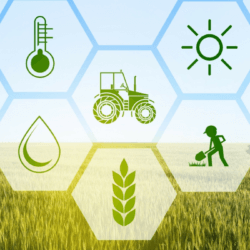
The yield and profit gains were also greater in developing countries than in developed countries.

Read the full original story: How GMO Crops Can Be Good for the Environment

{{ reviewsTotal }}{{ options.labels.singularReviewCountLabel }}
{{ reviewsTotal }}{{ options.labels.pluralReviewCountLabel }}
{{ options.labels.newReviewButton }}
{{ userData.canReview.message }}

Related Articles

Infographic: Global regulatory and health research agencies on whether glyphosate causes cancer

Infographic: Global regulatory and health research agencies on whether glyphosate causes cancer

Does glyphosate—the world's most heavily-used herbicide—pose serious harm to humans? Is it carcinogenic? Those issues are of both legal and ...

Most Popular

ChatGPT Image May 26, 2026, 08_42_17 AM (1)
Viewpoint: Greenpeace and poison: How environmental advocacy groups rely on compliant (and often ignorant) journalists to spread disinformation and spark litigation
Screenshot 2025-07-30 at 10.48
Can gene editing eliminate Down syndrome? Scientists have done it in lab-grown cells
Screenshot-2026-05-28-at-1.36.28-PM
Viewpoint: Can mRNA research survive the Trump administration?
Screenshot-2026-06-02-at-11.59.11-AM
Magnifica Humanitas: Pope’s encyclical broadside against AI naivete and overreach
Screenshot 2025-11-18 at 3.45
Viewpoint—GMOs and sustainability: Why buying organic foods is the least environmentally-sensitive food choice—without offering any health benefits
ChatGPT-Image-May-26-2026-07_51_21-AM-2
Viewpoint: There are more than 1,000 chemicals in a cup of coffee—including many substances that can cause cancer. Why isn’t it banned?
ChatGPT-Image-Jun-2-2026-11_39_58-AM
Viewpoint: Who is RFK, Jr.’s newly-appointed CDC senior counselor, Sara Brenner — Vaccine skeptic and self-proclaimed “MAHA mom”
Picture1
Sounds we can’t hear — the hidden planetary signals behind science, fear, and misinformation
ChatGPT Image May 28, 2026, 08_16_38 PM
Viewpoint: Why the EPA mismeasures cancer risk of chemicals and what should be done to fix it
glp menu logo outlined

Get news on human & agricultural genetics and biotechnology delivered to your inbox.