When it comes to omega-3s, the message is clear: All salmon is a good choice.
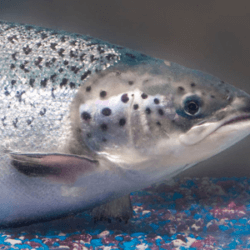
But that might soon change. A piece of farmed salmon today may contain as little as half the amount of omega-3s than it did a decade ago.
This is according to the International Fishmeal and Fish Oil Organization (IFFO), a trade group that represents stakeholders in the marine ingredient industry. The group is sounding the alarm over declining levels of omega-3s in farmed salmon.
It’s a problem the industry has been aware of for several years.
Steady pressure on the farmed salmon industry from environmentalists has pushed producers to become more eco-friendly, including efforts to reduce the quantity of forage fish like anchovy, sardines, or menhaden in their feed—which are the source of omega-3s in salmon.



In place of forage fish, soy, algae, barley protein, insects, trimmings from seafood processing, and even mixed nut meal from California’s pistachio and almond industry are all appearing in feed.
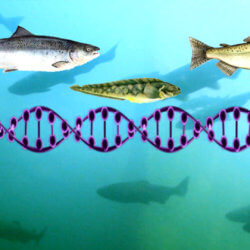
Verlasso, a joint venture between ag-chemical giant DuPont and farmed-salmon giant AquaChile, has also developed a genetically modified yeast which carries genes from an omega-3 producing algae and has dramatically reduced the company’s reliance on forage fish as a component of the salmon’s diet.
“I’ve never seen so much development for aquaculture,” says Rick Barrows, research nutritionist at U.S. Department of Agriculture’s Agricultural Research Service. “There are a lot of ingredients being evaluated and developed. The whole question is, can they be scalable?”
Read full, original article: Is Farmed Salmon Losing its Omega-3 Edge?