Improved wheat varieties on horizon to address drought, flooding pests and stresses

After years of research efforts worldwide, researchers have finally identified a draft sequence of the bread wheat genome – an accomplishment that will lead to more robust and better wheat varieties in the years ahead.

“It is only when we know the wheat DNA – when we have sequenced the – that we are able to cultivate new in a more efficient manner,” Professor Odd-Arne Olsen, head of the genome research team at The Norwegian University of Life Sciences (NMBU), explained.

The wheat genome is the largest and most complex genome of all the grains, and efforts to identify it has been considerably more difficult than, for example, rice and corn.

“To put it in perspective, the wheat genome is six times larger than the human genome,” said Olsen. “This has made mapping the DNA extra complicated. We have had to develop methods that allow us to separate DNA from three different sets of genetic material.”
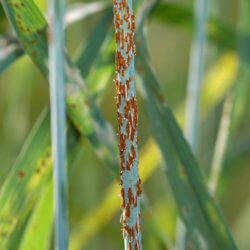
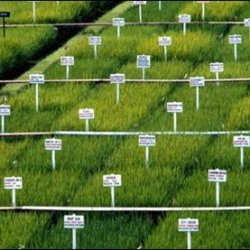
Now, with a chromosome-based full sequence in hand, plant breeders will have high quality tools at their disposal to accelerate breeding programs and to identify how genes control complex traits such as yield, grain quality, disease, pest resistance, or abiotic stress tolerance. They will be able to produce a new generation of wheat varieties with higher yields and improved sustainability to meet the demands of a growing world population in a changing environment.

Recently, NMBU researchers have co-authored three of five articles on the breakthrough in wheat genome research in the prestigious academic journal Science.

Read full, original article: Breakthrough will help increase food security with better, more robust wheat varieties

Related Articles

Infographic: Global regulatory and health research agencies on whether glyphosate causes cancer

Infographic: Global regulatory and health research agencies on whether glyphosate causes cancer

Does glyphosate—the world's most heavily-used herbicide—pose serious harm to humans? Is it carcinogenic? Those issues are of both legal and ...

Most Popular

Glossy Plastic Bag of Tokens and Labels
Viewpoint: How CNN got played by environmental activists pushing a plastics scare and litigation agenda
Screenshot-2026-10-21-at-11.30.51-AM
Viewpoint: Yes, our food system stinks, but the attack of ultra-processed foods is often misplaced
Neon Syringe Portrait with BPC-157
Viewpoint: Peptides and medical freedom: The MAHA obsession that can damage your health
Screenshot-2026-10-30-at-11.36.40-AM
An Earth-saving benefit of global warming?: How fossil fuel-burning humans stopped the looming Ice Age
ChatGPT-Image-Mar-10-2026-01_39_01-PM
Viewpoint—“Miracle molecule” debunked: Why acemannan supplements don’t work
Robots in a Futuristic Conference Meeting
Helpful until we’re helpless? Researchers warn AI is gradually eroding human control
Screenshot-2026-10-30-at-11.20.30-AM
‘Silent killer’: Hepatitis B could surge under Trump–RFK Jr. rollback of newborn vaccine recommendations
Screenshot 2026-07-29 at 10.40
The COVID vaccine turbo cancer scare is back. Science still proves it’s wrong.
Patriotic Flag in a Glass Flask
Viewpoint: America Last: From the Pentagon to universities, Trump’s corruption of science could inflict lasting, irreversible damage on U.S. research
Screenshot 2026-10-27 at 10.32
“Do your own research”: What Medicare’s annual open enrollment circus teaches us about the seductive trap of DIY health and science
glp menu logo outlined

Get news on human & agricultural genetics and biotechnology delivered to your inbox.