What turned the organic movement against GMOs?

typesofGE

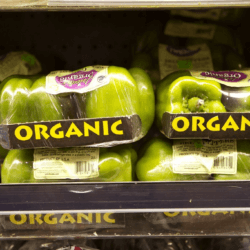
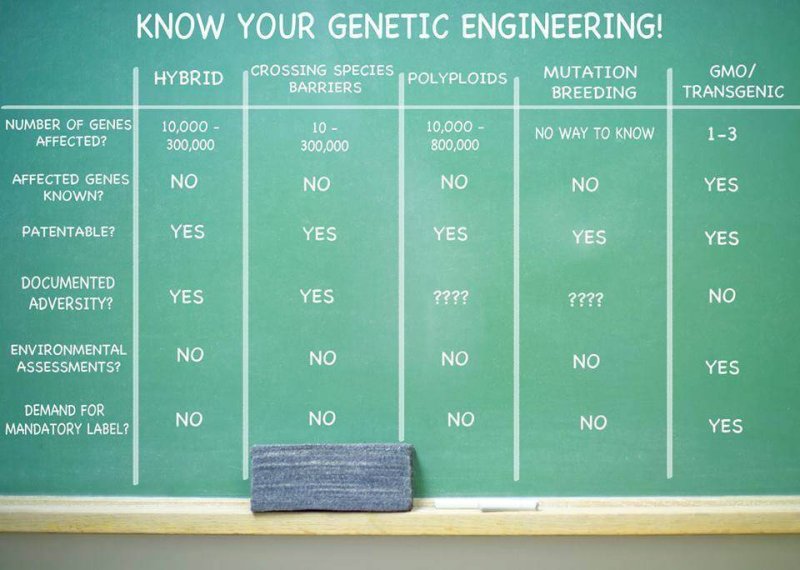
The idea behind the organic movement has some virtues: using fewer chemicals that might be more dangerous, reducing logistics and trying to protect diversity. Unfortunately, it has been pretty badly perverted. The organic movement has been convinced that having plants produce their own Bt (and thus not spraying it into the air or onto the soil) is somehow worse than literally spraying it onto the plants (which is allowed in organic farming).

But the movement has gone from one based on a valid idea to something completely different, shunning targeted changes but pretending as if using ionizing radiation on seeds is somehow safe… without testing. Rejecting progress, rejecting and banning things like golden rice (that are literally offered for free to poor farmers in regions where vitamin A is difficult to become in one’s diet) based solely on the argument that it isn’t “natural,” all while using radiation to create unclear changes that will not be tested for their safety.

There is nothing about genetic engineering that makes it inherently risky, and in many ways it is less risky than current mutation breeding practices.
typesofGE

Read full, original article: When did the organic movement become anti-gmo?

 

{{ reviewsTotal }}{{ options.labels.singularReviewCountLabel }}
{{ reviewsTotal }}{{ options.labels.pluralReviewCountLabel }}
{{ options.labels.newReviewButton }}
{{ userData.canReview.message }}

Related Articles

Infographic: Global regulatory and health research agencies on whether glyphosate causes cancer

Infographic: Global regulatory and health research agencies on whether glyphosate causes cancer

Does glyphosate—the world's most heavily-used herbicide—pose serious harm to humans? Is it carcinogenic? Those issues are of both legal and ...

Most Popular

Picture1-5
Science Disinformation Gap: The transatlantic battle over social media and censorship
ChatGPT Image May 10, 2026, 08_16_59 PM 2
Overmedicalization? RFK Jr.’s antidepressant crackdown raises conflict questions over his fee stake in Wisner Baum, the tort firm built on suing drug makers
ChatGPT-Image-May-12-2026-08_39_41-PM
GLP podcast: Big Pharma, Big Ag, Big Food—health harming industries or life-saving innovators?
Screenshot-2026-04-23-at-11.00.36-AM
Regulators' dilemma: Thalidomide, Metformin, and the cost of getting drug approvals wrong
Picture1-1
Cooling the planet with balloons: Could a geoengineering gamble slow global warming?
Screenshot-2026-05-12-at-9.58.31-PM
'He seems fine': Marty Makary out as FDA commissioner
Picture1-14
When superbugs threaten vulnerable children: Can AI help solve antibiotic resistance?
Screenshot-2026-05-12-at-10.05.11-AM
Pro-vaccine “hero” vs. an anti-vax “villain”: ‘Bad Vaxx’ video stirs MAHA backlash
Screenshot-2026-05-11-104424
Hantavirus outbreak research: Trump administration shut down study last year on rodent-to-human transmission
ChatGPT Image May 12, 2026, 10_19_00 AM 2
Viewpoint— 'Muscular governance': How authoritarianism is surging corporate-linked energy misinformation
S
As vaccine rejectionism spreads, measles may be taking a more dangerous turn
Screenshot 2026-05-11 at 11.30
Despite politicized disinformation, Midwest AI data centers are fueling a solar energy boom
Screenshot-2026-04-12-135256
Bixonimania: The fake disease scam that AI swallowed whole
glp menu logo outlined

Get news on human & agricultural genetics and biotechnology delivered to your inbox.