Europe is famously tesselated, with different cultural and language groups clustering in different regions. But how did they all get there? And how are they related?
One way of answering these questions comes from digging up relics of the past. Europe has a rich archaeological record, ranging from periods well before the famous metal ages (i.e. copper, bronze and iron) to the recent adventures of the Romans, Vandals, Huns and Vikings.
Distinctive types of pottery and cultural practices associated with burials and settlements have been used to group the ancient populations into individual “archaeological cultures”. However, it hasn’t been clear whether there is a genetic basis for these group boundaries or whether they’re just cultural.
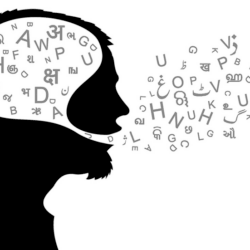
Another line of evidence to illuminate how various groups are related comes from their languages. There is the well known Indo-European language tree – ranging from Hindi to Russian to Spanish. But it’s also quite unclear how the languages spread to their present regions.
Now we have another layer of information to help us reveal the history of European peoples: DNA sequencing.
What we have found is that, in addition to the original European hunter-gatherers and a heavy dose of Near Eastern farmers, we can now add a third major population: steppe pastoralists. These nomads appear to have “invaded” central Europe in a previously unknown wave during the early Bronze Age (about 4,500 years ago).




This event saw the introduction of two very significant new technologies to western Europe: domestic horses and the wheel. It also reveals the mysterious source for the Indo-European languages.
The genetic results are clear: farming was introduced widely across Europe in one or two rapid waves around 8,000 years ago by populations from the Near East — effectively the very first skilled migrants.
Read full, original article: European invasion: DNA reveals the origins of modern Europeans