
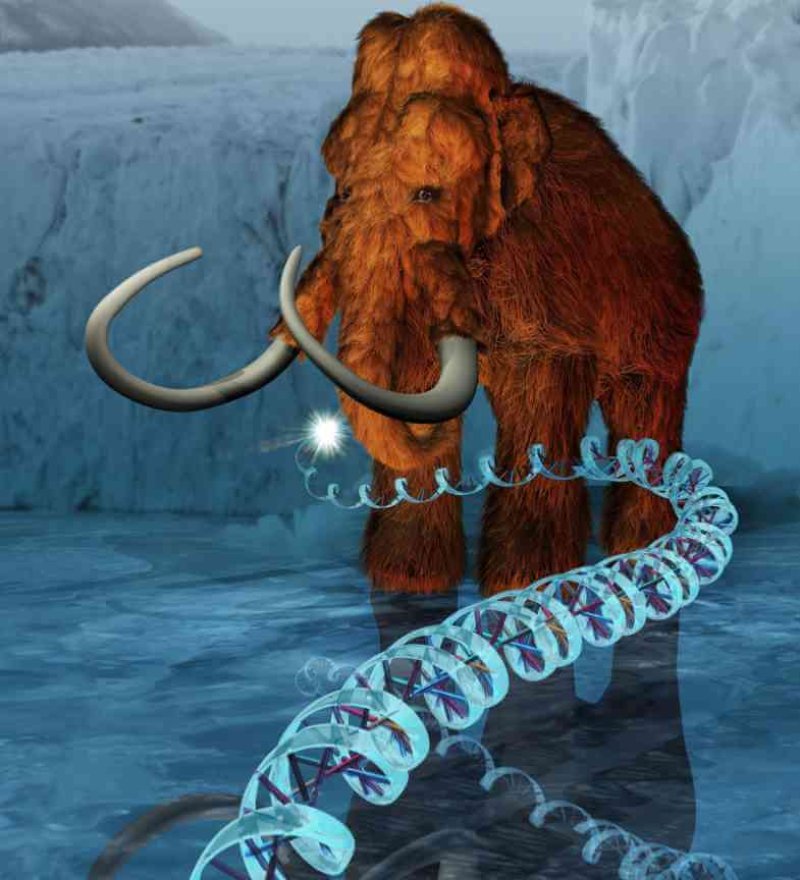
Mammoth DNA successfully resurrected, but cloning won’t happen anytime soon

c

A group of researchers are getting closer to bringing the extinct woolly mammoth back to life. Geneticist George Church’s lab at Harvard University successfully copied genes from frozen woolly mammoths and pasted them into the genome of an Asian elephant.

Using a DNA editing tool called CRISPR, the scientists spliced genes for the mammoths’ small ears, subcutaneous fat, and hair length and color into the DNA of elephant skin cells. The tissue cultures represent the first time woolly mammoth genes have been functional since the species went extinct around 4,000 years ago.

The research has not yet been peer-reviewed or published in a scientific journal “because there is more work to do,” Church told the U.K.’s Sunday Times, “but we plan to do so.”

The work is part of an effort to bring extinct species back from the dead, a process called “de-extinction”. The recent breakthrough shows that one proposed de-extinction method–which involves splicing genes from extinct animals into the genomes of their living relatives—just might work. But don’t believe the headlines suggesting woolly mammoth cloning is just around the corner. Church explained to Popular Science that there’s a lot more research to be done.


“Just making a DNA change isn’t that meaningful,” says Church. “We want to read out the phenotypes.”

To do that, the team needs to figure out how to take the flat hybrid cells from a petri dish and coax them into becoming specialized tissues—such as blood cells or liver organoids–then test to see if they behave properly. For example, do the mammoth hair genes lead to hair that’s the right color, length, and woolliness?

Read full, original article: Woolly mammoth DNA successfully spliced into elephant cells

Related Articles

Infographic: Global regulatory and health research agencies on whether glyphosate causes cancer

Infographic: Global regulatory and health research agencies on whether glyphosate causes cancer

Does glyphosate—the world's most heavily-used herbicide—pose serious harm to humans? Is it carcinogenic? Those issues are of both legal and ...

Most Popular

ChatGPT-Image-Mar-10-2026-01_39_01-PM
Viewpoint—“Miracle molecule” debunked: Why acemannan supplements don’t work
newborn baby spit up gerd
Vaccine-preventable congenital infections are a leading driver of autism
Screenshot-2026-10-14-at-11.45.36-AM
Viewpoint: RFK Jr.’s stacked FDA advisory council endorses multicancer screening test from ethically- questionable company that would increase false positives and waste billions of dollars
Screenshot-2026-10-08-at-10.41.33-AM
Viewpoint: Wellness patches: Most vitamin supplements are useless and sometimes even dangerous, but this craze is even worse
Misinformation-Shatters-the-Clockwork-Mind
Viewpoint: The price Americans pay for science denialism
Screenshot-2026-10-15-at-12.13.33-PM
Ahead of the midterms, Meta has paid at least 29 anti-LGBTQ accounts for their posts
Pride and Patriotism in the Breeze
Retreat from identity labels: Does the sharply declining number of young teens identifying as gay and bisexual reflect an ideological shift?
Screenshot-2026-10-14-at-12.47.21-PM
Viewpoint: Are these Trump-conservative GOP doctor-politicians violating their medical oath?
Crossed-Out-Calendar-with-Milk-Carton
Viewpoint: The shocking consequences after a year of Robert F. Kennedy Jr.'s distortions, deceptions, and flat-out falsehoods
Prescription Capsules Scattered on Twenty-Dollar Bills
Facts & Fallacies podcast: America's health care system is broken. A doctor explains how to fix it, Part 2
Cross and Syringe Standoff
Viewpoint: Hijacking Jesus: How anti-vaccine fanatics are exploiting religious exemptions and killing children
Screenshot-2026-10-07-at-1.03.15-PM
Anti-vaxxers’ double whammy: Exaggerated vaccine fears have fueled measles outbreaks and preventable deaths—and left survivors more vulnerable to other infections for years
glp menu logo outlined

Get news on human & agricultural genetics and biotechnology delivered to your inbox.





















