How to genetically engineer a better tomato

needletomato

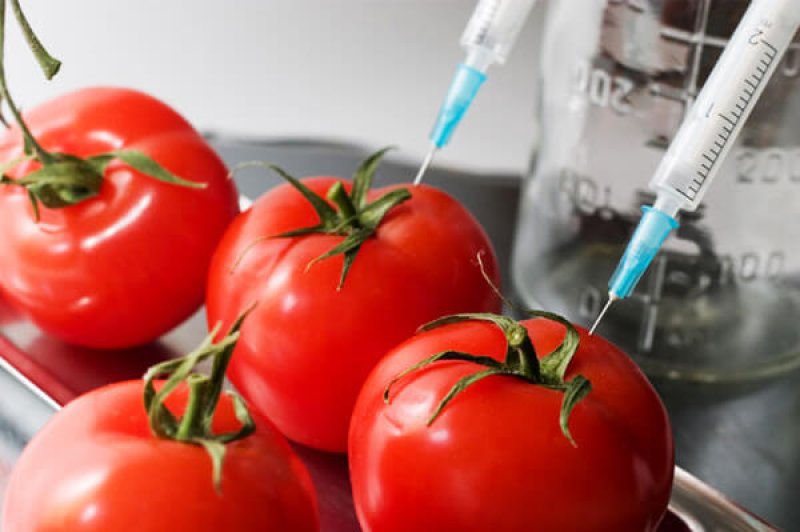
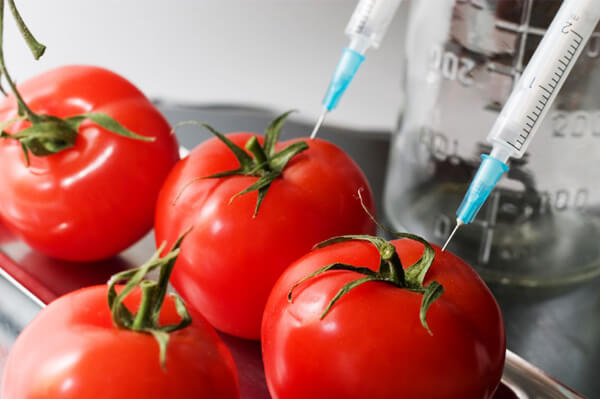
So, I think we’ve all seen this type of image from anti-GMO activists:
needletomato

The irony is that this is so completely divorced from what one actually does to modify a tomato, or indeed any plant, that it only serves to polarize. Also, it allows people who study genetics to immediately identify someone with absolutely no knowledge in the area of genetics, or genetic engineering.

So how is it really done?

Well, there are a couples ways. One of the most common, and classic, is using Agrobacterium tumefaciens. This bacteria has the special ability to take a certain part of its DNA (TI plasmid) and insert it into plants, and have this same DNA gain access to the nucleus. It doesn’t work on every species or family, but it works on quite a few, including Solanum (which includes potatoes and tomatoes). When used, it is applied primarily to female reproductive cells, allowing the plants to pass it onto the next generation.

The most famous way is probably using a “gene gun,” which also leads to a random incorporation of the added DNA. Remember that prior to ever being reproduced, all GM crops are analysed on a genetic level to figure out not only how many copies of the added gene are there (they only take clones that have a single copy), but also to determine in which clones there was no interruption of normal genes.

Read full, original article: How do you actually make a GM tomato?

{{ reviewsTotal }}{{ options.labels.singularReviewCountLabel }}
{{ reviewsTotal }}{{ options.labels.pluralReviewCountLabel }}
{{ options.labels.newReviewButton }}
{{ userData.canReview.message }}

Related Articles

Infographic: Global regulatory and health research agencies on whether glyphosate causes cancer

Infographic: Global regulatory and health research agencies on whether glyphosate causes cancer

Does glyphosate—the world's most heavily-used herbicide—pose serious harm to humans? Is it carcinogenic? Those issues are of both legal and ...

Most Popular

Screenshot-2026-04-20-at-2.26.27-PM
Viewpoint — Food-fear world: The latest activist scientists campaign: Cancer-causing additives
Screenshot-2026-03-13-at-12.14.04-PM
The FDA wants to make many popular prescription drugs OTC—a great idea. Here’s why it’s unlikely to happen
Screenshot-2026-05-04-at-12.54.32-PM
How Utah became the country’s supplement capital  — and a haven for unregulated, ineffective and fake products
Screenshot-2026-05-01-at-11.56.24-AM
‘Science moves forward when people are willing to think differently’: Memories of DNA maverick Craig Venter
Screenshot-2026-04-03-at-11.15.51-AM
Paraben panic: How a flawed study, media hype, and chemophobia convinced the public of the danger of one of the safest classes of preservatives
Screenshot-2026-04-30-at-2.19.37-PM
5 myths about summer dehydration that could damage your health — or even kill you
ChatGPT-Image-May-1-2026-02_20_13-PM
How RFK, Jr.’s false vaccine claims are holding up $600 million to fight diseases in poor countries
ChatGPT-Image-Mar-27-2026-11_27_05-AM
The myths of “process”: What science says about the “dangers’ of synthetic products and ultra-processed foods
ChatGPT-Image-Mar-10-2026-01_39_01-PM
Viewpoint—“Miracle molecule” debunked: Why acemannan supplements don’t work
Drinking lots of water can help reduce the effects of aging
Nanoplastics in drinking water: MAHA activists forge science-based bipartisan coalition 
viva-la-vida-watermelons
Misinformation and climate change are endangering summer watermelons
circular-bioeconomy-should-focus-on-sustainable-wellbeing
GLP podcast: What's wrong with 'doomsday' environmentalism? It's false.
glp menu logo outlined

Get news on human & agricultural genetics and biotechnology delivered to your inbox.