Another study confirms vaccines still don’t cause autism

In the latest study on the vaccines, researchers find even more evidence that childhood immunizations aren’t linked to autism.

In a study published in the Journal of the American Medical Association, a group led by Dr. Anjali Jain of the Lewin Group, a health care consulting organization, found that brothers and sisters of children with autism were not at any higher risk of developing the disorder if they were vaccinated compared with brothers and sisters of those without autism.

Numerous studies have found an increased risk of autism among those with older siblings with the condition, and some parents who believe that their older child’s autism is connected to vaccinations, specifically the MMR vaccine, have been reluctant to immunize their younger children. Indeed, Jain found that vaccination rates among siblings of autistic children were lower, at about 86 percent at 5 years, compared with 92 percent among those without autistic brothers or sisters.
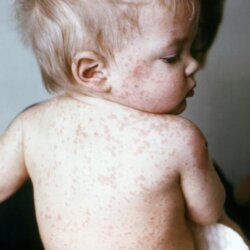
But among the 95,000 children with older siblings included in the study, children who received the MMR and had autistic older siblings were no more likely to develop autism than children who were vaccinated and didn’t have any autistic older siblings. In fact, the relative risk of autism among those with older autistic brothers or sisters was lower if they were vaccinated compared with those who were not vaccinated.

The GLP aggregated and excerpted this blog/article to reflect the diversity of news, opinion and analysis. Read full, original post: Vaccines Don’t Cause Autism, Even in Kids at Higher Risk

{{ reviewsTotal }}{{ options.labels.singularReviewCountLabel }}
{{ reviewsTotal }}{{ options.labels.pluralReviewCountLabel }}
{{ options.labels.newReviewButton }}
{{ userData.canReview.message }}

Related Articles

Infographic: Global regulatory and health research agencies on whether glyphosate causes cancer

Infographic: Global regulatory and health research agencies on whether glyphosate causes cancer

Does glyphosate—the world's most heavily-used herbicide—pose serious harm to humans? Is it carcinogenic? Those issues are of both legal and ...

Most Popular

Picture1-5
Science Disinformation Gap: The transatlantic battle over social media and censorship
Screenshot-2026-04-23-at-11.00.36-AM
Regulators' dilemma: Thalidomide, Metformin, and the cost of getting drug approvals wrong
ChatGPT-Image-May-12-2026-08_39_41-PM
GLP podcast: Big Pharma, Big Ag, Big Food—health harming industries or life-saving innovators?
ChatGPT Image May 10, 2026, 08_16_59 PM 2
Overmedicalization? RFK Jr.’s antidepressant crackdown raises conflict questions over his fee stake in Wisner Baum, the tort firm built on suing drug makers
Screenshot-2026-05-12-at-9.58.31-PM
'He seems fine': Marty Makary out as FDA commissioner
Picture1-1
Cooling the planet with balloons: Could a geoengineering gamble slow global warming?
Screenshot-2026-05-12-at-10.05.11-AM
Pro-vaccine “hero” vs. an anti-vax “villain”: ‘Bad Vaxx’ video stirs MAHA backlash
Picture1-14
When superbugs threaten vulnerable children: Can AI help solve antibiotic resistance?
Screenshot-2026-05-11-104424
Hantavirus outbreak research: Trump administration shut down study last year on rodent-to-human transmission
ChatGPT Image May 12, 2026, 10_19_00 AM 2
Viewpoint— 'Muscular governance': How authoritarianism is surging corporate-linked energy misinformation
Screenshot-2026-05-01-at-1.29.41-PM
Viewpoint: What happens when whole grains meet modern food manufacturing? Labels don’t tell the whole story.
Screenshot 2026-05-11 at 11.30
Despite politicized disinformation, Midwest AI data centers are fueling a solar energy boom
S
As vaccine rejectionism spreads, measles may be taking a more dangerous turn
glp menu logo outlined

Get news on human & agricultural genetics and biotechnology delivered to your inbox.