DNA test developed to keep beer fresh

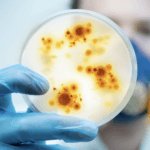
Standing beneath a massive, stainless steel tank that regularly holds 100 barrels worth of beer, it’s hard to imagine how something smaller than a human hair could mean tossing all of it out. Yet the tiny bacteria that could turn this brew into an acrid, undrinkable slop are lurking all around us, entirely invisible to the naked eye. These microbes are both a brewer’s best friend and worst nightmare.

Pediococcus and Lactobacillus are two types of bacteria with voracious appetites that can wreak havoc by leaving an undesirable sour taste in their wake. They can be crucial to making some beer styles, but if unchecked in others (like say an India Pale Ale), they can ruin a batch. Russian River Brewing company in Santa Rosa, California is among the first breweries to try a new test for these germs, one that promises to take a week-long test that has become the standard among brewers, and do it in just under three hours.

Philadelphia-based company Invisible Sentinel has come up with a new rapid testing kit called the BrewPal that identifies isolated chunks of DNA from problem bacteria. It’s not meant to diagnose every potential problem that could threaten a good beer; rather, it’s designed to target the specific types of Pediococcus andLactobacillus bacteria that are responsible for serious, and often irreversible damage.

The GLP aggregated and excerpted this blog/article to reflect the diversity of news, opinion and analysis. Read full, original post: Spoiled rotten: how breweries are trying to spot bad beer through DNA


{{ reviewsTotal }}{{ options.labels.singularReviewCountLabel }}
{{ reviewsTotal }}{{ options.labels.pluralReviewCountLabel }}
{{ options.labels.newReviewButton }}
{{ userData.canReview.message }}

Related Articles

Infographic: Global regulatory and health research agencies on whether glyphosate causes cancer

Infographic: Global regulatory and health research agencies on whether glyphosate causes cancer

Does glyphosate—the world's most heavily-used herbicide—pose serious harm to humans? Is it carcinogenic? Those issues are of both legal and ...

Most Popular

ChatGPT-Image-Jul-8-2026-12_32_48-PM
Viewpoint: SCOTUS strikes a blow against junk science in Bayer glyphosate case. Will it deter mass tort litigators?
ChatGPT-Image-Mar-10-2026-01_39_01-PM
Viewpoint—“Miracle molecule” debunked: Why acemannan supplements don’t work
Screenshot-2026-07-08-at-9.36.03-AM
Viewpoint: Long-contained diseases are on the rise in the U.S. Are Trump cuts to blame?
afb-a-b
As the EU loosens restrictions on agricultural gene editing, it remains years behind the rest of the world on equally-safe GMO foods
Viewpoint: Consensus as truth? How ‘misinformation police’ control policy narratives
Which among war, weather and cyber attacks is the biggest world threat? None of the above. It’s misinformation, and here’s why.
c9f0a584-46e9-4dd8-9a77-f5f5a7a51a84
Across Eastern Europe, science disinformation has spread far beyond COVID and vaccine denialism. Here’s the grim list.
Screenshot 2026-07-11 100209
Viewpoint: Supplements to clean your liver? Not a good idea.
ChatGPT-Image-Jul-7-2026-01_57_55-PM
Viewpoint: Europe’s rejection of air conditioning is the poster child for misunderstanding how to mitigate the impact of climate change
Gemini_Generated_Image_gabo48gabo48gabo
Viewpoint: A plastic surgeon on why banning gender-transition surgery without further research is wrong and harmful
ChatGPT-Image-Jun-25-2026-12_23_17-PM
No, Bill Gates did not secretly engineer ticks to promote veganism
ChatGPT-Image-Jul-1-2026-03_33_49-PM
‘Alternative’ cancer treatments that could kill you
Screenshot-2026-07-10-at-3.10.50-PM
Snake-oil cures throughout history
ChatGPT-Image-Jul-1-2026-12_37_08-PM
Viewpoint: Trump poised to politicize all U.S.-supported science research
glp menu logo outlined

Get news on human & agricultural genetics and biotechnology delivered to your inbox.