We’re entering a new generation of precision medicine

For decades, doctors treated nearly all patients with the same disease in the same way, aware that drugs that worked on some would fail on others. Unlocking the mysteries of genetics has held the promise of finding more customized cures with drugs that can attack genetic mutations or repair genetic defects in individuals.

The emerging approach plays to the strengths of the Massachusetts life-sciences sector, where dozens of drug makers, biotech startups, university labs, and medical centers are active in the field. Such companies as the Swiss drugmaker Novartis AG and the Japanese firm Takeda Oncology Co., which both have major operations in Cambridge, are marketing targeted therapies to treat cancer.

Cambridge biotechs such as Genzyme Corp. and Alnylam Pharmaceuticals Inc. are developing personalized treatments for rare genetic disorders like Gaucher and Fabry disease. Vertex Pharmaceuticals Inc. of Boston is turning out a portfolio of medicines that attack the life-threatening lung disease cystic fibrosis by targeting specific genetic mutations.

If the first genome map was the opening act, “we’re into the next generation of precision medicine,” said Tyler Jacks, director of MIT’s Koch Institute for Integrative Cancer Research in Cambridge.

That next generation is focusing less on a person’s overall genetic makeup than on specific genetic mutations that cause disease. In the case of Jacks’s lab at the Koch Institute, one focus is on mutations that cause pancreatic, lung, and colon cancers.

The GLP aggregated and excerpted this blog/article to reflect the diversity of news, opinion and analysis. Read full, original post: In the future, treatments tailored to patients


{{ reviewsTotal }}{{ options.labels.singularReviewCountLabel }}
{{ reviewsTotal }}{{ options.labels.pluralReviewCountLabel }}
{{ options.labels.newReviewButton }}
{{ userData.canReview.message }}

Related Articles

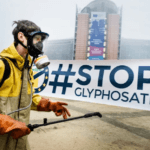
Infographic: Global regulatory and health research agencies on whether glyphosate causes cancer

Infographic: Global regulatory and health research agencies on whether glyphosate causes cancer

Does glyphosate—the world's most heavily-used herbicide—pose serious harm to humans? Is it carcinogenic? Those issues are of both legal and ...

Most Popular

Screenshot-2026-05-01-at-11.56.24-AM
‘Science moves forward when people are willing to think differently’: Memories of DNA maverick Craig Venter
Screenshot-2026-04-03-at-11.15.51-AM
Paraben panic: How a flawed study, media hype, and chemophobia convinced the public of the danger of one of the safest classes of preservatives
79d03212-2508-45d0-b427-8e9743ff6432
Viewpoint: The Casey Means hustle—Wellness woo opportunism dressed up as medical wisdom
ChatGPT-Image-Apr-30-2026-12_21_05-PM-2
The tech billionaires behind the immortality movement
ChatGPT-Image-Mar-10-2026-01_39_01-PM
Viewpoint—“Miracle molecule” debunked: Why acemannan supplements don’t work
Screenshot-PM-24
Viewpoint: The herbicide glyphosate isn’t perfect. Banning it would be far worse.
ChatGPT-Image-Mar-27-2026-11_27_05-AM
The myths of “process”: What science says about the “dangers’ of synthetic products and ultra-processed foods
ChatGPT-Image-May-1-2026-02_20_13-PM
How RFK, Jr.’s false vaccine claims are holding up $600 million to fight diseases in poor countries
ChatGPT-Image-Mar-3-2026-01_17_14-PM
MAHA wellness influencers deride proven anxiety medications, tout lifestyle fixes
Screenshot-2026-04-20-at-2.26.27-PM
Viewpoint — Food-fear world: The latest activist scientists campaign: Cancer-causing additives
Drinking lots of water can help reduce the effects of aging
Nanoplastics in drinking water: MAHA activists forge science-based bipartisan coalition 
viva-la-vida-watermelons
Misinformation and climate change are endangering summer watermelons
glp menu logo outlined

Get news on human & agricultural genetics and biotechnology delivered to your inbox.