280 global science organizations affirm consensus for GMO food and crop safety

mapa icus
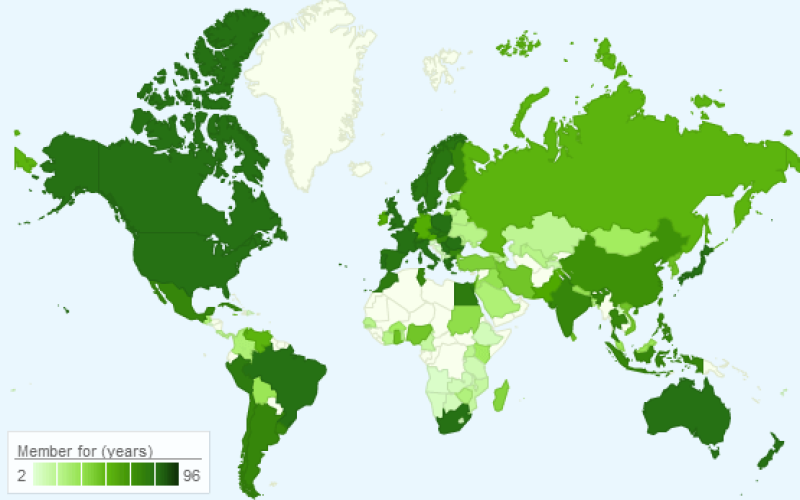
Map with the countries where reside the members of ICSU.

Currently there is a social and political controversy about the safety of of foods produced from genetically modified (GM) crops, however, in the scientific community there is no dispute or controversy regarding the safety of GM crops. To date, more than 2,000 scientific studies have assessed the safety of these crops in terms of human health and environmental impact. These studies together with several reviews performed on a case by case from regulatory agencies around the world, have enabled a solid and clear scientific consensus: GM crops have no more risk than those that have been developed by conventional breeding techniques.

The update shows that more than 280 scientific institutions and organizations recognize the safety of GM crops and their potential benefits. Interestingly a large part of these institutions are located in Europe, the continent that has put more obstacles to the commercialization of these crops. The countries with most organizations in favor of GM crops are Italy (23), United States (20), Spain (16) and Germany (11).

The GLP aggregated and excerpted this blog/article to reflect the diversity of news, opinion and analysis. Read full, original post: More than 240 organizations and scientific institutions support the safety of GM crops


{{ reviewsTotal }}{{ options.labels.singularReviewCountLabel }}
{{ reviewsTotal }}{{ options.labels.pluralReviewCountLabel }}
{{ options.labels.newReviewButton }}
{{ userData.canReview.message }}

Related Articles

Infographic: Global regulatory and health research agencies on whether glyphosate causes cancer

Infographic: Global regulatory and health research agencies on whether glyphosate causes cancer

Does glyphosate—the world's most heavily-used herbicide—pose serious harm to humans? Is it carcinogenic? Those issues are of both legal and ...

Most Popular

Screenshot-PM-24
Viewpoint: The herbicide glyphosate isn’t perfect. Banning it would be far worse.
d-b
Blocked arteries, kidney stones, nausea, constipation, fatigue: Long list of health problems caused by too much vitamin D 
79d03212-2508-45d0-b427-8e9743ff6432
Viewpoint: The Casey Means hustle—Wellness woo opportunism dressed up as medical wisdom
ChatGPT-Image-Mar-10-2026-01_39_01-PM
Viewpoint—“Miracle molecule” debunked: Why acemannan supplements don’t work
ChatGPT-Image-Mar-27-2026-11_27_05-AM
The myths of “process”: What science says about the “dangers’ of synthetic products and ultra-processed foods
ChatGPT-Image-Apr-30-2026-12_21_05-PM-2
The tech billionaires behind the immortality movement
ChatGPT-Image-Apr-30-2026-05_00_48-PM
Wellness grifter physician turned wellness influencer out as surgeon general nominee

Sorry. No data so far.

glp menu logo outlined

Get news on human & agricultural genetics and biotechnology delivered to your inbox.