Rise of synthetic biology demands better regulation, safety measures

The GLP aggregated and excerpted this blog/article to reflect the diversity of news, opinion and analysis. 

Targeted cancer treatments, toxicity sensors and living factories: synthetic biology has the potential to revolutionize science and medicine. But before the technology is ready for real-world applications, more attention needs to be paid to its safety and stability, say experts in a review article published in Current Opinion in Chemical Biology.

Synthetic biology has now reached a stage where it’s ready to move out of the lab and into the real world, to be used in patients and in the field. According to Professor Pamela Silver, one of the authors of the article from Harvard Medical School in the US, this move means researchers should increase focus on the safety of engineered microbes in biological systems like the human body.

“Historically, molecular biologists engineered microbes as industrial organisms to produce different molecules,” said Professor Silver. “The more we discovered about microbes, the easier it was to program them. We’ve now reached a very exciting phase in synthetic biology where we’re ready to apply what we’ve developed in the real world, and this is where safety is vital.”
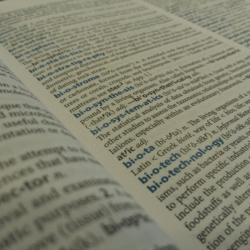
Microbes have an impact on health; the way they interact with animals is being ever more revealed by micro biome research — studies on all the microbes that live in the body — and this is making them easier and faster to engineer. Scientists are now able to synthesize whole genomes, making it technically possible to build a microbe from scratch.

Read full, original post: Synthetic biology needs robust safety mechanisms before real world application

Related Articles

Infographic: Global regulatory and health research agencies on whether glyphosate causes cancer

Infographic: Global regulatory and health research agencies on whether glyphosate causes cancer

Does glyphosate—the world's most heavily-used herbicide—pose serious harm to humans? Is it carcinogenic? Those issues are of both legal and ...

Most Popular

ChatGPT-Image-Mar-10-2026-01_39_01-PM
Viewpoint—“Miracle molecule” debunked: Why acemannan supplements don’t work
ChatGPT-Image-Sep-2-2026-02_03_32-PM
How much of a problem is AI’s water use?
ChatGPT-Image-Sep-22-2026-10_32_46-AM
There has been a slew of recent reports of food recalls and foodborne outbreaks. Do we face an escalating problem?
ChatGPT-Image-Aug-26-2026-12_46_16-PM
Viewpoint: The fake controversy over whether combining childhood vaccines is dangerous— a debate science resolved 25 years ago
Screenshot-2026-09-17-at-1.07.08-PM
'We are dangerously addicted to antidepressants': Should we heed RFK Jr.’s sobering warning?
ChatGPT-Image-Sep-23-2026-01_52_03-PM
Viewpoint: 4 very real AI doomsday scenarios
Screenshot-2026-09-03-at-10.51.20-AM
Viewpoint: Why do online health lies outlive the evidence that debunks them? Read "Everyone Else Is Lying to You"
Screenshot-2026-09-23-at-11.55.01-AM
How can we know if social media bans actually help teens?
Screenshot-2026-09-17-at-12.00.30-PM
Investigative group ProPublica finds links between ectopic pregnancy deaths and abortion bans
Screenshot-2026-09-23-at-3.15.09-PM
Anti-GMO activists in Pakistan rev up their campaign of dire warnings
Screenshot-2026-09-22-at-11.40.28-AM
After Idaho criminalized abortion providers in 2022, one-third of obstetricians fled. Health care advocates are making rural health the case for repealing the ban
Screenshot-2026-09-16-at-2.26.42-PM
Viewpoint: How to ecologically damage America’s forests: Ban glyphosate
ChatGPT-Image-Sep-23-2026-11_47_32-AM
Facing pressure from Trump administration, fewer hospitals offer medical treatment for transgender minors
glp menu logo outlined

Get news on human & agricultural genetics and biotechnology delivered to your inbox.