Genetically modified ‘micro pigs’ to be sold as pets in China

Screen Shot at AM

The GLP aggregated and excerpted this blog/article to reflect the diversity of news, opinion and analysis.

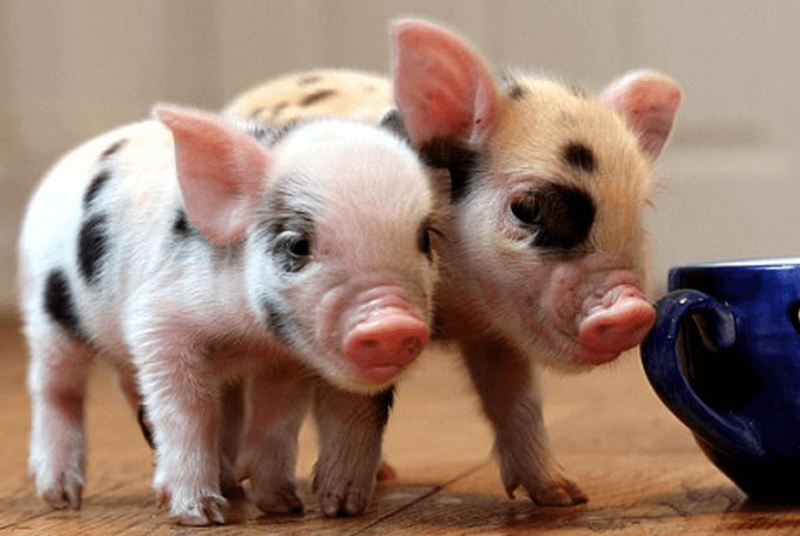
Cutting-edge gene-editing techniques have produced an unexpected byproduct — tiny pigs that a leading Chinese genomics institute will soon sell as pets.

BGI in Shenzhen, a genomics institute, originally created the micropigs as models for human disease. On 23 September, at the Shenzhen International Biotech Leaders Summit in China, BGI revealed that it would start selling the pigs as pets. The animals weigh about 15 kilograms when mature, or about the same as a medium-sized dog. The institute quoted a price tag of 10,000 yuan (US$1,600) for the micropigs.

With gene editing taking biology by storm, the field’s pioneers say that the application to pets was no big surprise. Some also caution against it.

How to regulate the various applications of gene-editing is an open question that scientists are already discussing with agencies across the world. BGI agrees on the need to regulate gene editing and says any profits from the sale of pets will be invested in this research.

Some researchers think that dogs or cats will be next up for genetic manipulation. Scientists and ethicists agree that gene-edited pets are not very different from conventional breeding. But that doesn’t make the practice a good idea, says Jeantine Lunshof, a bioethicist at Harvard, who describes both as “stretching physiological limits for the sole purpose of satisfying idiosyncratic aesthetic preferences of humans”.

Daniel Voytas, a geneticist at the University of Minnesota in Saint Paul, hopes that any buzz over gene-edited pets does not hamper progress in developing gene-editing techniques for alleviating human disease and creating new crop varieties.

Read full, original post: Gene-edited ‘micropigs’ to be sold as pets at Chinese institute

{{ reviewsTotal }}{{ options.labels.singularReviewCountLabel }}
{{ reviewsTotal }}{{ options.labels.pluralReviewCountLabel }}
{{ options.labels.newReviewButton }}
{{ userData.canReview.message }}

Related Articles

Infographic: Global regulatory and health research agencies on whether glyphosate causes cancer

Infographic: Global regulatory and health research agencies on whether glyphosate causes cancer

Does glyphosate—the world's most heavily-used herbicide—pose serious harm to humans? Is it carcinogenic? Those issues are of both legal and ...

Most Popular

Screenshot-2026-03-13-at-12.14.04-PM
The FDA wants to make many popular prescription drugs OTC—a great idea. Here’s why it’s unlikely to happen
Screenshot 2026-05-06 at 2.56
Singularity crisis ahead? Can super babies save us from rogue AI geniuses?
Screenshot-2026-04-20-at-2.26.27-PM
Viewpoint — Food-fear world: The latest activist scientists campaign: Cancer-causing additives
Screenshot-2026-05-04-at-12.54.32-PM
How Utah became the country’s supplement capital  — and a haven for unregulated, ineffective and fake products
Screenshot-PM-24
Viewpoint: The herbicide glyphosate isn’t perfect. Banning it would be far worse.
images
The never-ending GMO debate: Pros and cons
Screenshot-2026-05-01-at-11.56.24-AM
‘Science moves forward when people are willing to think differently’: Memories of DNA maverick Craig Venter
Screenshot-2026-04-03-at-11.15.51-AM
Paraben panic: How a flawed study, media hype, and chemophobia convinced the public of the danger of one of the safest classes of preservatives
Screenshot-2026-04-30-at-2.19.37-PM
5 myths about summer dehydration that could damage your health — or even kill you
79d03212-2508-45d0-b427-8e9743ff6432
Viewpoint: The Casey Means hustle—Wellness woo opportunism dressed up as medical wisdom
ChatGPT-Image-May-1-2026-02_20_13-PM
How RFK, Jr.’s false vaccine claims are holding up $600 million to fight diseases in poor countries
glp menu logo outlined

Get news on human & agricultural genetics and biotechnology delivered to your inbox.