Gene editing opens possibilities for improved livestock, but regulation controversies remain

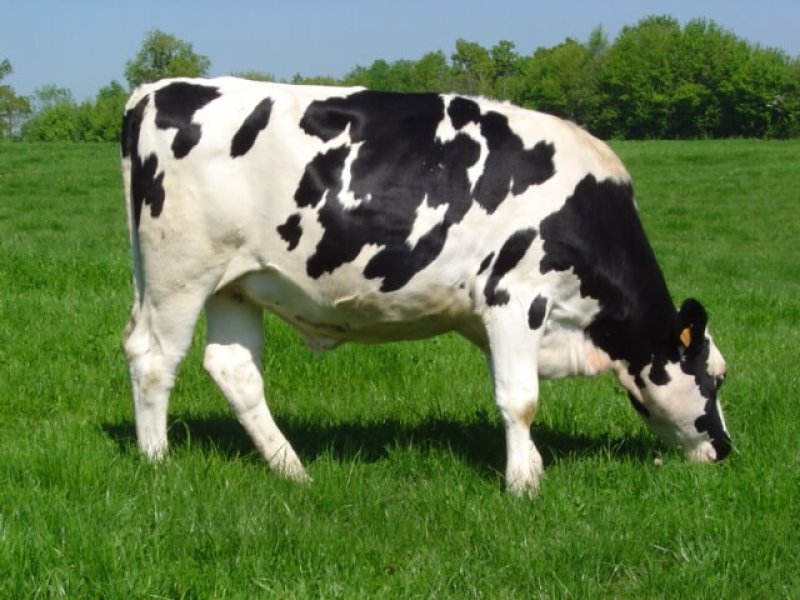
Holstein heifer
Photo by Tractorboy60

The GLP aggregated and excerpted this blog/article to reflect the diversity of news, opinion and analysis.

Other than the few small luxuries afforded them, like private access to a large patch of grass, there was nothing to mark the two hornless dairy calves born last spring at a breeding facility here as early specimens in a new era of humanity’s dominion over nature.

But unlike a vast majority of their dairy brethren, these calves, both bulls, will never sprout horns. That means they will not need to undergo dehorning, routinely performed by farmers to prevent injuries and a procedure that the American Veterinary Medical Association says is “considered to be quite painful.”

Instead, when the calves were both just a single cell in a petri dish, scientists at a start-up company called Recombinetics used the headline-grabbing new tools of gene editing to swap out the smidgen of genetic code that makes dairy cattle have horns for the one that makes Angus beef cattle have none. . . .

. . .Until recently, genetic engineering techniques used to manipulate DNA had been so imprecise as to make them too expensive and difficult to perform in many animals.

But the new techniques, collectively called “gene editing” to reflect the relative ease of their use, have made all manner of previously impossible or impractical goals sufficiently fast and cheap for many to find worth pursuing. . . .

Read full, original post: Open Season Is Seen in Gene Editing of Animals

{{ reviewsTotal }}{{ options.labels.singularReviewCountLabel }}
{{ reviewsTotal }}{{ options.labels.pluralReviewCountLabel }}
{{ options.labels.newReviewButton }}
{{ userData.canReview.message }}

Related Articles

Infographic: Global regulatory and health research agencies on whether glyphosate causes cancer

Infographic: Global regulatory and health research agencies on whether glyphosate causes cancer

Does glyphosate—the world's most heavily-used herbicide—pose serious harm to humans? Is it carcinogenic? Those issues are of both legal and ...

Most Popular

Screenshot-PM-24
Viewpoint: The herbicide glyphosate isn’t perfect. Banning it would be far worse.
79d03212-2508-45d0-b427-8e9743ff6432
Viewpoint: The Casey Means hustle—Wellness woo opportunism dressed up as medical wisdom
d-b
Blocked arteries, kidney stones, nausea, constipation, fatigue: Long list of health problems caused by too much vitamin D 
ChatGPT-Image-Mar-10-2026-01_39_01-PM
Viewpoint—“Miracle molecule” debunked: Why acemannan supplements don’t work
Screenshot-2026-04-30-at-11.33.46-AM
Anti-seed-oil to anti-vax pipeline: MAHA movement spreads to teen influencers
ChatGPT-Image-Apr-30-2026-05_00_48-PM
Wellness grifter physician turned wellness influencer out as surgeon general nominee
lab grown meat research kelly schultz lehighuniversity main
Profiles of the 10 top global cultured meat companies
ChatGPT-Image-Mar-27-2026-11_27_05-AM
The myths of “process”: What science says about the “dangers’ of synthetic products and ultra-processed foods
glp menu logo outlined

Get news on human & agricultural genetics and biotechnology delivered to your inbox.