Unable to sell GMO corn at home, Chinese biotech firm looks to US market

Ab food

The GLP aggregated and excerpted this blog/article to reflect the diversity of news, opinion and analysis.

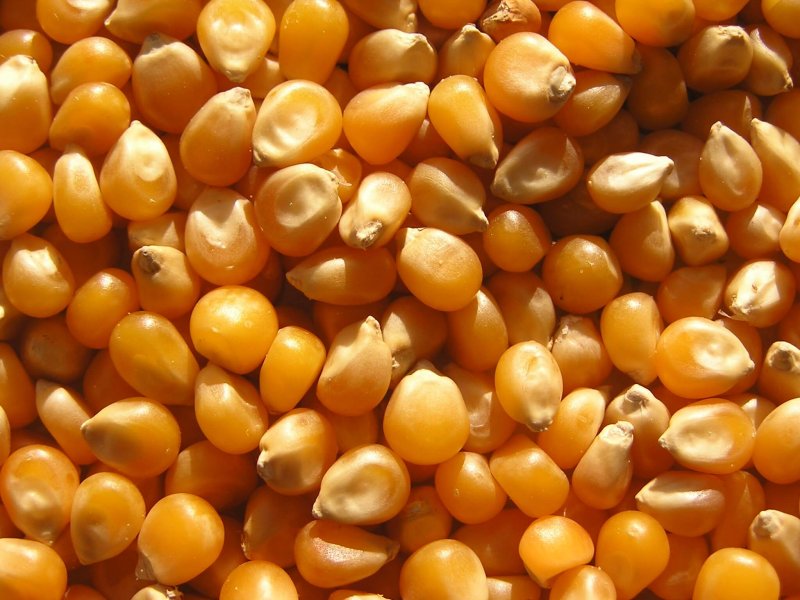
A Chinese biotech seed firm is aiming to launch the country’s first genetically modified corn products overseas on the home turf of the world’s top agricultural companies, as Beijing’s reticence over GMO food keeps the domestic market off limits.

The plan by Beijing-based Origin Agritech to test its technology in the United States, which has dominated the sector with GMO giants such as Monsanto, is the latest effort by a Chinese firm to enter the global industry.

. . . .

Beijing’s GMO policy has at times appeared inconsistent – billions of dollars have been spent on developing technology it hopes will ensure supplies for its 1.4 billion people, while no major food crops have been approved for cultivation given deep-seated anti-GMO sentiment in the country. Bumper harvests in the past decade have also reduced the urgency for new technologies.

“Consumer attitude is one thing, but the government attitude is even more important,” said Huang Dafang, professor at the Biotechnology Research Institute under the Chinese Academy of Agricultural Sciences. That leaves firms like Origin with few options to earn revenues from GMO products in China, he added.
U.S.-listed Origin has invested more than 300 million yuan ($46.90 million) in biotech since 2005 and, without an opportunity to market its product at home, it now plans to enter the United States in 2016, according to a presentation on the Securities and Exchange Commission website.

. . . .

But getting a foothold in such a highly competitive market will not be easy, experts warn.

Read full, original post: With China’s GMO sector in limbo, local seed firm targets U.S.

{{ reviewsTotal }}{{ options.labels.singularReviewCountLabel }}
{{ reviewsTotal }}{{ options.labels.pluralReviewCountLabel }}
{{ options.labels.newReviewButton }}
{{ userData.canReview.message }}

Related Articles

Infographic: Global regulatory and health research agencies on whether glyphosate causes cancer

Infographic: Global regulatory and health research agencies on whether glyphosate causes cancer

Does glyphosate—the world's most heavily-used herbicide—pose serious harm to humans? Is it carcinogenic? Those issues are of both legal and ...

Most Popular

Picture1
The FDA couldn’t find a vaccine safety crisis, so it buried its own research
ChatGPT-Image-Apr-16-2026-02_56_53-PM
Financial incentives, over diagnosis, and weak oversight: Autism claims are driving up Medicare costs
Screenshot-2026-05-19-at-11.23.34-AM
West-originated vaccine disinformation sparks murders of health care workers across Africa
Screenshot-2026-04-22-at-12.21.32-PM
Viewpoint: Why the retracted Monsanto glyphosate study doesn’t change the science—the world’s most popular herbicide is safe 
Screenshot-2026-05-08-at-11.55.47-AM
Anti-vax activists falsely blame COVID vaccines for the rising U.S. cancer rate among younger people.
ChatGPT-Image-May-12-2026-11_27_01-AM-2
AI likely to improve health care, research shows—but not for blacks and ethnic minorities
ChatGPT-Image-May-7-2026-12_32_36-PM
Viewpoint: The state of U.S. vaccine policy? Dismal nationally, but some states are stepping up.
modi visit sikkim
Viewpoint: Indian PM wants farmers to switch to 50% organic. It would take at least 10 years, likely won’t work, and isn’t more sustainable
Screenshot-2026-05-18-at-12.57.12-PM
Viewpoint—‘Technology is pulling us apart’: Environmental, political, and economic
Screenshot-2026-04-13-at-1.39.26-PM
Viewpoint: ‘Safer for children?’ Stonyfield yogurt under fire for deceptive organic marketing
glp menu logo outlined

Get news on human & agricultural genetics and biotechnology delivered to your inbox.