Is it wrong to ‘play God’ with human genome?

The GLP aggregated and excerpted this blog/article to reflect the diversity of news, opinion and analysis.

The announcement that scientists are to be allowed to edit the DNA of human embryos will no doubt provoke an avalanche of warnings from opponents of genetic modification (GM) technology, who will warn that we are โ€œplaying Godโ€ with our genes.

The opponents are right. We are indeed playing God with our genes. But it is a good thing because God, nature or whatever we want to call the agencies that have made us, often get it wrong and itโ€™s up to us to correct those mistakes.

Sadly, of the half a million or so babies that will be born in the UK this year, about 4% will carry a genetic or major birth defect that could result in an early death, or a debilitating disease that will cause misery for the child and their family. This research will eventually lead to technologies that could edit DNA in the same way that we can edit text โ€“ to correct the mistakes before the childโ€™s development goes to its final draft. Its successful implementation could reduce, and eventually eliminate, the birth of babies with severe genetic diseases.
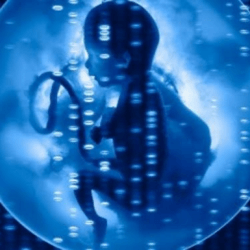
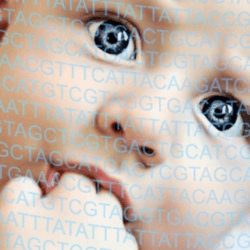
But our DNA is considered to be so special that the phrase โ€œitโ€™s in his/her DNAโ€ is said with the same sense of fatalism that our ancestors would have spoken of their fate or their soul. Anti-GM activists, many of whom are devout atheists, often insist that our DNA is somehow special, something donated to us by an all-powerful, wise and benevolent nature, which has taken Godโ€™s place as our creator.

Read full, original post:ย Genetic editing is like playing Godย โ€’ and what’s wrong with that?

{{ reviewsTotal }}{{ options.labels.singularReviewCountLabel }}
{{ reviewsTotal }}{{ options.labels.pluralReviewCountLabel }}
{{ options.labels.newReviewButton }}
{{ userData.canReview.message }}

Related Articles

Infographic: Global regulatory and health research agencies on whether glyphosate causes cancer

Infographic: Global regulatory and health research agencies on whether glyphosate causes cancer

Does glyphosateโ€”the world's most heavily-used herbicideโ€”pose serious harm to humans? Is it carcinogenic? Those issues are of both legal and ...

Most Popular

Screenshot-2026-05-01-at-1.29.41-PM
Viewpoint: What happens when whole grains meet modern food manufacturing? Labels donโ€™t tell the whole story.
S
As vaccine rejectionism spreads, measles may be taking a more dangerous turn
Screenshot 2026-05-06 at 2.56
Singularity crisis ahead? Can super babies save us from rogue AI geniuses?
Screenshot-2026-03-13-at-12.14.04-PM
The FDA wants to make many popular prescription drugs OTCโ€”a great idea. Hereโ€™s why itโ€™s unlikely to happen
Screenshot-2026-05-06-at-2.07.43-PM
Manufacturing a conspiracy: The timeline of howย  the White House embraced the fringe claim that scientists are being mysteriously murdered
Screenshot-2026-05-01-at-11.56.24-AM
โ€˜Science moves forward when people are willing to think differentlyโ€™: Memories of DNA maverick Craig Venter
Screenshot-2026-04-30-at-2.19.37-PM
5 myths about summer dehydration that could damage your health โ€” or even kill you
Screenshot-2026-04-20-at-2.26.27-PM
Viewpoint โ€” Food-fear world: The latest activist scientists campaign: Cancer-causing additives
Screenshot-2026-04-03-at-11.15.51-AM
Paraben panic: How a flawed study, media hype, and chemophobia convinced the public of the danger of one of the safest classes of preservatives
images
The never-ending GMO debate: Pros and cons
glp menu logo outlined

Get news on human & agricultural genetics and biotechnology delivered to your inbox.