Microbiome may spawn new drugs for range of conditions

human microbiome project x

The GLP aggregated and excerpted this blog/article to reflect the diversity of news, opinion and analysis.

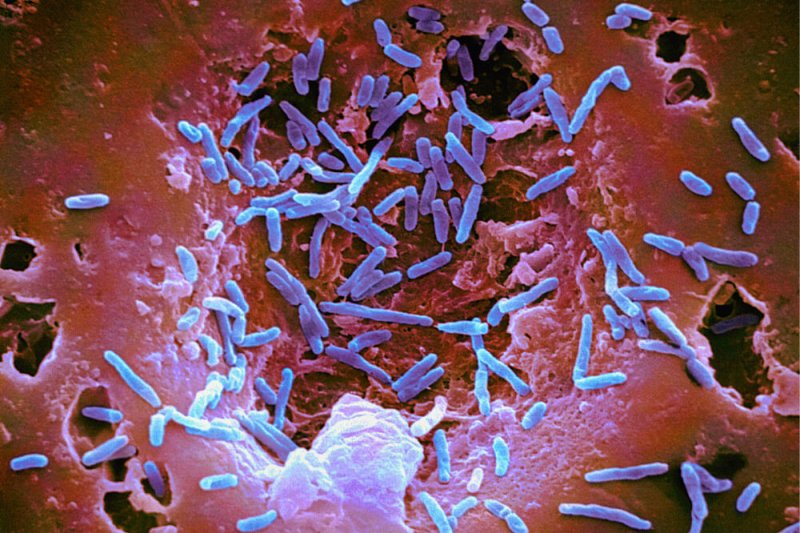
What function does your microbiome play in your health? The answer is still a mystery, but emerging scientific evidence suggests it could have implications for treating many chronic diseases. A new class of microbiome drugs in development could eventually be effective against a range of hard-to-treat disorders, including gastrointestinal, metabolic, immunologic, and even neurologic problems.

The microbiome is a complex ecosystem of microbes that live in and among your bodyโ€™s cells. It consists of distinct communities depending on where they live in the body. The microbe community in your mouth, for example, is different in compositionย fromย the one in your gut. Changes in the composition of the microbiomeโ€”for example, when pathogenic strains invade and push out โ€œgoodโ€ onesโ€”have been correlated with with many diseases.

Most of the initial drugs in development are aimed at the gut microbiome, which is due to โ€œsome combination of its importance to key diseases and sampling ease,โ€ says Peter DiLaura, CEO of San Francisco-based Second Genome. Tissue biopsies taken during colonoscopies and fecal samples are rich sources of information about the differences between the microbiomes of healthy and sick people.

Some companies, led by Seres Therapeutics, are developing and testingย drugs made of microbes. The idea is that adding carefully chosen species and strains of microbes can restore the gut microbiomeโ€™s healthy ecology, similar to the way fecal transplants are believed to work.

Read full, original post:ย Unraveling the Mysterious Function of the Microbiome

{{ reviewsTotal }}{{ options.labels.singularReviewCountLabel }}
{{ reviewsTotal }}{{ options.labels.pluralReviewCountLabel }}
{{ options.labels.newReviewButton }}
{{ userData.canReview.message }}

Related Articles

Infographic: Global regulatory and health research agencies on whether glyphosate causes cancer

Infographic: Global regulatory and health research agencies on whether glyphosate causes cancer

Does glyphosateโ€”the world's most heavily-used herbicideโ€”pose serious harm to humans? Is it carcinogenic? Those issues are of both legal and ...

Most Popular

Picture1-5
Science Disinformation Gap: The transatlantic battle over social media and censorship
Screenshot-2026-04-23-at-11.00.36-AM
Regulators' dilemma: Thalidomide, Metformin, and the cost of getting drug approvals wrong
ChatGPT-Image-May-12-2026-08_39_41-PM
GLP podcast: Big Pharma, Big Ag, Big Foodโ€”health harming industries or life-saving innovators?
ChatGPT Image May 10, 2026, 08_16_59 PM 2
Overmedicalization? RFK Jr.โ€™s antidepressant crackdown raises conflict questions over his fee stake in Wisner Baum, the tort firm built on suing drug makers
Screenshot-2026-05-12-at-9.58.31-PM
'He seems fine': Marty Makary out as FDA commissioner
Picture1-1
Cooling the planet with balloons: Could a geoengineering gamble slow global warming?
Screenshot-2026-05-12-at-10.05.11-AM
Pro-vaccine โ€œheroโ€ vs. an anti-vax โ€œvillainโ€: โ€˜Bad Vaxxโ€™ video stirs MAHA backlash
Picture1-14
When superbugs threaten vulnerable children: Can AI help solve antibiotic resistance?
Screenshot-2026-05-11-104424
Hantavirus outbreak research: Trump administration shut down study last year on rodent-to-human transmission
ChatGPT Image May 12, 2026, 10_19_00 AM 2
Viewpointโ€” 'Muscular governance': How authoritarianism is surging corporate-linked energy misinformation
S
As vaccine rejectionism spreads, measles may be taking a more dangerous turn
Screenshot-2026-05-01-at-1.29.41-PM
Viewpoint: What happens when whole grains meet modern food manufacturing? Labels donโ€™t tell the whole story.
Screenshot 2026-05-11 at 11.30
Despite politicized disinformation, Midwest AI data centers are fueling a solar energy boom
glp menu logo outlined

Get news on human & agricultural genetics and biotechnology delivered to your inbox.