Nanotechnology ‘cage’ makes cancer drug safer, more effective

The GLP aggregated and excerpted this blog/article to reflect the diversity of news, opinion and analysis.

BIND Therapeutics describes itself as bringing nanotechnology to cancer therapy, but with its new achievement a more colloquial description might be apt: The Cambridge-based biotech could help bring failed cancer drugs back from the dead — and all because of clever molecular packaging.

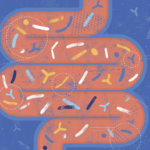
In a study reported in Science Translational Medicine, scientists from BIND joined forces with a team from AstraZeneca to take a cancer drug the British pharmaceutical company had essentially abandoned, encase it in a molecular cage called a nanoparticle, and give it to lab rodents implanted with human cancers. Compared to the uncaged drug, the nano-enclosed version was more effective and less toxic.


Countless cancer drugs have succeeded in lab rodents only to fail in people, so it’s premature to expect the nano-caged drug to work in patients as effectively and safely as it did in rats and mice. Only large human studies will show that. But the results, submitted to the journal last August, were encouraging enough that in October AstraZeneca launched a clinical trial of the caged drug, recruiting patients with advanced solid tumors at sites in Colorado, Florida, and Tennessee.

Read full, original post: Nano-caging gives a failed cancer drug new life

{{ reviewsTotal }}{{ options.labels.singularReviewCountLabel }}
{{ reviewsTotal }}{{ options.labels.pluralReviewCountLabel }}
{{ options.labels.noReviewsLabel }}
{{ options.labels.newReviewButton }}
{{ userData.canReview.message }}

Related Articles

Infographic: Global regulatory and health research agencies on whether glyphosate causes cancer

Infographic: Global regulatory and health research agencies on whether glyphosate causes cancer

Does glyphosate—the world's most heavily-used herbicide—pose serious harm to humans? Is it carcinogenic? Those issues are of both legal and ...

Most Popular

ChatGPT-Image-Mar-10-2026-01_39_01-PM
Viewpoint—“Miracle molecule” debunked: Why acemannan supplements don’t work
Screenshot 2026-07-11 094410
Growing animal muscle and fat cells inside rice grains and calling it beef: One of numerous genetically engineered products shaking up our ecosystem
Screenshot 2025-09-17 at 12.41
Misinformation alert: No, glyphosate use in Canadian forests is not spurring more wildfires
ChatGPT-Image-Jun-25-2026-12_23_17-PM
No, Bill Gates did not secretly engineer ticks to promote veganism
Screenshot 2026-07-16 at 8.49
Pete Hegseth’s bizarre Viagra commercial as Trump administration endorses ‘hormone replacement therapy’
Screenshot-2026-07-16-at-11.32.12-AM
Viewpoint: Trump appoints climate change hoax promoter to head influential government policy project
file-f-d-d-
Facts & Fallacies Podcast: Europe's AC debacle underscores fatal flaw in green activism
ChatGPT-Image-Jul-9-2026-02_39_22-PM
Viewpoint: Polyphenols or NAD+ supplements to combat aging: No, Gwenyth Paltrow and followers, don’t waste your money.
Screenshot-2026-07-16-at-6.02.54-PM
Wellness grifters overwhelm information channels in the developing world, and the problem is escalating

Sorry. No data so far.

glp menu logo outlined

Get news on human & agricultural genetics and biotechnology delivered to your inbox.