Piano-playing geneticist translates DNA into music

Screen Shot at AM

The GLP aggregated and excerpted this blog/article to reflect the diversity of news, opinion and analysis.

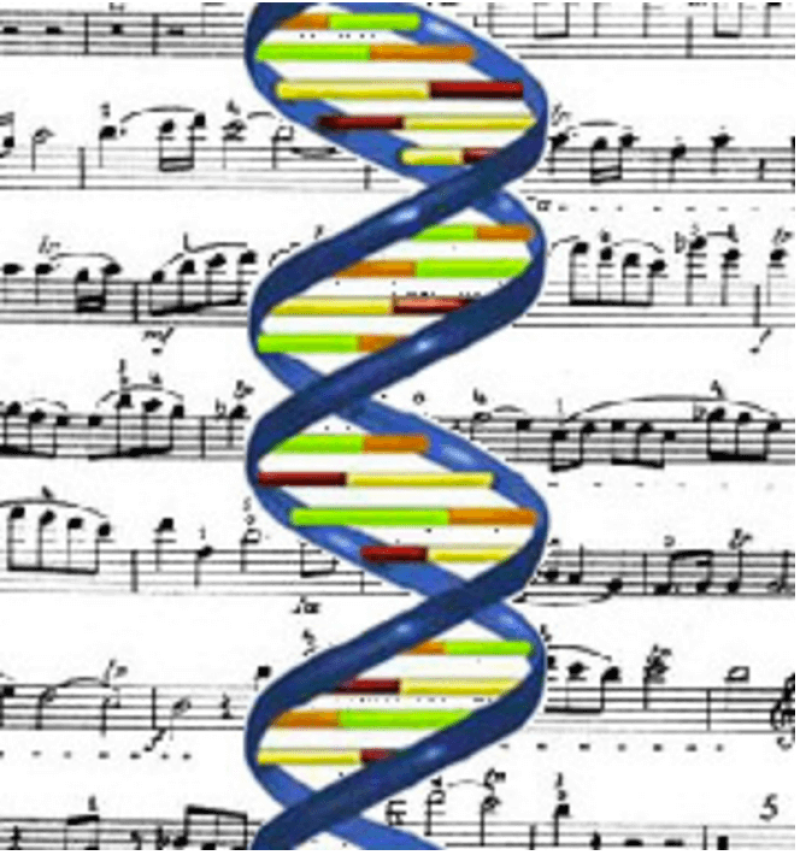
As an undergraduate at the University of California, Los Angeles (UCLA) in the mid-2000s, Rie Takahashi became so enthralled by science that she shelved her hopes of becoming a professional pianist. But she did have mixed feelings. โ€œI was torn,โ€ the contest-winning musician recalls. โ€œI grew up with classical music and piano, and wanted it to be an active part of my life. So I thought, wouldnโ€™t it be great to tie these two together?โ€

Takahashi soon got her chance. In an honors science and society seminar in the mid-2000s, molecular genetics professor Jeffrey H. Miller challenged his students to work on projects that might improve or contribute to society. โ€œI suggested to her that, since she had this unique ability, she tackle the problem of putting DNA sequences to music,โ€ says Miller.

Takahashiโ€™s wasnโ€™t the first effort to turn scientific information into musical notes. In the late 1970s, for example, jazz French horn player and Yale professor Willie Ruff and Yale geologist John Rodgers created the โ€œmusic of the spheresโ€ by turning the movement of the planets into melodies. Recent attempts in the life sciences to create music from scientific data have included compositions based on gene expression and epigenetics. Some researchers are seeking to craft pleasing musical arrangements. But there are aspirations for practical aims as well, such as spotting differences in gene sequences or helping the sight-impaired decipher data.

Read full, original post:ย Science and Culture: Musical Genes

{{ reviewsTotal }}{{ options.labels.singularReviewCountLabel }}
{{ reviewsTotal }}{{ options.labels.pluralReviewCountLabel }}
{{ options.labels.newReviewButton }}
{{ userData.canReview.message }}

Related Articles

Infographic: Global regulatory and health research agencies on whether glyphosate causes cancer

Infographic: Global regulatory and health research agencies on whether glyphosate causes cancer

Does glyphosateโ€”the world's most heavily-used herbicideโ€”pose serious harm to humans? Is it carcinogenic? Those issues are of both legal and ...

Most Popular

Screenshot 2025-07-30 at 10.48
Can gene editing eliminate Down syndrome? Scientists have done it in lab-grown cells
ChatGPT Image May 26, 2026, 08_42_17 AM (1)
Viewpoint: Greenpeace and poison: How environmental advocacy groups rely on compliant (and often ignorant) journalists to spread disinformation and spark litigation
Screenshot-2026-05-28-at-1.36.28-PM
Viewpoint: Can mRNA research survive the Trump administration?
ChatGPT-Image-May-26-2026-07_51_21-AM-2
Viewpoint: There are more than 1,000 chemicals in a cup of coffeeโ€”including many substances that can cause cancer. Why isnโ€™t it banned?
Screenshot 2025-11-18 at 3.45
Viewpointโ€”GMOs and sustainability: Why buying organic foods is the least environmentally-sensitive food choiceโ€”without offering any health benefits
ChatGPT-Image-Jun-2-2026-11_39_58-AM
Viewpoint: Who is RFK, Jr.โ€™s newly-appointed CDC senior counselor, Sara Brenner โ€” Vaccine skeptic and self-proclaimed โ€œMAHA momโ€
Picture1
Sounds we canโ€™t hear โ€” the hidden planetary signals behind science, fear, and misinformation
Screenshot-2026-06-02-at-11.59.11-AM
Magnifica Humanitas: Popeโ€™s encyclical broadside against AI naivete and overreach
ChatGPT Image May 28, 2026, 08_16_38 PM
Viewpoint: Why the EPA mismeasures cancer risk of chemicals and what should be done to fix it
tick-DNA
GLP podcast: Spread meat allergy with gene-edited ticks? Bioethicists pose vile โ€˜thought experimentโ€™
Screenshot-2026-04-14-at-11.11.06-AM
โ€˜Turbo cancerโ€™ or mRNA cancer cure? Strategies to counter misinformation
ChatGPT-Image-Mar-10-2026-01_39_01-PM
Viewpointโ€”โ€œMiracle moleculeโ€ debunked: Why acemannan supplements donโ€™t work
glp menu logo outlined

Get news on human & agricultural genetics and biotechnology delivered to your inbox.