Zika, pesticides, microcephaly shrouded in misinformed hysteria

zika

The GLP aggregated and excerpted this blog/article to reflect the diversity of news, opinion and analysis.

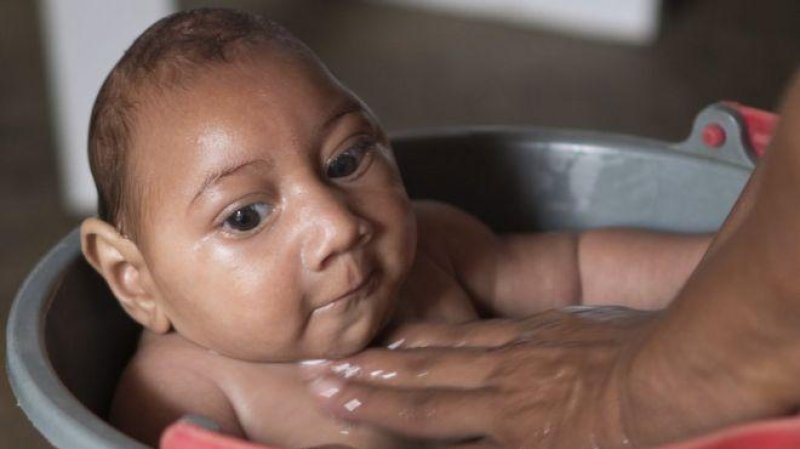
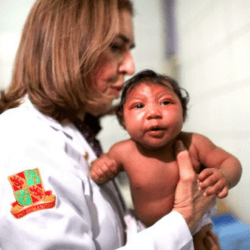
I recently published an article on reports by the Argentine doctors’ group, Physicians in the Crop-Sprayed Towns, and the Brazilian public health researchers’ group Abrasco, which raised the issue of the potential role of the larvicide pyriproxyfen in the apparent surge in babies born with birth defects involving abnormally small heads (microcephaly).

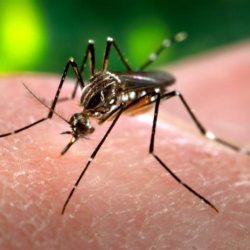
Pyriproxyfen is added to drinking water stored in open containers to interfere with the development of disease-carrying mosquitoes, thus killing or disabling them.

The Ecologist published a version of my article which, together with the original publication on GMWatch, quickly went viral, triggering a lot more media coverage.

This in turn met with a furious backlash involving what has seemed at times like a ‘shouting brigade’ condemning anyone who thinks the Argentine report worth taking seriously.

Yet at times this chorus of condemnation has been extraordinarily hypocritical, condemning the Argentine doctors as enemies of fact and accuracy while getting the most basic of facts wrong about what the doctors are actually suggesting.
Take, for instance, the Washington Post food columnist, Tamar Haspel. Haspel tweeted:”No, GMOs and pesticides aren’t the Zika culprits. Could we evaluate groups by how often they spread fact-free theories? A cred rating.”

Andrew Noymer, a social epidemiologist at the University of California, Irvine, replied:”Pesticide is not Zika culprit but it hasn’t been definitively ruled out as birth defect culprit. Got it? Good.”

In response to Noymer’s challenge, Haspel claimed that she was just using Zika as Twitter”shorthand” for microcephaly! Noymer retorted, “Well then you’re just misinformed.”

Read full, original post: Zika, microcephaly, and pesticides: half-truths, hysteria, and vested interests

{{ reviewsTotal }}{{ options.labels.singularReviewCountLabel }}
{{ reviewsTotal }}{{ options.labels.pluralReviewCountLabel }}
{{ options.labels.newReviewButton }}
{{ userData.canReview.message }}

Related Articles

Infographic: Global regulatory and health research agencies on whether glyphosate causes cancer

Infographic: Global regulatory and health research agencies on whether glyphosate causes cancer

Does glyphosate—the world's most heavily-used herbicide—pose serious harm to humans? Is it carcinogenic? Those issues are of both legal and ...

Most Popular

Screenshot-2026-04-20-at-2.26.27-PM
Viewpoint — Food-fear world: The latest activist scientists campaign: Cancer-causing additives
Screenshot-2026-03-13-at-12.14.04-PM
The FDA wants to make many popular prescription drugs OTC—a great idea. Here’s why it’s unlikely to happen
Screenshot-2026-05-04-at-12.54.32-PM
How Utah became the country’s supplement capital  — and a haven for unregulated, ineffective and fake products
Screenshot-2026-05-01-at-11.56.24-AM
‘Science moves forward when people are willing to think differently’: Memories of DNA maverick Craig Venter
Screenshot-2026-04-03-at-11.15.51-AM
Paraben panic: How a flawed study, media hype, and chemophobia convinced the public of the danger of one of the safest classes of preservatives
Screenshot-2026-04-30-at-2.19.37-PM
5 myths about summer dehydration that could damage your health — or even kill you
ChatGPT-Image-May-1-2026-02_20_13-PM
How RFK, Jr.’s false vaccine claims are holding up $600 million to fight diseases in poor countries
ChatGPT-Image-Mar-27-2026-11_27_05-AM
The myths of “process”: What science says about the “dangers’ of synthetic products and ultra-processed foods
Drinking lots of water can help reduce the effects of aging
Nanoplastics in drinking water: MAHA activists forge science-based bipartisan coalition 
viva-la-vida-watermelons
Misinformation and climate change are endangering summer watermelons
ChatGPT-Image-Mar-10-2026-01_39_01-PM
Viewpoint—“Miracle molecule” debunked: Why acemannan supplements don’t work
glp menu logo outlined

Get news on human & agricultural genetics and biotechnology delivered to your inbox.