The GLP aggregated and excerpted this blog/article to reflect the diversity of news, opinion and analysis.
[NEWS UPDATE: The Senate Agriculture Committee passed the Safe and Accurate Food Labeling Act, also known as SAFE, which would prevent states from passing mandatory food labeling laws for genetically modified organisms, including one such law scheduled to go into effect July 1 in Vermont. Fourteen members of the committee, including three Democrats, voted in favor of chairman Pat Roberts’ (R-Kansas) markup of the bill.]
Hotly contested legislation to block states from issuing their own mandatory labeling laws on genetically modified foods is before the Senate Agriculture Committee, [introduced March 1].
The committee had originally planned to discuss the draft bill, introduced by Chairman Pat Roberts (R-Kan.), last [February 25] but had to delay.
The proposed legislation requires the Agriculture secretary to establish a national voluntary labeling standard for bioengineered foods, those that include genetically modified organisms (GMOs) as ingredients. It’s similar to the Safe and Accurate Food Labeling Act of 2015 that passed the House in June.
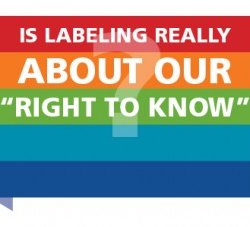
Consumer groups are outraged and ready to fight a bill they say keeps Americans in the dark about what they are eating.
More than 2,000 chefs and food professionals from 37 states, including celebrity chef Tom Colicchio, a judge on Bravo’s “Top Chef,” have signed a petition from Food Policy Action urging the Senate to reject any attempt to prevent the mandatory labeling of foods made with GMOs.


. . . .
Proponents of the legislation, however, say a voluntary solution is needed to prevent a patchwork of state laws that would inevitably drive up food prices.
The Coalition for Safe and Affordable Food says Congress can’t allow states like Vermont to implement unprecedented labeling laws.
. . . .
Read full, original post: Week ahead: Fight brews over GMO labeling bill