Did Monsanto doom GMOs in public mind by tying them to pesticides?

The GLP aggregated and excerpted this blog/article to reflect the diversity of news, opinion and analysis.

. . .[W]ho thinks of genetically engineered food as green? Hardly anyone, thanks to the archaic and greedy Monsanto strategy. The companies that owned GMO technology to modify seeds did not want to gamble on losing profits from their pesticides and herbicides to “go green.”

Instead, they tied new GMO technology to their old businesses and delayed what should have been the next big leap in agriculture—environmentally friendly genetic engineering. Genetics was and is the answer to the question of how to be environmentally friendly while producing the amount of food we need to survive.

. . . .

Enjoy bananas, pears, asparagus, or coffee? All are at grave risk from microbial diseases. Do you find rice, wheat, or corn tasty? So do fungi. Genetic engineering is our best weapon to fight plant predators, protect our crops, and reduce the use of toxic chemicals.
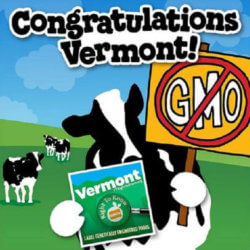
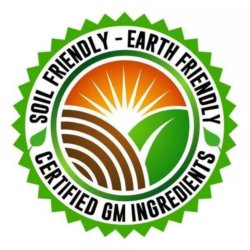
Labeling? Well Monsanto has been fighting it for the better part of two decades. It has plenty of company from its fellow corporate giants Pepsico, Coca-Cola, Dow Chemical, . . . As a result, only one state, Vermont, has a labeling law, and the public is so convinced genetic engineering is risky that no one wants to admit they use it.

But if gene editing has the potential to make a greener agriculture, more nutritious, abundant food, and animals that can better fight off diseases (including Zika)—why not label? In fact, label prominently. Use a big, bright, hard-to-miss DNA double-helix with a happy face on it. . . .

Read full, original post: The Grave Consequences of Fearing GMOs

{{ reviewsTotal }}{{ options.labels.singularReviewCountLabel }}
{{ reviewsTotal }}{{ options.labels.pluralReviewCountLabel }}
{{ options.labels.noReviewsLabel }}
{{ options.labels.newReviewButton }}
{{ userData.canReview.message }}

Related Articles

Infographic: Global regulatory and health research agencies on whether glyphosate causes cancer

Infographic: Global regulatory and health research agencies on whether glyphosate causes cancer

Does glyphosate—the world's most heavily-used herbicide—pose serious harm to humans? Is it carcinogenic? Those issues are of both legal and ...

Most Popular

Screenshot-2026-07-09-at-1.09.25-PM
Anti-vaccine myths rattle health care
ChatGPT-Image-Mar-10-2026-01_39_01-PM
Viewpoint—“Miracle molecule” debunked: Why acemannan supplements don’t work
Screenshot 2026-07-28 at 3.22
Hidden hunger: Climate change is speeding up the decline of important nutrients in our food
Screenshot 2026-07-22 at 1.38
Viewpoint: Are the U.S. and Europe headed towards a repudiation of agricultural biotechnology red tape?
Screenshot 2026-07-28 at 3.03
What is cyberchondria?
Screenshot 2026-07-28 at 2.04
Viewpoint: How AI supercharges conspiracy theories and oversimplifications to distort online health information
png-terrace-Farm-asia
Europe’s tentative embrace of agricultural gene editing could revolutionize food production and health in Asia
ChatGPT-Image-May-26-2026-11_51_01-AM
Viewpoint: RFK, Jr.’s depressingly misguided (and litigator-funded) crusade against antidepressants
organic scaled
Facts & Fallacies podcast: Organic food cuts pesticide exposure? A response to Dr. Rhonda Patrick
ChatGPT-Image-Jul-9-2026-11_33_49-AM
Viewpoint: High-dose resveratrol supplements to extend health and life? Don’t waste your money.
Screenshot-2026-07-27-at-3.23.14-PM
Prioritizing AI, robotics, and nuclear energy: Trump administration is guiding research funding away from independent universities to private companies
ChatGPT-Image-Jun-25-2026-12_23_17-PM
No, Bill Gates did not secretly engineer ticks to promote veganism
Screenshot 2026-07-27 at 6.15
No test, no tennis: Women’s Tennis Association becomes first major female sports league to require genetic sex testing
glp menu logo outlined

Get news on human & agricultural genetics and biotechnology delivered to your inbox.