The GLP aggregated and excerpted this blog/article to reflect the diversity of news, opinion and analysis.
It was March 26, 2002, when NDA I, under the visionary leadership of then PM Atal Bihari Vajpayee, took a bold decision. It approved the use of genetically modified (GM) seeds of cotton. . . .
What were the results? India witnessed an astounding revolution in the cotton sector. . . Cotton production shot up from 14 million bales in 2000-01 to 39 million bales in 2014-15, a 178 per cent increase . . . . From a net importer in 2000-01, India became a net exporter . . . in 2014-15 as well as the largest producer. . .
. . . .
Interestingly, while Atalji’s vision sowed the seeds of this revolution, Gujarat under then CM Narendra Modi harvested the largest fruit. From 2001-02 to 2013-14, Gujarat’s agriculture grew at 9.7 per cent per annum, spearheaded by cotton. . . .
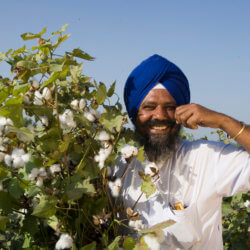



However, today, as PM Modi leads NDA 2, the government is becoming control-centric in Bt cotton seeds pricing, including trait fees between the parent company (Mahyco Monsanto Biotech Ltd) and licensee companies, which have entered into private contracts. This would be the first death-knell for the cotton revolution. . . .
What will happen now? Most probably, the case will go into litigation. . . . This one will hit India’s credibility in protecting IPR and. . . global seed companies feel hesitant in bringing their latest technologies to India precisely for this reason. Our public research is pitiable. . . It’s clear that future agri-wonder seeds are going to increasingly come from global private players, and India must learn to acquire them amicably. . . .
If Monsanto decides to quit India, Bollgard III may not come, and Bollgard II will wear off its potency in the next three to five years. The cotton revolution will be buried forever and the biggest losers will be Indian farmers. Is this what the Modi government wants? Only the PM knows.
Read full, original post: Heading backwards