
Why do disease outbreaks inspire conspiracy theories?

images
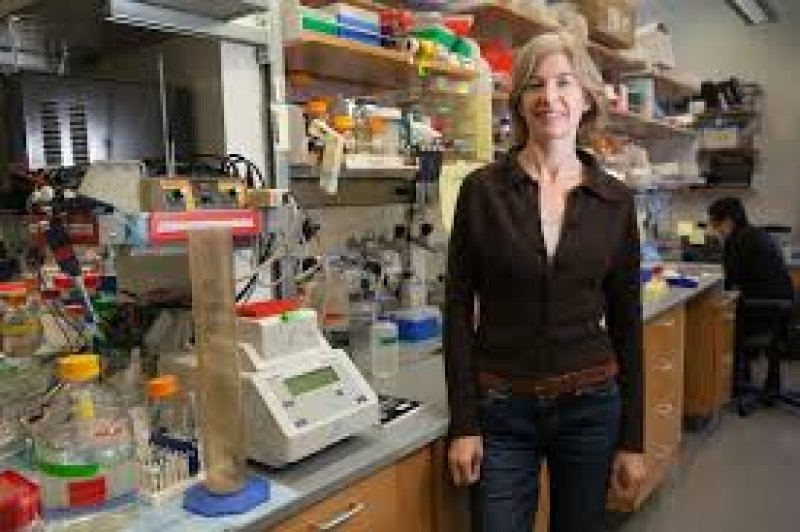
Dr. Jennifer Doudna, one of the key researchers in the discovery of CRISPR

The GLP aggregated and excerpted this blog/article to reflect the diversity of news, opinion and analysis.

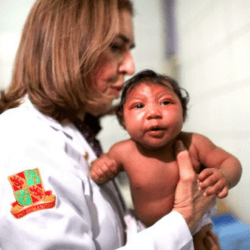
The story of the Zika outbreak has been one of uncertainty, with constant new discoveries at every turn. The virus very likely causes neurological complications like Guillain-Barré and the birth defect microcephaly, for example, but scientists aren’t 100 percent sure. It has only recently been linked to inflammation of the brain and spinal cord.

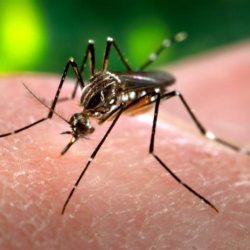
But for all Zika’s mysteries and surprises, we can safely say that it was not caused by genetically modified mosquitoes, that microcephaly cases aren’t a result of larvicides used to kill mosquitoes in water, and that the outbreak is not an attempt at population control by Bill Gates.

The outbreak, it seems, has created a breeding ground not just for the virus, but for conspiracy theories, which have hovered over the chaos of past epidemics as well. In 2014, for example, a Liberian newspaper accused the United States of using Ebola as a bioweapon. During the 2003 SARS outbreak, a couple of Russian medical experts speculated that the virus seemed to be man-made, which of course led conspiracy theorists down the bioweapon path again.
Is there something about these outbreaks of emerging diseases that makes them such fertile soil for conspiracies to grow in?

“There’s a group of people out there who have what we might call a conspiracy mentality,” says Joseph Uscinski, an associate professor of political science at the University of Miami, and author of American Conspiracy Theories.

Read full, original post: An Outbreak of Conspiracy Theories

Related Articles

Infographic: Global regulatory and health research agencies on whether glyphosate causes cancer

Infographic: Global regulatory and health research agencies on whether glyphosate causes cancer

Does glyphosate—the world's most heavily-used herbicide—pose serious harm to humans? Is it carcinogenic? Those issues are of both legal and ...

Most Popular

Screenshot-2026-10-12-at-10.44.38-AM
Widely condemned as unethical, hepatitis B vaccine study funded by RFK Jr’s CDC gets a final greenlight
Open-Menthol-Cigarette-Pack
How the tobacco industry conspired with conservative activists to kill the Biden administration’s proposed ban on menthol cigarettes 
Cross and Syringe Standoff
Viewpoint: Hijacking Jesus: How anti-vaccine fanatics are exploiting religious exemptions and killing children
ChatGPT-Image-Mar-10-2026-01_39_01-PM
Viewpoint—“Miracle molecule” debunked: Why acemannan supplements don’t work
Screenshot-2026-10-11-at-10.24.21-AM
Viewpoint: RFK Jr.’s new CDC head Erica Schwartz greenlights hepatitis B vaccine study critics call “unethical and designed to cast doubts on its safety”
Caution-Taped-Fresh-Produce-Aisle
Should we be afraid of our food?
Screenshot-2026-10-12-at-12.18.57-PM
5 deaths, 1,000 reported cases: These horrific numbers underestimate the consequences of the anti-vax movement
Profile and Vaccination Portraits
Convinced COVID shots cause widespread harm, Kennedy plans federal initiative to incentivize doctors to report alleged injuries
Personalized-Cancer-mRNA-Vaccine-Vial
Personalized mRNA vaccines are poised to revolutionize cancer treatments. Here are the barriers.
Screenshot-2026-10-05-at-11.57.44-AM
Scaremongering or legitimate safety concerns? The political dogfight over America’s food safety system
Screenshot 2026-10-12 at 12.25
Tearful onions? CRISPR has a solution for that
Deepfake Democracy Media Mosaic
31 states have passed a patchwork of laws to limit election deepfake commercials. They’re not working very well.
glp menu logo outlined

Get news on human & agricultural genetics and biotechnology delivered to your inbox.





















