India GMO debate: Mustard poses no health or biodiversity risks

Screen Shot at AM
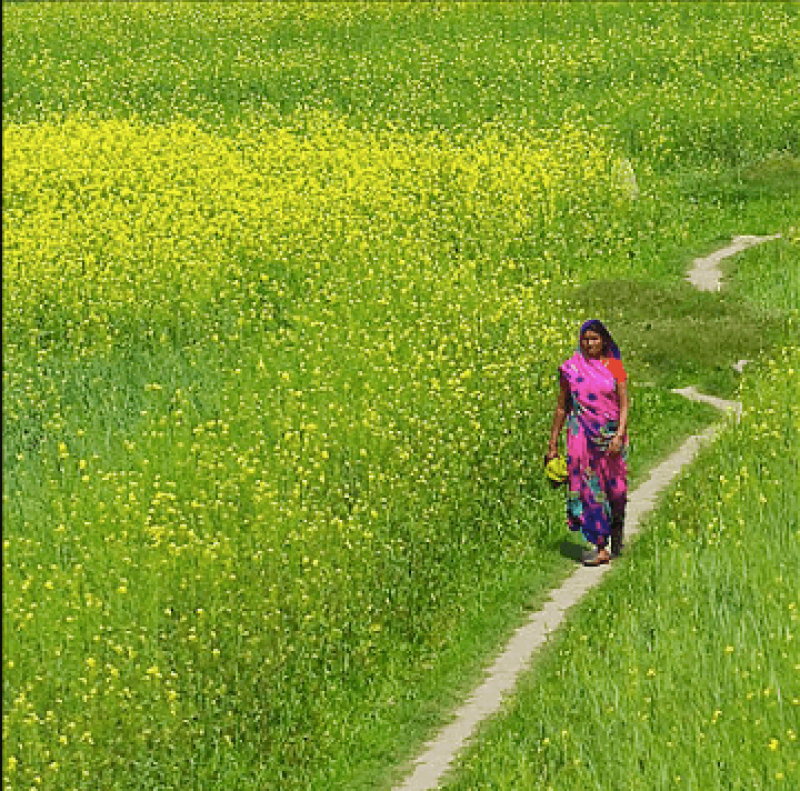
Woman in a field of mustard, India. Photo by Jack Wickes/Flickr

The GLP aggregated and excerpted this blog/article to reflect the diversity of news, opinion and analysis.

Since transgenic mustard began to be evaluated for commercial release in India, an acrimonious debate has broken out on the pros and cons of the technology. A major flashpoint in this debate has been biosafety. Opponents. . . insist that the new genes it brings into our food supply . . .could trigger unforeseen short- and long-term toxic reactions in the people who eat them. . Environmentalist groups have also argued that transgenic mustard is a big threat to Indian mustard biodiversity. . . .

. . . . Can it hurt human health? Will it really be the ruin of Indian mustard varieties?  The answer to both these questions is: unlikely.

One reason to expect the three genes used in transgenic mustard to be safe is that they aren’t actually new at all. Bar, barnase and barstar, as they are called, have been in the human food-chain for around two decades now. . . .

If toxicity to humans is a worry among opponents of transgenics, the fear of harm to local mustard varieties is a bigger one. Environmental groups have argued that India is a centre of diversity for mustard. . . .A transgenic crop that can cross with these local varieties could endanger them, thus hurting biodiversity, they say.

. . . .

. . . .For either possibility to occur, a number of pre-conditions have to be met: the wild and cultivated crop have to be easily crossable. . .and the cultivated crops must transfer traits that are also beneficial in the wild. These are tough conditions to fulfil.

And mustard doesn’t fulfil many of them.

Read full, original post: Why Transgenic Mustard is Unlikely to Hurt You or Your Environment

{{ reviewsTotal }}{{ options.labels.singularReviewCountLabel }}
{{ reviewsTotal }}{{ options.labels.pluralReviewCountLabel }}
{{ options.labels.newReviewButton }}
{{ userData.canReview.message }}

Related Articles

Infographic: Global regulatory and health research agencies on whether glyphosate causes cancer

Infographic: Global regulatory and health research agencies on whether glyphosate causes cancer

Does glyphosate—the world's most heavily-used herbicide—pose serious harm to humans? Is it carcinogenic? Those issues are of both legal and ...

Most Popular

79d03212-2508-45d0-b427-8e9743ff6432
Viewpoint: The Casey Means hustle—Wellness woo opportunism dressed up as medical wisdom
Screenshot-PM-24
Viewpoint: The herbicide glyphosate isn’t perfect. Banning it would be far worse.
ChatGPT-Image-Mar-27-2026-11_27_05-AM
The myths of “process”: What science says about the “dangers’ of synthetic products and ultra-processed foods
Screenshot-2026-04-03-at-11.15.51-AM
Paraben panic: How a flawed study, media hype, and chemophobia convinced the public of the danger of one of the safest classes of preservatives
Screenshot-2026-05-01-at-11.56.24-AM
‘Science moves forward when people are willing to think differently’: Memories of DNA maverick Craig Venter
ChatGPT-Image-Mar-3-2026-01_17_14-PM
MAHA wellness influencers deride proven anxiety medications, tout lifestyle fixes
ChatGPT-Image-Mar-10-2026-01_39_01-PM
Viewpoint—“Miracle molecule” debunked: Why acemannan supplements don’t work
ChatGPT-Image-Apr-30-2026-12_21_05-PM-2
The tech billionaires behind the immortality movement
d-b
Blocked arteries, kidney stones, nausea, constipation, fatigue: Long list of health problems caused by too much vitamin D 
Screenshot-2026-04-30-at-12.49.48-PM
‘Alarming’: Nicotine’s wellness rebranding
glp menu logo outlined

Get news on human & agricultural genetics and biotechnology delivered to your inbox.