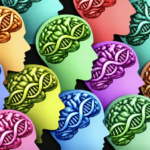
Neuroscientists create ‘brain in a dish’ to study human intelligence, language

Screen Shot at AM

The GLP aggregated and excerpted this blog/article to reflect the diversity of news, opinion and analysis.

A team from Johns Hopkins Medical School and Nanjing University has just created a microcosm of the cerebral cortex that fits inside a lab dish. The “cortex in a dish” consists of an interwoven mesh of neurons that transmit electrical signals and other cells that damp down this activityThe cultured neurons may expand the toolkit needed to lift neurological and psychiatric drug development out of its present rut.

Scientific American talked with Valina Dawson, co-director of the Institute for Cell Engineering at Johns Hopkins University School of Medicine, about a paper published April 6 in Science Translational Medicine on which she was the senior author.

Describe what a ‘cortex in a dish’ is?

Valina Dawson: The brain is divided into different structures and regions. The cerebral cortex is the largest part of the brain and manages higher brain functions such as thought and actions, language, sensory processing such as hearing and vision. One way to study how the neurons in the cortex function is to grow them in culture, “in a dish.”


Why have researchers wanted to create this laboratory model of the cortex?

VD: Having human neurons in culture allows experimental investigations into signaling events at the chemical, protein and genetic levels that underlie normal and diseased actions in a manner that would not be possible or ethical in an intact human brain. Understanding how the neurons in the cortex work and what goes wrong when disease occurs will provide, we hope, new therapeutic opportunities to treat patients who suffer from brain injury and disease.

Read full, original post: A Q&A With the Scientist Who Helped Create the “Cortex in a Dish” System

Related Articles

Infographic: Global regulatory and health research agencies on whether glyphosate causes cancer

Infographic: Global regulatory and health research agencies on whether glyphosate causes cancer

Does glyphosate—the world's most heavily-used herbicide—pose serious harm to humans? Is it carcinogenic? Those issues are of both legal and ...

Most Popular

ChatGPT-Image-Mar-10-2026-01_39_01-PM
Viewpoint—“Miracle molecule” debunked: Why acemannan supplements don’t work
Screenshot-2026-10-02-at-9.11.36-AM
The genetics of personality
Supreme-Court-Amid-Climate-Crisis
Should fossil fuel companies be shielded from lawsuits over climate change damage? The Supreme Court takes up the question
Screenshot-2026-10-06-at-2.36.47-PM
Is organic farming really more sustainable? 100 recent studies say ‘no’
Screenshot 2025-09-17 at 12.41
Jump-starting global warming: Rising temperatures are driving up emissions from wildfires, fermenting wetlands, and melting permafrost
Radioactive-Americana-Collage-2
The kooky logic behind the raft of spurious cancer claims from Harvard’s T.H. Chan School of Public Health
Screenshot-2026-09-28-at-11.26.17-AM
Viewpoint: Wellness movement activists reposition nicotine from a killer addictive drug into a cure-all for brain ills
Kind-People-Kind-Futures-Hands
Patches for sleep, weight, NAD+, energy, focus, periods. No evidence to support the latest social media wellness scams
strand of dna genetics
No, GMO foods do not “damage genes, natural disposition and hormones, or decrease physical health and intelligence”
Childrens-Health-Defense-Press-Briefing
Court links patient’s death to anti-vaccine doctor promoted by Kennedy’s Children’s Health Defense
Screenshot-2026-09-22-at-10.54.12-AM
‘They misunderstand science’: Research attempting to tie autism to changes in the gut microbiome comes under fire
Screenshot-2026-10-02-at-8.56.38-AM
Trump finalizes Medicare drug price cuts, drawing Big Pharma’s fury and a legal challenge
glp menu logo outlined

Get news on human & agricultural genetics and biotechnology delivered to your inbox.