The GLP aggregated and excerpted this blog/article to reflect the diversity of news, opinion and analysis.
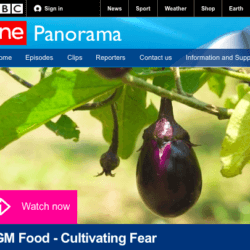
The BBC has dismissed complaints by anti-GMO activists that its Panorama film ‘GM Food: Cultivating Fear‘ (non-UK viewers can watch it here or here), broadcast in June 2015, was biased and inaccurate. In a lengthy judgement just published (pdf), the BBC’s highest complaints body, the Editorial Standards Committee (ESC) of the BBC Trust, found that all the complaints made about the programme were without merit.
According to the ESC report,
Two complainants contacted the BBC to complain that an edition of Panorama about the new generation of GM foods misled the audience by making a claim of success for a GM aubergine crop which is not supported by the evidence.
. . . .
. . . .The judgement is worth reading in full because it provides a forensic and lengthy examination of each issue that GM Watch sought to highlight and shows how the claims of the anti-GMO activists in this case are without foundation.




(I should state at the outset that I have an interest here: I was a contributor to the Panorama programme. . . and my name appears on a number of occasions in the ESC report, as you will see below.)
. . . .
It is clear to me in reading the ESC report that it was not Panorama that exhibited bias on the GMO issue – it is GM Watch, a fringe group that remains implacably and ideologically opposed to a pesticide-reducing crop demonstrably improving the livelihoods of small farmers in Bangladesh.
Read full, original post: BBC dismisses anti-GMO activist complaints over Panorama film’s portrayal of Bangladesh Bt brinjal project