Could human genome editing threaten sense of identity?

The GLP aggregated and excerpted this blog/article to reflect the diversity of news, opinion and analysis.

In February 2016, the UK’s first licence to use CRISPR/Cas9 genome-editing techniques in human embryo research was granted to Dr Kathy Niakan of the Francis Crick Institute, London. The decision sparked further debate on this controversial topic.

While the technology allows for precise ‘editing’ of the human genome at the single nucleotide level – signalling its potential to eradicate inheritable diseases – the attendant social, ethical and legal implications of the technology are complex. While the licence granted to Dr Niakan is limited (transfer of the edited embryos for gestation is strictly prohibited under its terms), the decision to grant the license in the first place was interpreted by some as the first step towards permitting so-called ‘genetically modified’ babies, as well as a permanent modification of the human germline.
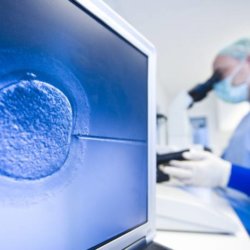
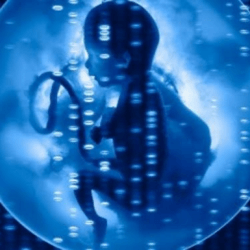
One objection, which lies at the very heart of the genome-editing debate, focuses on the physical and symbolic relationship of our genetic make-up to our sense of identity. Unlike prenatal testing or pre-implantation genetic diagnosis (PGD), which rely on the principles of detection, selection and/or elimination of embryos or fetuses affected by genetic diseases, genome editing is so controversial because, when used on a mass scale, it has the potential to entirely remove particular genetic diseases from the human germline.

Read full, original post: Identity, disability and the genome

Related Articles

Infographic: Global regulatory and health research agencies on whether glyphosate causes cancer

Infographic: Global regulatory and health research agencies on whether glyphosate causes cancer

Does glyphosate—the world's most heavily-used herbicide—pose serious harm to humans? Is it carcinogenic? Those issues are of both legal and ...

Most Popular

ChatGPT-Image-Mar-10-2026-01_39_01-PM
Viewpoint—“Miracle molecule” debunked: Why acemannan supplements don’t work
Screenshot-2026-10-12-at-10.44.38-AM
Widely condemned as unethical, hepatitis B vaccine study funded by RFK Jr’s CDC gets a final greenlight
Open-Menthol-Cigarette-Pack
How the tobacco industry conspired with conservative activists to kill the Biden administration’s proposed ban on menthol cigarettes 
Personalized-Cancer-mRNA-Vaccine-Vial
Personalized mRNA vaccines are poised to revolutionize cancer treatments. Here are the barriers.
Screenshot-2026-10-12-at-12.18.57-PM
5 deaths, 1,000 reported cases: These horrific numbers underestimate the consequences of the anti-vax movement
Cross and Syringe Standoff
Viewpoint: Hijacking Jesus: How anti-vaccine fanatics are exploiting religious exemptions and killing children
Screenshot-2026-10-11-at-10.24.21-AM
Viewpoint: RFK Jr.’s new CDC head Erica Schwartz greenlights hepatitis B vaccine study critics call “unethical and designed to cast doubts on its safety”
Caution-Taped-Fresh-Produce-Aisle
Should we be afraid of our food?
Dissolving-Tablets-in-Waves
Viewpoint: How the anti-abortion movement twists medical facts and promotes science misinformation
Screenshot-2026-09-22-at-10.54.12-AM
‘They misunderstand science’: Research attempting to tie autism to changes in the gut microbiome comes under fire
MAHA-MOMS-Supporters-at-the-Rally
Viewpoint: How 'MAHA men' hijacked the female-built food and wellness movement
Executive-Greeting-in-a-Futuristic-Boardroom
Viewpoint: RFK Jr. touts AI to guide health care…but searches using the technology he champions expose him as scientifically illiterate
glp menu logo outlined

Get news on human & agricultural genetics and biotechnology delivered to your inbox.