The GLP aggregated and excerpted this blog/article to reflect the diversity of news, opinion and analysis.
The triumph of purist ideology over compassion and science means suffering and death for organic farm animals across America.
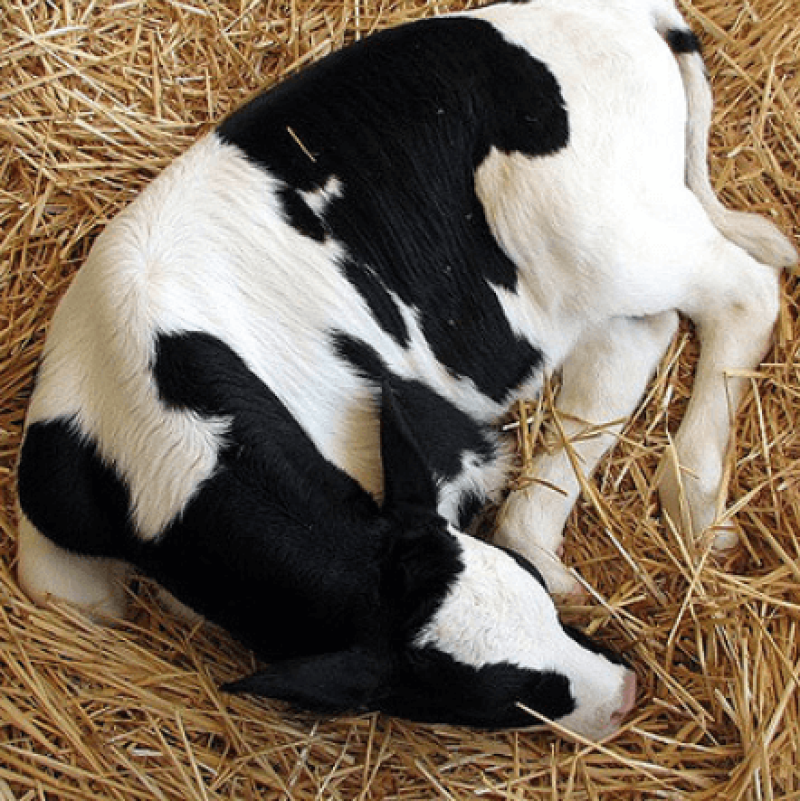
The week-old dairy calf. . . lay on a barn floor, her long-lashed eyes rolled back. . . The next morning, when I went to help my neighbor with his newborns, the calf was dead.
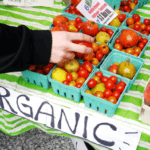
USDA regulations defining organic standards mandate that if this calf had gotten one dose of antibiotics. . . . she could never give organic milk. . . even though neither she nor her milk would retain any trace of antibiotics.
Farmers are not generally callous or cruel, but neither are they sentimental. . . . and loss of organic status factors into a farmer’s decision. After all, antibiotics don’t always work, and sometimes animals recover without them. So decent farmers wait while an animal suffers. . .
. . . .
While some European and Canadian organic regulations are tighter, farmers there can administer therapeutic antibiotics as long as the animal is treated rarely, and is withdrawn from meat or milk production for twice the time the drug remains in its system.

Some organic proponents now quietly recognize that the 100 percent ban on antibiotics needs to be re-examined, especially in light of a growing move to incorporate animal welfare into the discussion.
Others remain pure. Allowing one-time therapeutic antibiotics is “a slippery slope,” says Ronnie Cummins, national director of the Organic Consumers Association, and would “undermine consumer confidence in organics. It’s the same position [I have] as on human vaccines. They are dangerous, and that’s why I didn’t vaccinate my kid.”
. . . .
It’s time for the organic movement to incorporate science and compassion into organic standards and allow the rare, regulated use of life-saving antibiotics.
Read full, original post: The Cruel Irony of Organic Standards