Gene drive’s fatal flaw could become its biggest advantage

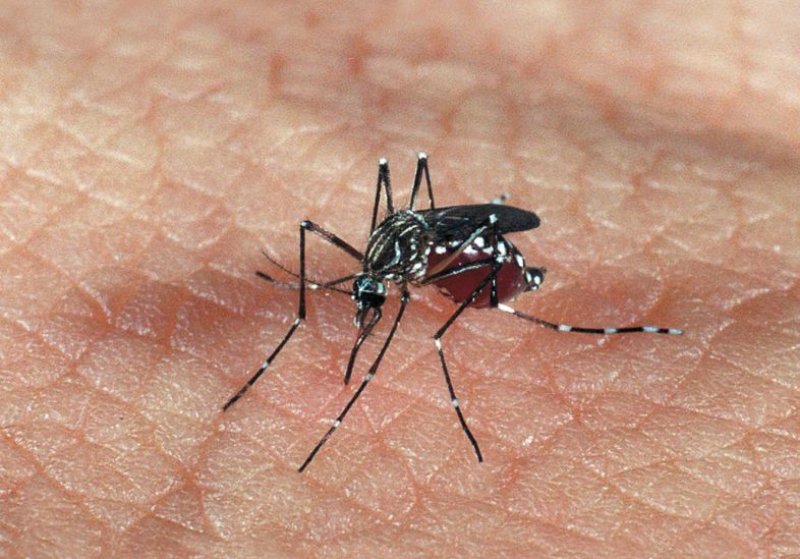
mosquito zika

The GLP aggregated and excerpted this blog/article to reflect the diversity of news, opinion and analysis.

Gene drives have worked in the lab, but have many ethical, technical and other hurdles to overcome before they could be released in the wild. For instance, many scientists, environmentalists and policy makers are concerned that gene drives could wipe out entire species or have unintended consequences for ecosystems.

[In fact,] “resistance” to gene drives will arise “almost inevitably,” [geneticist] Philipp Messer [said].

[However,] Messer thinks letting [gene drives] break could prevent runaway spread and unintended harm.

Even if gene drive‒killing mutations arise, they typically would only propagate at the normal rate[.] The slow spread means it will take many generations before resistance mutations become frequent enough in the population to stop a gene drive’s roll, Messer…calculated.

Researchers may be able to devise strategies to orchestrate spread of a gene drive while keeping it in check by manipulating conditions that favor resistance mutations, Messer said. With such a system, disease-carrying mosquitoes or other pests could be reduced to safe levels in a local area without destroying the species entirely.

Read full, original post: Seeing the upside in gene drives’ fatal flaw

{{ reviewsTotal }}{{ options.labels.singularReviewCountLabel }}
{{ reviewsTotal }}{{ options.labels.pluralReviewCountLabel }}
{{ options.labels.newReviewButton }}
{{ userData.canReview.message }}

Related Articles

Infographic: Global regulatory and health research agencies on whether glyphosate causes cancer

Infographic: Global regulatory and health research agencies on whether glyphosate causes cancer

Does glyphosate—the world's most heavily-used herbicide—pose serious harm to humans? Is it carcinogenic? Those issues are of both legal and ...

Most Popular

Screenshot-2026-03-13-at-12.14.04-PM
The FDA wants to make many popular prescription drugs OTC—a great idea. Here’s why it’s unlikely to happen
Screenshot 2026-05-06 at 2.56
Singularity crisis ahead? Can super babies save us from rogue AI geniuses?
Screenshot-2026-05-04-at-12.54.32-PM
How Utah became the country’s supplement capital  — and a haven for unregulated, ineffective and fake products
Screenshot-2026-04-20-at-2.26.27-PM
Viewpoint — Food-fear world: The latest activist scientists campaign: Cancer-causing additives
Screenshot-PM-24
Viewpoint: The herbicide glyphosate isn’t perfect. Banning it would be far worse.
images
The never-ending GMO debate: Pros and cons
Screenshot-2026-05-01-at-11.56.24-AM
‘Science moves forward when people are willing to think differently’: Memories of DNA maverick Craig Venter
Screenshot-2026-04-03-at-11.15.51-AM
Paraben panic: How a flawed study, media hype, and chemophobia convinced the public of the danger of one of the safest classes of preservatives
Screenshot-2026-04-30-at-2.19.37-PM
5 myths about summer dehydration that could damage your health — or even kill you
79d03212-2508-45d0-b427-8e9743ff6432
Viewpoint: The Casey Means hustle—Wellness woo opportunism dressed up as medical wisdom
ChatGPT-Image-May-1-2026-02_20_13-PM
How RFK, Jr.’s false vaccine claims are holding up $600 million to fight diseases in poor countries
glp menu logo outlined

Get news on human & agricultural genetics and biotechnology delivered to your inbox.