New gene-edited tomatoes stay firm longer, extending shelf life

The GLP aggregated and excerpted this blog/article to reflect the diversity of news, opinion and analysis.

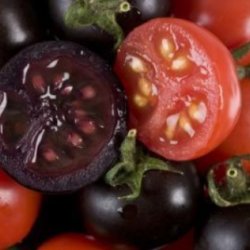
In an attempt to produce plump, tasty tomatoes with longer shelf lives, scientists have successfully tweaked a gene that slows how quickly the fruits soften without affecting their size or color.

The genetically modified tomatoes, described in a paper published [July 25] in the journal Nature Biotechnology, didn’t show telltale signs of softening, like pruned skin, 14 days after harvesting, compared with wrinkled ones from normal plants. To engineer them, the researchers turned to two DNA-altering techniques, including CRISPR-Cas 9, an editing tool used to snip out and replace unwanted genes.

The number of tomatoes growing on genetically modified and normal plants was roughly the same. Plus, the modified plants and normal controls had similar amounts of molecules known to affect taste, color, and smell, according to the study.

. . . .
“The current work is potentially important because it only slows down one aspect of ripening—softening—that is critical to shipping and shelf life,” said Harry Klee, a horticultural-sciences professor at the University of Florida in Gainesville who wasn’t involved with the research.

Soft tomatoes are easily crushed, which impacts their salability. . . .

Wall Street Journal subscribers can read full, original article here: GMO Tomatoes May Stay Firm Longer

Related Articles

Infographic: Global regulatory and health research agencies on whether glyphosate causes cancer

Infographic: Global regulatory and health research agencies on whether glyphosate causes cancer

Does glyphosate—the world's most heavily-used herbicide—pose serious harm to humans? Is it carcinogenic? Those issues are of both legal and ...

Most Popular

ChatGPT-Image-Mar-10-2026-01_39_01-PM
Viewpoint—“Miracle molecule” debunked: Why acemannan supplements don’t work
Screenshot-2026-09-17-at-1.07.08-PM
'We are dangerously addicted to antidepressants': Should we heed RFK Jr.’s sobering warning?
Screenshot-2026-09-03-at-10.51.20-AM
Viewpoint: Why do online health lies outlive the evidence that debunks them? Read "Everyone Else Is Lying to You"
ChatGPT-Image-Sep-22-2026-10_32_46-AM
There has been a slew of recent reports of food recalls and foodborne outbreaks. Do we face an escalating problem?
ChatGPT-Image-Sep-2-2026-02_03_32-PM
How much of a problem is AI’s water use?
ChatGPT-Image-Sep-23-2026-01_52_03-PM
Viewpoint: 4 very real AI doomsday scenarios
ChatGPT-Image-Aug-26-2026-12_46_16-PM
Viewpoint: The fake controversy over whether combining childhood vaccines is dangerous— a debate science resolved 25 years ago
Screenshot-2026-09-23-at-11.55.01-AM
How can we know if social media bans actually help teens?
Screenshot-2026-09-22-at-11.40.28-AM
After Idaho criminalized abortion providers in 2022, one-third of obstetricians fled. Health care advocates are making rural health the case for repealing the ban
Screenshot-2026-09-23-at-3.15.09-PM
Anti-GMO activists in Pakistan rev up their campaign of dire warnings
Screenshot-2026-09-17-at-12.00.30-PM
Investigative group ProPublica finds links between ectopic pregnancy deaths and abortion bans
ChatGPT-Image-Sep-17-2026-12_28_43-PM
Vitamin D, omega-3 fish oil and glucosamine supplements could cause brain damage 
glp menu logo outlined

Get news on human & agricultural genetics and biotechnology delivered to your inbox.