Genetic clues to understanding inherited deafness

Screen Shot at PM

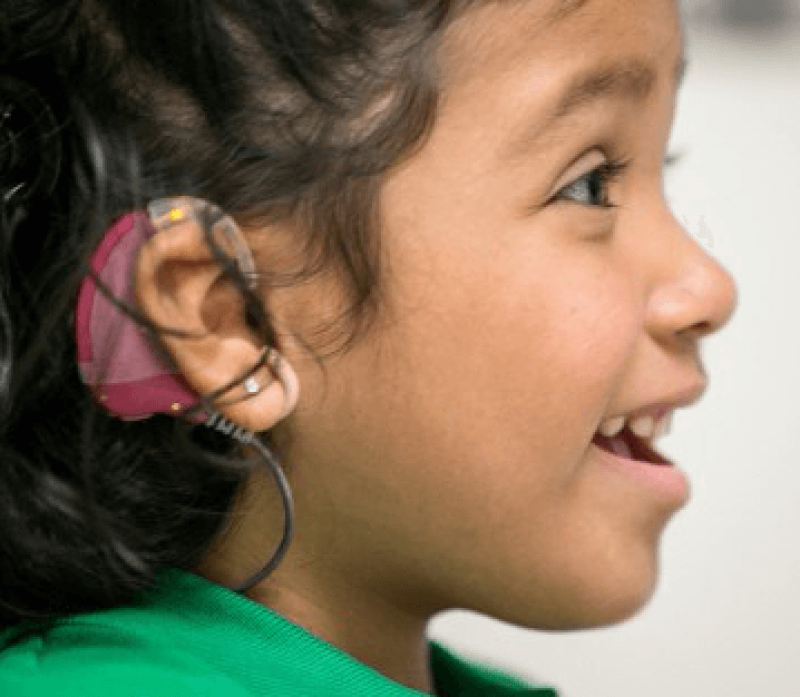
A causative gene for a highly common type of hearing loss—sensorineural hearing loss, or SNHL—has been identified by a group of Japanese researchers, who report they have successfully replicated the condition using a transgenic mouse. This discovery could potentially be used to develop new treatments for hearing loss.

The gene identified in this study is related to actin…[which] plays an important function in the formation and maintenance of auditory hair and inner ear hair cells.

One infant in every 1,000 is diagnosed with sensorineural hearing loss, making it an extremely common hereditary disease. It is also estimated that 25-40% of people over age 65 suffer from acquired sensorineural hearing loss

Development of a cure or treatments for sensorineural hearing loss have been slow.primarily because the inner ear is a delicate and complex sensory organ that is difficult to research…Currently there is no cure for sensorineural hearing loss, and using a hearing aid is still the most effective treatment.

The GLP aggregated and excerpted this blog/article to reflect the diversity of news, opinion, and analysis. Read full, original post: Scientists Identify Gene That Causes Sensorineural Hearing Loss

{{ reviewsTotal }}{{ options.labels.singularReviewCountLabel }}
{{ reviewsTotal }}{{ options.labels.pluralReviewCountLabel }}
{{ options.labels.newReviewButton }}
{{ userData.canReview.message }}

Related Articles

Infographic: Global regulatory and health research agencies on whether glyphosate causes cancer

Infographic: Global regulatory and health research agencies on whether glyphosate causes cancer

Does glyphosate—the world's most heavily-used herbicide—pose serious harm to humans? Is it carcinogenic? Those issues are of both legal and ...

Most Popular

Screenshot-2026-05-01-at-11.56.24-AM
‘Science moves forward when people are willing to think differently’: Memories of DNA maverick Craig Venter
Screenshot-2026-04-03-at-11.15.51-AM
Paraben panic: How a flawed study, media hype, and chemophobia convinced the public of the danger of one of the safest classes of preservatives
79d03212-2508-45d0-b427-8e9743ff6432
Viewpoint: The Casey Means hustle—Wellness woo opportunism dressed up as medical wisdom
ChatGPT-Image-Apr-30-2026-12_21_05-PM-2
The tech billionaires behind the immortality movement
Screenshot-PM-24
Viewpoint: The herbicide glyphosate isn’t perfect. Banning it would be far worse.
ChatGPT-Image-Mar-27-2026-11_27_05-AM
The myths of “process”: What science says about the “dangers’ of synthetic products and ultra-processed foods
ChatGPT-Image-Mar-10-2026-01_39_01-PM
Viewpoint—“Miracle molecule” debunked: Why acemannan supplements don’t work
Drinking lots of water can help reduce the effects of aging
Nanoplastics in drinking water: MAHA activists forge science-based bipartisan coalition 
ChatGPT-Image-May-1-2026-02_20_13-PM
How RFK, Jr.’s false vaccine claims are holding up $600 million to fight diseases in poor countries
ChatGPT-Image-Mar-3-2026-01_17_14-PM
MAHA wellness influencers deride proven anxiety medications, tout lifestyle fixes
Screenshot-2026-04-20-at-2.26.27-PM
Viewpoint — Food-fear world: The latest activist scientists campaign: Cancer-causing additives
glp menu logo outlined

Get news on human & agricultural genetics and biotechnology delivered to your inbox.