‘Precautionary’ delays in deploying GMO technology could cost $1 trillion

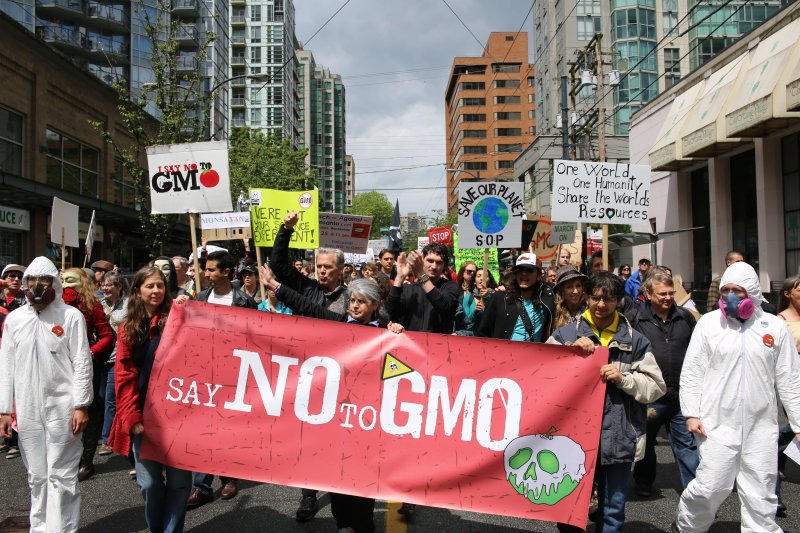
March Against Monsanto Vancouver

This article introduces a simple framework to assess the economics of delaying the introduction of GM technologies due to concerns about their unintended effects (externalities). We found that the delay is not justified if the expected discount benefits of adoption of the technologies are at least greater than the expected damages. We applied our framework to analyze the consequences of delaying the introduction of Golden Rice, GM corn in much of the world, and GM wheat and rice globally. In the case of Golden Rice, we found that delay of more than 10 years of introduction of the technology may result in several millions of eyesights lost. The damage of the technology must be greater than between $2.7 and $29 billion of discounted net benefits expected to be gained from the technology under various assumptions.

The result suggests that introduction of GM traits in corn (wherever it is not allowed), wheat, and rice after full adoption can improve annual social welfare by between $50 and $97 billion. The discounted net present value of the aggregate welfare gain from adoption of the GM technologies over a 30-year lifespan is between $300 and $554 billion….

.   .   .

Given the estimated benefits of adoption of Golden Rice and other various traits in corn, wheat, and rice, the potential cost of these technologies must be immense (one of our estimates suggests that they must be above $1 trillion) to justify delaying the introduction of these technologies.

The GLP aggregated and excerpted this blog/article to reflect the diversity of news, opinion and analysis. Read full, original post: The Loss from Underutilizing GM Technologies

{{ reviewsTotal }}{{ options.labels.singularReviewCountLabel }}
{{ reviewsTotal }}{{ options.labels.pluralReviewCountLabel }}
{{ options.labels.noReviewsLabel }}
{{ options.labels.newReviewButton }}
{{ userData.canReview.message }}

Related Articles

Infographic: Global regulatory and health research agencies on whether glyphosate causes cancer

Infographic: Global regulatory and health research agencies on whether glyphosate causes cancer

Does glyphosate—the world's most heavily-used herbicide—pose serious harm to humans? Is it carcinogenic? Those issues are of both legal and ...

Most Popular

ChatGPT-Image-Mar-10-2026-01_39_01-PM
Viewpoint—“Miracle molecule” debunked: Why acemannan supplements don’t work
Screenshot 2026-07-11 094410
Growing animal muscle and fat cells inside rice grains and calling it beef: One of numerous genetically engineered products shaking up our ecosystem
Screenshot 2025-09-17 at 12.41
Misinformation alert: No, glyphosate use in Canadian forests is not spurring more wildfires
ChatGPT-Image-Jun-25-2026-12_23_17-PM
No, Bill Gates did not secretly engineer ticks to promote veganism
Screenshot 2026-07-16 at 8.49
Pete Hegseth’s bizarre Viagra commercial as Trump administration endorses ‘hormone replacement therapy’
file-f-d-d-
Facts & Fallacies Podcast: Europe's AC debacle underscores fatal flaw in green activism
Screenshot-2026-07-16-at-11.32.12-AM
Viewpoint: Trump appoints climate change hoax promoter to head influential government policy project
ChatGPT-Image-Jul-9-2026-02_39_22-PM
Viewpoint: Polyphenols or NAD+ supplements to combat aging: No, Gwenyth Paltrow and followers, don’t waste your money.

Sorry. No data so far.

glp menu logo outlined

Get news on human & agricultural genetics and biotechnology delivered to your inbox.