Searching for DNA in sewage may help public health officials monitor emerging diseases

sn microbiomeH

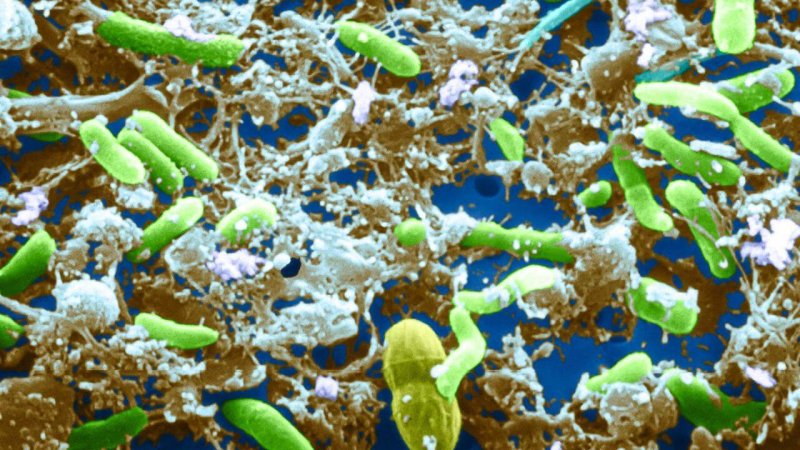
With every toilet flush, valuable information encrypted in DNA is lost. Wastewater may hold a wealth of insight for public health officials, and an interdisciplinary team of Stanford researchers is keen on tapping into it.

Currently, disease response is reactive; doctors and public health specialists can’t do much until patients report their symptoms. Even then, new and elusive pathogens escape early detection. Looking at the bugs in our waste, however, could speed up disease tracking. Stanford professor of civil and environmental engineering Craig Criddle – and a team that includes engineers, disease experts and statisticians – is working to fish out and track the DNA of pathogens in wastewater.

The researchers will look for pathogen DNA from a menu of bacteria and viruses, and will also keep an eye out for new and unexpected critters. They hope their project will reveal the broad diversity of microbes in our waste. The research could also validate their tools as way to rapidly track the disease-causing bugs.

Criddle hopes the method developed at Stanford will be adopted by utilities and public health agencies….

The GLP aggregated and excerpted this blog/article to reflect the diversity of news, opinion, and analysis. Read full, original post: DNA in wastewater could provide clues to help community health, Stanford researchers say


Related Articles

Infographic: Global regulatory and health research agencies on whether glyphosate causes cancer

Infographic: Global regulatory and health research agencies on whether glyphosate causes cancer

Does glyphosate—the world's most heavily-used herbicide—pose serious harm to humans? Is it carcinogenic? Those issues are of both legal and ...

Most Popular

Picture1
Hiroshima at 81: America’s new nuclear bomb, a buried Iranian target, and a question no one wants to ask
ChatGPT-Image-Jul-31-2026-07_35_35-AM
Wikipedia has assembled an informative list of fake news websites from across the ideological spectrum
ChatGPT Image Jul 29, 2026, 09_08_15 AM 2
The retreat of environmental extremism: Why activist NGOs are losing favor
Screenshot-2026-08-03-at-2.15.16-PM
Viewpoint: Trump’s relaxed controls on supplying China with microchips could undermine U.S. AI dominance
png livestock cow cattle a
Consumer skepticism about gene-edited milk is neither fixed nor particularly high—and falls even more if it’s priced lower
Screenshot-2026-08-03-at-2.25.49-PM
As measles vaccination rates collapse, scientists push for treatments long considered unnecessary
ChatGPT-Image-Mar-10-2026-01_39_01-PM
Viewpoint—“Miracle molecule” debunked: Why acemannan supplements don’t work
Screenshot-2026-07-31-at-10.52.03-AM
Love sweets and fatty foods? You can blame your genes, but there are ways to quell the obsessions
Screenshot-2026-07-17-at-1.34.59-PM
Poll: Vaccine hesitancy soars when patients distrust health providers and turn to social media
ChatGPT Image Jul 29, 2026, 10_17_59 AM
Viewpoint: What does it mean when critics of conventional agriculture say many fruits and vegetables are “linked” to pesticide poisoning?
Screenshot-2026-08-03-at-2.06.39-PM
Viewpoint: Green energy supporters ‘fight back’ against conservative foundations backing  fossil fuel industry
ChatGPT Image Jul 31, 2026, 08_05_37 AM
With trust in RFK, Jr.'s CDC vaccine advice collapsing, physicians scramble to fill the information gap
ChatGPT Image Jul 29, 2026, 06_26_01 PM 2
Facts & Fallacies podcast: Organic food myths make a comeback on Instagram, with Dr. Kevin Folta
glp menu logo outlined

Get news on human & agricultural genetics and biotechnology delivered to your inbox.